Bangladesh
Home All Destinations Bangladesh

Bangladesh is a fascinating South Asian destination shaped by immense rivers, fertile landscapes, historic cities and a deeply rooted cultural identity. From the energy of Dhaka to quiet tea gardens, mangrove forests and the Bay of Bengal coastline, the country offers experiences that feel immersive, colourful and distinctively local.
Beyond its major cities, Bangladesh reveals ancient archaeological sites, traditional villages and waterways that remain central to everyday life. Travellers willing to explore beyond more established Asian tourism routes can discover a destination defined by hospitality, heritage and a strong connection between people and landscape.
Bangladesh offers accommodation across vibrant cities, coastal destinations, tea-growing regions and gateways to important natural landscapes. The character of each stay can vary considerably, from international urban hotels in Dhaka to quieter resorts and boutique properties surrounded by greenery.
The country is particularly rewarding when accommodation is used to connect contrasting environments, allowing travellers to experience cities, countryside, coast and river landscapes within one journey.
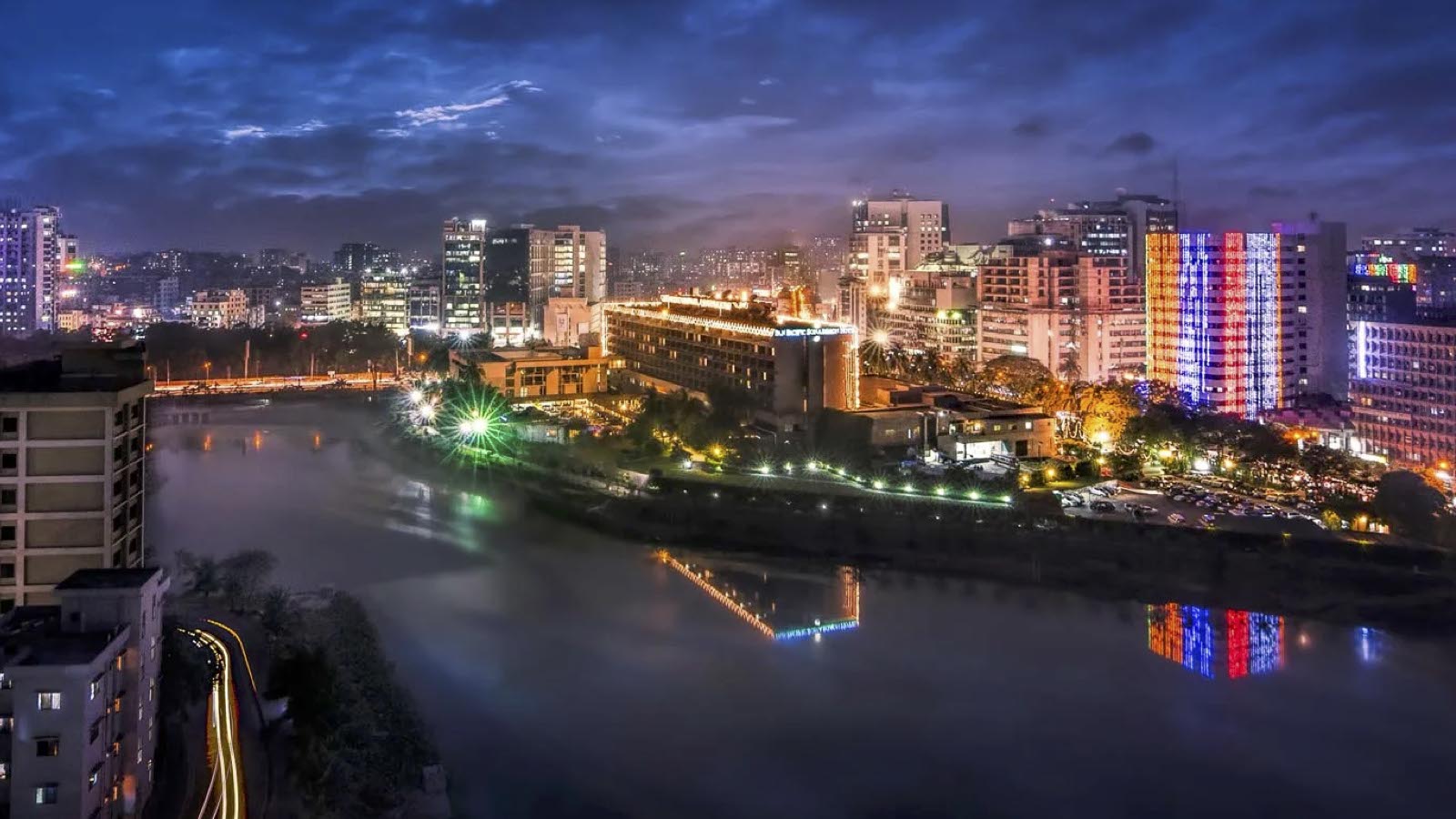
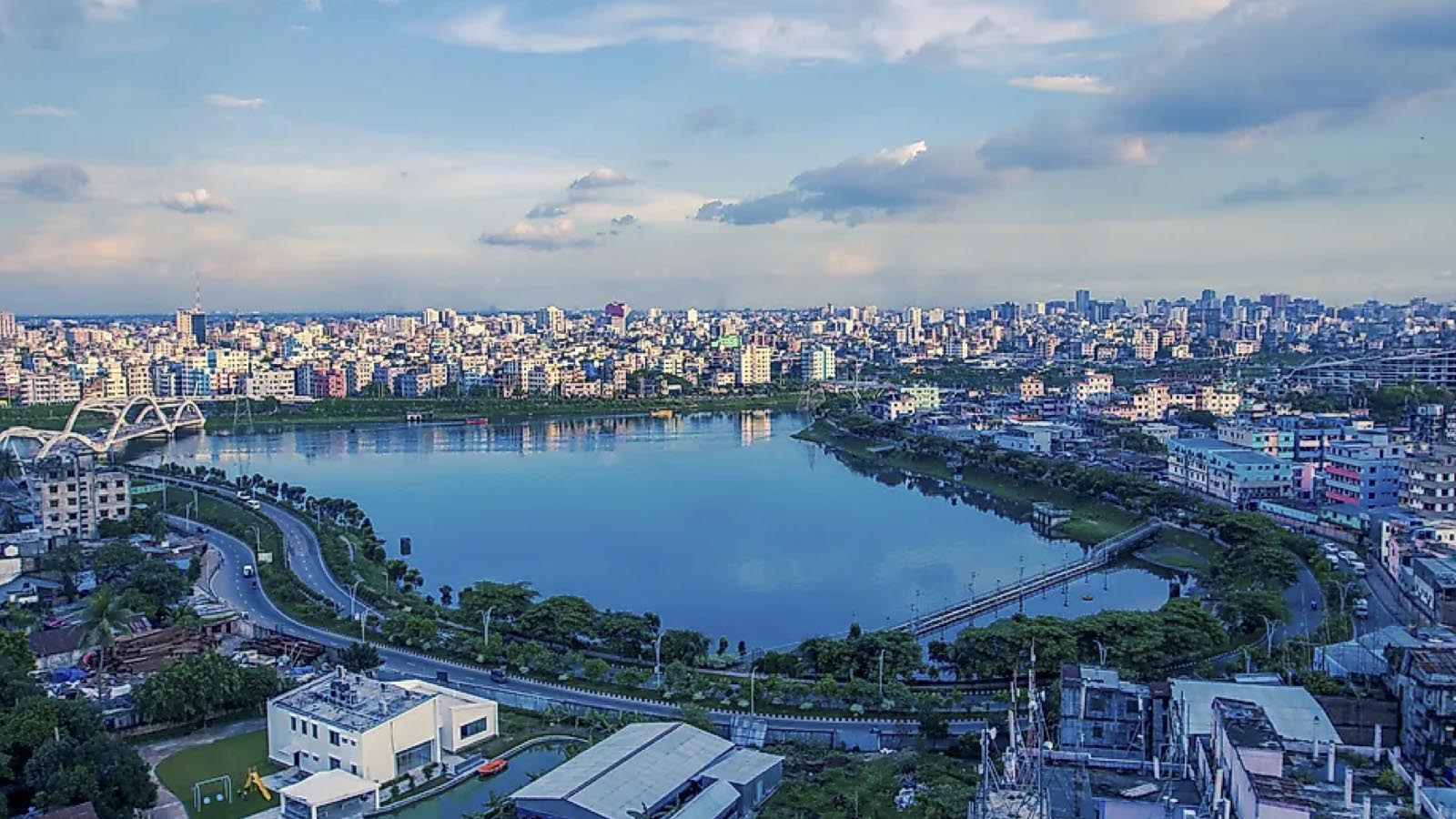
Dhaka is Bangladesh’s principal gateway and the natural starting point for many journeys through the country. The capital combines historic neighbourhoods, busy commercial districts, museums, markets and contemporary urban life within an intensely energetic environment.
Accommodation ranges from internationally recognised luxury and business hotels to boutique and locally operated properties, with the widest overall choice of higher-end hospitality in Bangladesh.
Cox’s Bazar is the country’s best-known coastal destination, offering an extensive sandy shoreline along the Bay of Bengal and a more leisure-focused atmosphere than Bangladesh’s major cities.
Accommodation includes larger beachfront hotels, resort-style properties and smaller coastal stays, making the area particularly suitable for travellers wishing to combine exploration with periods of relaxation.
Srimangal provides one of Bangladesh’s most peaceful and visually distinctive environments, surrounded by tea estates, forest landscapes and gently rolling countryside. The slower atmosphere contrasts strongly with the intensity of Dhaka.
Accommodation generally consists of resorts, nature-oriented properties and smaller hotels designed around access to the surrounding tea-growing landscapes and outdoor experiences.
Sylhet is an important regional centre in northeastern Bangladesh and a useful base for exploring the wider landscapes of the region. The area is characterised by greenery, wetlands, tea cultivation and strong cultural identity.
Accommodation includes established city hotels and resort-style properties, providing a practical base for travellers combining urban comfort with excursions into surrounding countryside.
Khulna serves as one of the principal gateways for journeys towards the Bangladesh section of the Sundarbans. The city itself is primarily a practical base, while the surrounding region provides access to river systems, mangrove landscapes and historic Bagerhat.
Accommodation includes city hotels and simpler regional properties, while multi-day Sundarbans experiences may incorporate overnight boat accommodation or specialist nature-focused arrangements.
Northern and western Bangladesh contain significant archaeological and historic sites, including Paharpur and other locations connected with the country’s Buddhist, Hindu and Islamic heritage.
Accommodation in these areas is generally more limited than in Dhaka or Cox’s Bazar, making carefully planned touring arrangements particularly valuable for travellers exploring beyond the principal tourism centres.
Bangladesh’s strongest concentration of luxury accommodation is found in Dhaka, where international hotels provide contemporary facilities, restaurants, business services and refined hospitality.
Higher-end accommodation elsewhere tends to be more destination-focused, particularly through coastal resorts and nature-oriented properties rather than large concentrations of international luxury brands.
Some of Bangladesh’s most memorable accommodation experiences are connected closely with landscapes such as tea estates, wetlands and mangrove environments. These stays often emphasise location and access to nature rather than extensive resort infrastructure.
They are particularly suitable for travellers seeking slower-paced journeys and more direct interaction with the country’s rural and natural character.
Bangladesh is best understood through itineraries that combine several contrasting regions. Dhaka can be paired with Srimangal or Sylhet, while Cox’s Bazar provides a coastal dimension and Khulna opens access to the Sundarbans and Bagerhat.
This structure allows accommodation choices to create a natural rhythm between urban exploration, cultural discovery and quieter experiences surrounded by nature.
The best time to visit Bangladesh is generally between November and February, when conditions are cooler, drier and more comfortable for sightseeing and outdoor exploration. This period is particularly well suited to visiting Dhaka, tea regions, archaeological sites and the Sundarbans.
Bangladesh has a tropical monsoon climate with warm temperatures, high humidity and significant seasonal rainfall. The pre-monsoon months become increasingly hot, while the main monsoon brings heavy rain that can affect road and river travel in some regions.
Bangladesh has a rich calendar of religious and cultural celebrations, including Eid festivals and Pohela Boishakh, the Bengali New Year. Major holidays can influence transport availability and opening hours while also providing opportunities to experience important aspects of local culture.
The local currency is the Bangladeshi Taka (BDT). Cards and ATMs are widely available in larger cities and established tourism areas, although carrying some local cash is useful when travelling through smaller towns and rural regions.
Bangladeshi cuisine is characterised by rice, fish, meat, lentils, vegetables and aromatic spices, with significant regional variation. Dhaka offers the broadest restaurant choice, while seafood is especially prominent in coastal areas and local dishes form an important part of travelling throughout the country.
Bangladesh rewards travellers who enjoy destinations where everyday life, history and landscape remain closely connected. Cities, rivers, tea estates, wetlands and coastal environments create a journey that can feel very different from more established South Asian tourism routes.
The country is particularly suited to immersive exploration, where cultural experiences and encounters with local communities become as important as individual landmarks.
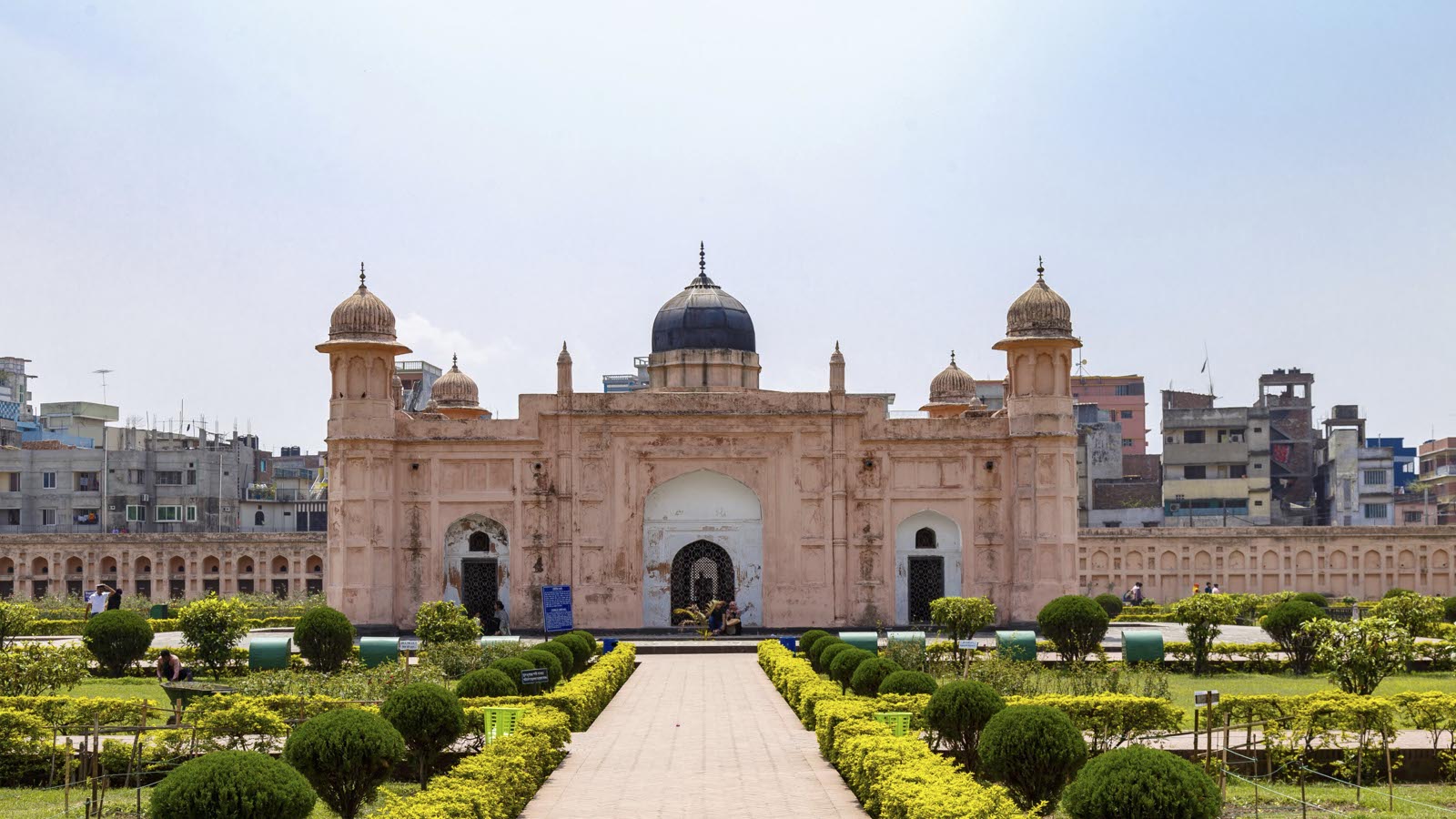
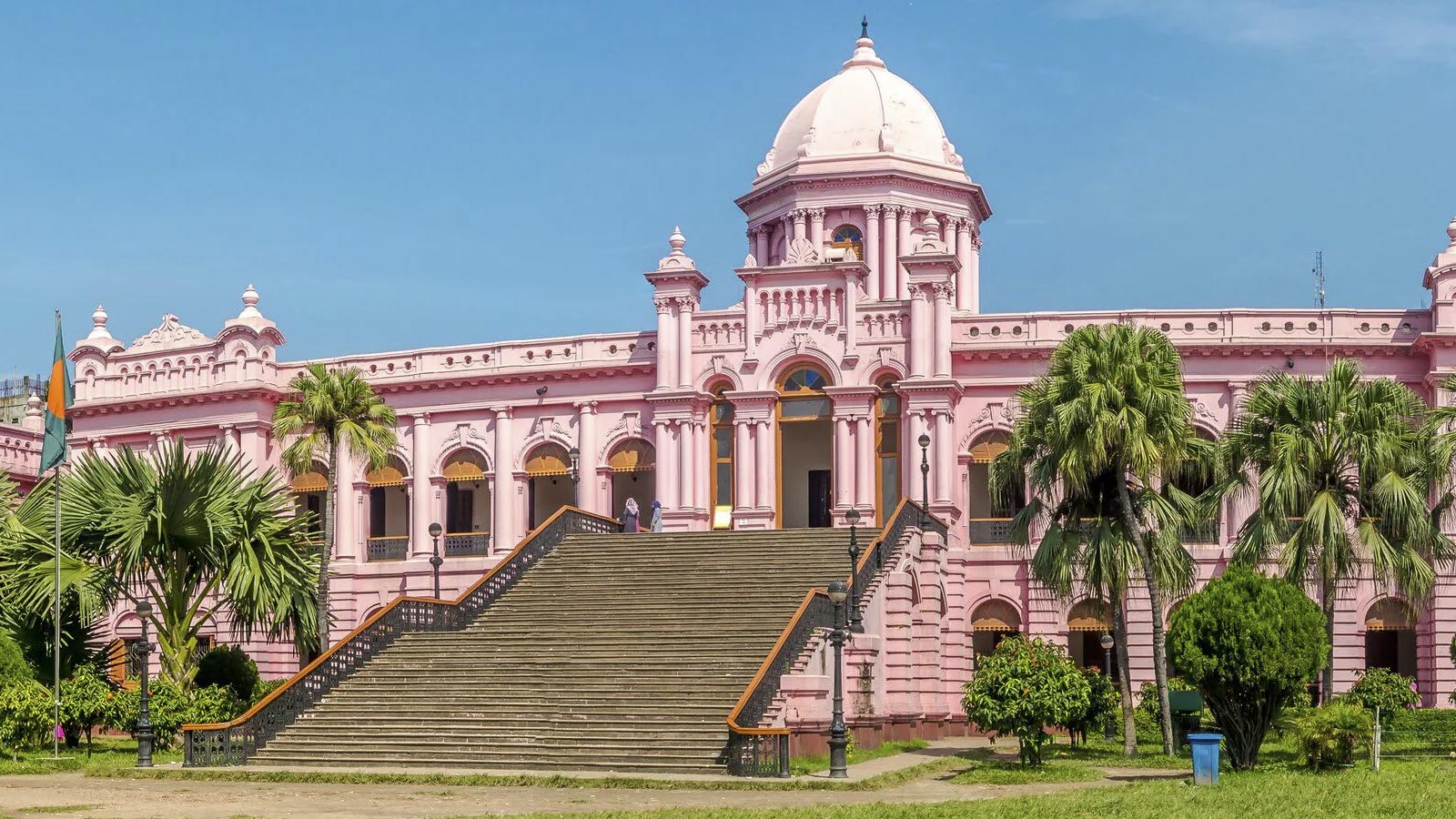
Dhaka provides an intense introduction to Bangladesh through historic architecture, markets, waterways and densely layered urban neighbourhoods. Old Dhaka reveals Mughal and colonial influences alongside mosques, merchant houses and traditional street life.
Exploring the capital offers valuable insight into the country’s history while also revealing the energy and complexity of contemporary Bangladesh.
The Sundarbans form one of the world’s most remarkable mangrove environments, extending across the vast delta where rivers meet the Bay of Bengal. The Bangladesh section can be explored through river journeys that reveal forests, waterways and important wildlife habitats.
The experience is defined as much by the atmosphere of travelling through remote mangrove channels as by individual wildlife sightings, creating one of the country’s most distinctive nature journeys.
Srimangal is surrounded by rolling tea estates and tropical vegetation, providing one of Bangladesh’s most peaceful and photogenic landscapes. Walks and local excursions reveal the agricultural traditions that have shaped the region over generations.
The area provides an appealing contrast to Bangladesh’s larger cities and is especially rewarding for travellers interested in nature, photography and slower-paced exploration.
Cox’s Bazar is Bangladesh’s principal beach destination, known for its extensive natural sandy coastline and lively local holiday atmosphere. The surrounding coast combines beaches, fishing communities and views across the Bay of Bengal.
The region allows travellers to introduce a coastal and leisure element into broader journeys through Bangladesh while experiencing a destination strongly connected to domestic tourism culture.
Rivers define the geography and identity of Bangladesh, influencing transport, agriculture, commerce and everyday life throughout the country. Boat journeys provide a unique perspective on rural landscapes, villages and communities established along the water.
River travel can become one of the most memorable aspects of visiting Bangladesh because it reveals the close relationship between the country’s people and its immense delta environment.
Bagerhat contains one of Bangladesh’s most important collections of historic Islamic architecture. Mosques and monuments scattered across the landscape reflect the development of an important medieval city in southwestern Bangladesh.
The region can be incorporated naturally into journeys towards Khulna and the Sundarbans, adding a significant cultural dimension to nature-focused itineraries.
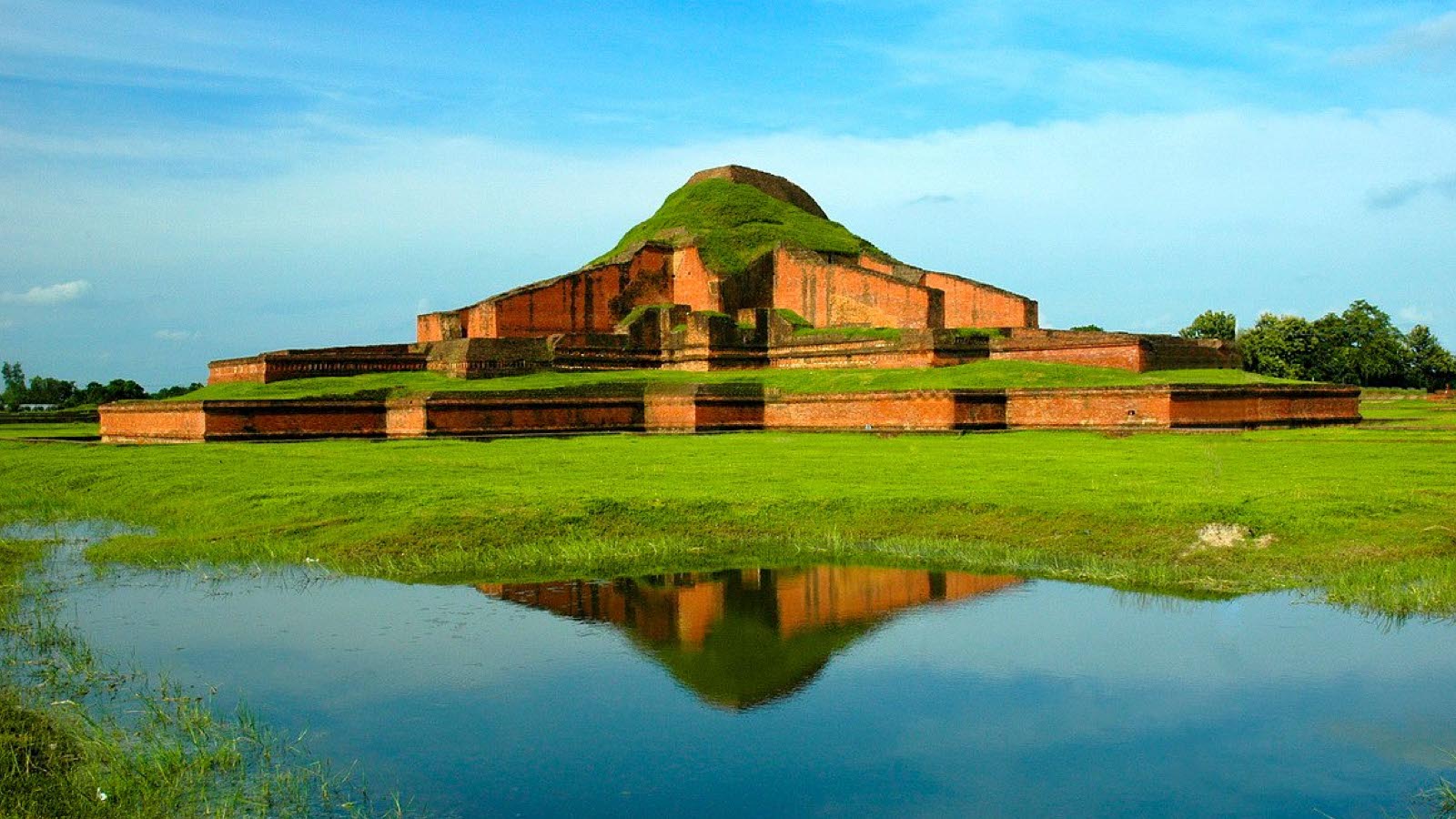
Paharpur contains the remains of an important Buddhist monastic complex and provides insight into the deep historical connections between Bengal and the wider Buddhist world of South Asia.
The archaeological landscape gives travellers an opportunity to experience a quieter and less frequently visited aspect of Bangladesh beyond its major cities and natural attractions.
Food is an important part of travelling through Bangladesh, with regional dishes shaped by rivers, agriculture and long-established culinary traditions. Markets, restaurants and local dining environments reveal flavours ranging from freshwater fish and curries to rice dishes and sweets.
Everyday encounters, street activity and traditional hospitality frequently become central parts of the travel experience and provide a deeper understanding of the country’s cultural identity.
Bangladesh is particularly rewarding when urban and cultural exploration is combined with quieter natural environments. Dhaka, tea country, historic sites, river landscapes and the Sundarbans each reveal a different side of the destination.
This variety creates journeys that feel exploratory, culturally rich and strongly connected to the landscapes and communities of Bengal.
Bangladesh offers a distinctly immersive style of travel shaped by cultural encounters, landscapes and the rhythms of everyday life. The destination is less focused on conventional resort tourism and more rewarding for travellers interested in discovering places through history, nature and local atmosphere.
Journeys can combine busy cities with tea landscapes, river systems, archaeological sites and mangrove forests, creating a varied experience that reveals multiple aspects of Bangladeshi identity.
Culture is central to travelling through Bangladesh, particularly in Dhaka and regional towns where markets, religious sites, traditional neighbourhoods and everyday street life create a highly immersive environment.
Experiential journeys often focus on interaction and observation rather than conventional sightseeing alone, allowing travellers to develop a stronger understanding of local traditions and contemporary society.
Bangladesh contains important Islamic, Buddhist, Hindu and colonial heritage that reflects centuries of cultural exchange across Bengal. Bagerhat and Paharpur provide particularly significant historic landscapes alongside the architectural heritage of Dhaka.
These experiences appeal to travellers interested in history and to those seeking greater depth within a broader journey through South Asia.
The Sundarbans provide Bangladesh’s most internationally recognised nature experience, combining mangrove forest, wildlife habitats and an extraordinary network of rivers and tidal channels.
Nature travel can also incorporate wetlands, forest environments and tea-growing landscapes, revealing a greener and quieter side of the country away from its major urban centres.
Bangladesh is one of the world’s great riverine countries, and waterways remain fundamental to both landscape and everyday life. Travelling by boat creates a slower perspective on rural environments and communities that can be difficult to experience from roads alone.
This style of travel encourages observation, photography and a deeper appreciation of how Bangladesh’s immense delta has shaped its culture and economy.
Cox’s Bazar provides Bangladesh’s principal coastal travel experience, offering long sandy beaches and a lively atmosphere on the Bay of Bengal. The region introduces a recreational dimension to journeys otherwise focused on culture and exploration.
Coastal stays are particularly useful for travellers wishing to balance more intensive sightseeing with periods of relaxation.
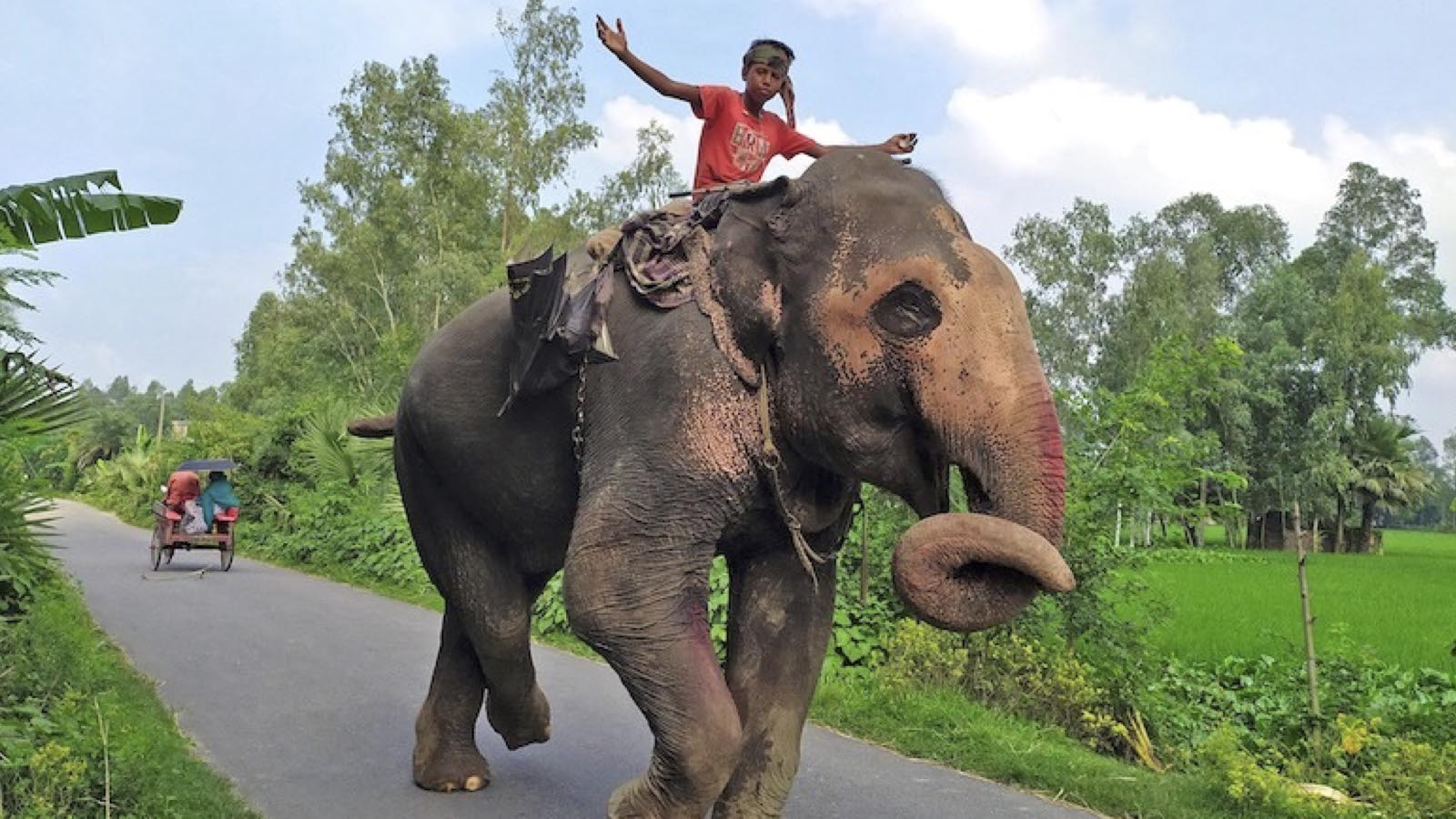
Bangladesh offers exceptional opportunities for photography through its colourful markets, river traffic, tea gardens, traditional boats, historic architecture and highly active street environments.
Visual travel here is especially rewarding because memorable images often emerge from everyday life and human interaction rather than famous landmarks alone.
Bangladesh remains relatively little visited by international leisure travellers compared with many neighbouring Asian destinations. This gives journeys a greater sense of discovery and allows travellers to experience places where tourism is not always the dominant influence.
The country appeals particularly to experienced travellers interested in authenticity, cultural immersion and destinations that reward curiosity and flexible exploration.
Bangladesh is most rewarding when different regions are combined within one itinerary. Dhaka, Srimangal, the Sundarbans, Cox’s Bazar and major heritage sites can create strong contrasts between city, countryside, coast and river landscapes.
This style of journey reveals the extraordinary diversity contained within a relatively compact country and creates a travel experience that feels layered, exploratory and culturally meaningful.
The most comfortable period for travelling through Bangladesh is generally between November and February, when temperatures are cooler, humidity is lower and rainfall is more limited.
Conditions become hotter before the monsoon, while the rainy season can bring significant rainfall and occasional disruption to travel, particularly in low-lying and riverine areas.
Visa requirements for Bangladesh depend on nationality, passport type and the purpose and duration of the journey. Some travellers must obtain a visa before departure, while certain nationalities may qualify for alternative entry arrangements.
Because requirements can change, travellers should always confirm the latest rules with an official Bangladeshi diplomatic or immigration authority before travelling.
Many established tourism destinations in Bangladesh can be visited with appropriate planning, although local conditions and official travel advice should always be reviewed before departure and during the journey.
Travellers should follow normal precautions regarding personal belongings, transport and busy public areas, avoid demonstrations and political gatherings, and pay particular attention to any official restrictions affecting specific regions.
The official currency is the Bangladeshi Taka, abbreviated as BDT.
Cards and ATMs are widely available in Dhaka and other major urban centres, although cash remains useful for smaller purchases and when travelling through rural areas or less developed tourism regions.
Bangladesh has domestic flights, rail services, road transport and an extensive network of waterways, although journey times can vary considerably because of traffic, weather and local conditions.
Private transfers and organised transport are particularly useful for international leisure travellers, while domestic flights can significantly reduce travel times between Dhaka and more distant regions.
A stay of around seven to ten days allows travellers to combine Dhaka with one or two contrasting regions such as Srimangal, Cox’s Bazar or the Sundarbans.
Ten to fourteen days or longer is preferable for a more comprehensive journey incorporating several regions, archaeological sites and slower travel through rural or river landscapes.
Bangladesh is particularly rewarding for culturally curious and experienced travellers who enjoy history, photography, nature and destinations where everyday local life remains a central part of the journey.
It is especially suited to visitors seeking immersive experiences beyond conventional tourism routes rather than travellers whose priority is primarily resort-based leisure.
Explore a visual glimpse of Bangladesh through images that capture its cities, waterways, tea landscapes, coast and cultural heritage.
Discover the scenes that define this colourful and distinctive South Asian destination.