France
Home All Destinations France

France is one of Europe’s most diverse and enduring travel destinations, combining iconic cities, historic villages, celebrated cuisine and landscapes that range from Mediterranean coastline to vineyards and Alpine peaks. Each region has its own cultural identity, architecture and traditions, allowing travellers to experience remarkable variety within a single country.
Beyond Paris, France reveals château-filled valleys, picturesque countryside, glamorous seaside resorts, wine regions and mountain environments that support very different styles of travel. Whether focused on culture, gastronomy, romance, luxury or outdoor exploration, the country offers journeys defined by heritage, atmosphere and an exceptional sense of place.
France offers an exceptional variety of accommodation shaped by regional character, history and landscape. Travellers can choose between grand city hotels, intimate boutique properties, countryside estates, vineyard retreats, coastal resorts and mountain lodges, often making the accommodation itself an important part of the journey.
The country is particularly well suited to multi-region travel, allowing city experiences to be combined naturally with rural landscapes, wine regions, Mediterranean coastline or mountain environments.
Paris offers the greatest concentration of luxury and boutique accommodation in France, with neighbourhoods providing noticeably different atmospheres. Historic districts, grand boulevards and quieter residential quarters allow travellers to select a location according to culture, shopping, dining or romantic ambience.
Accommodation ranges from internationally renowned palace hotels and elegant historic properties to contemporary boutique hotels and sophisticated smaller stays.
Provence combines historic towns, hilltop villages, vineyards, olive groves and Mediterranean landscapes within one of France’s most atmospheric regions. Aix-en-Provence, Avignon and the surrounding countryside provide particularly appealing bases for exploration.
Accommodation frequently includes restored country houses, boutique hotels, traditional mas properties and luxury rural retreats where outdoor living and the surrounding landscape become central to the stay.
The French Riviera offers a more glamorous Mediterranean experience through destinations such as Nice, Cannes, Saint-Tropez and the coastal communities between them. The region combines beaches, historic old towns, marinas, restaurants and celebrated resort culture.
Accommodation ranges from landmark luxury hotels and elegant seaside resorts to boutique properties and private villas overlooking the Mediterranean.
The Loire Valley is defined by historic towns, vineyards and an extraordinary concentration of châteaux surrounded by gardens and countryside. The region is particularly suited to travellers interested in architecture, history and slower-paced exploration.
Accommodation can include château hotels, elegant country estates and boutique properties that reinforce the historic and romantic character of the journey.
Bordeaux combines a refined historic city with easy access to some of the world’s most famous vineyard landscapes. Travellers can divide their time between urban culture and wine estates in surrounding areas such as Saint-Émilion and the Médoc.
Accommodation ranges from sophisticated city hotels to vineyard estates and countryside properties designed around gastronomy, wine and relaxed rural surroundings.
Burgundy offers a quieter and highly atmospheric experience centred on wine villages, historic towns, rolling countryside and gastronomy. Beaune and the surrounding vineyard landscapes provide one of France’s most distinctive food-and-wine environments.
Accommodation frequently includes boutique hotels, historic maisons, vineyard properties and countryside retreats suited to slower and more experiential journeys.
Normandy combines dramatic coastline, rural landscapes, medieval heritage and important historic sites. Destinations range from elegant coastal towns to countryside villages and locations connected with the region’s wartime history.
Accommodation includes traditional inns, château hotels, seaside properties and rural retreats that work particularly well within touring itineraries.
The French Alps provide a completely different travel environment, with dramatic mountain scenery, winter sports and attractive Alpine towns and resorts. Destinations vary from internationally recognised ski centres to quieter lakeside and mountain communities.
Accommodation ranges from luxury chalets and resort hotels to intimate Alpine lodges, with many properties designed around panoramic scenery, wellness and outdoor activity.
France has one of Europe’s most developed luxury hospitality traditions, extending well beyond major cities. Historic palaces, vineyard estates, château hotels, coastal resorts and contemporary boutique properties allow luxury travel to take very different forms according to region.
The strongest experiences often combine high levels of service with architecture, gastronomy and a genuine connection to the surrounding destination.
France is particularly rewarding when several contrasting regions are combined. Paris can be followed by the Loire Valley, Burgundy or Normandy, while journeys towards Provence and the French Riviera create a natural transition from city culture to Mediterranean landscapes.
This approach allows travellers to experience meaningful differences in cuisine, architecture and atmosphere while maintaining excellent continuity throughout the journey.
France can be visited throughout the year, although spring and early autumn are particularly appealing for cultural touring and multi-region itineraries because temperatures are generally comfortable and many destinations remain lively without the intensity of peak summer travel.
France has considerable regional climate variation. Northern and western areas experience more Atlantic influence, southern France has warmer Mediterranean conditions, while mountain regions experience colder winters and significant snowfall at higher elevations.
France hosts cultural festivals, national celebrations, seasonal markets and regional events throughout the year. Bastille Day on 14 July is the principal national celebration, while Christmas markets, wine festivals and local traditions create distinctive seasonal experiences across different regions.
The official currency is the Euro (EUR). Cards are widely accepted throughout the country, although carrying some cash can remain useful for smaller purchases, markets and rural establishments.
Food and dining are fundamental parts of travelling through France, with strong regional differences in ingredients, dishes and traditions. Experiences range from markets, bakeries and neighbourhood bistros to vineyard dining and internationally celebrated fine restaurants.
France offers an extraordinary breadth of experiences, allowing travellers to combine world-famous cultural landmarks with countryside, gastronomy, coastline and mountain landscapes. Each region contributes its own traditions and atmosphere, making journeys through the country feel continually varied.
The destination rewards both structured sightseeing and slower exploration, with cafés, markets, villages and landscapes often becoming as memorable as major monuments.
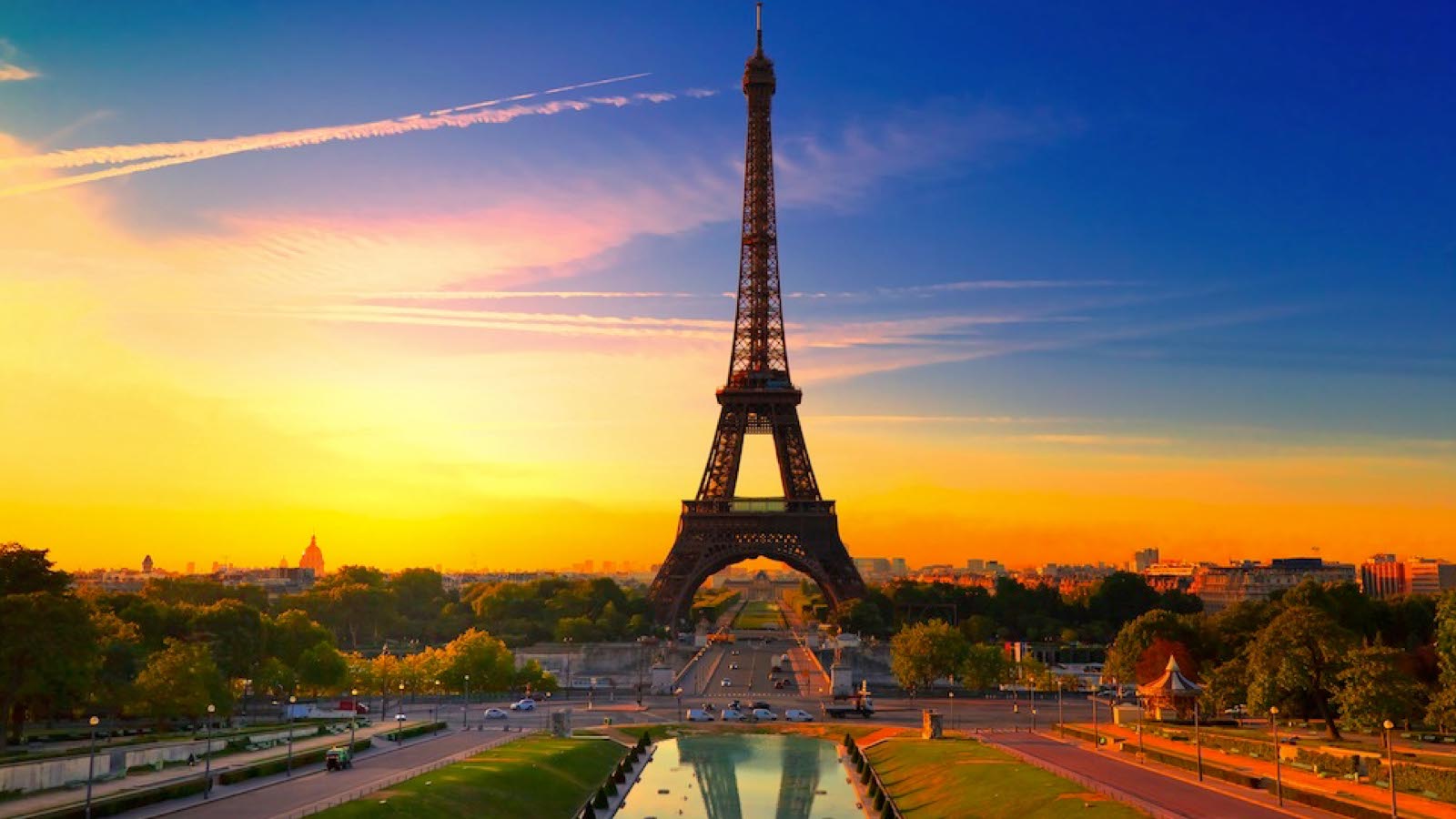
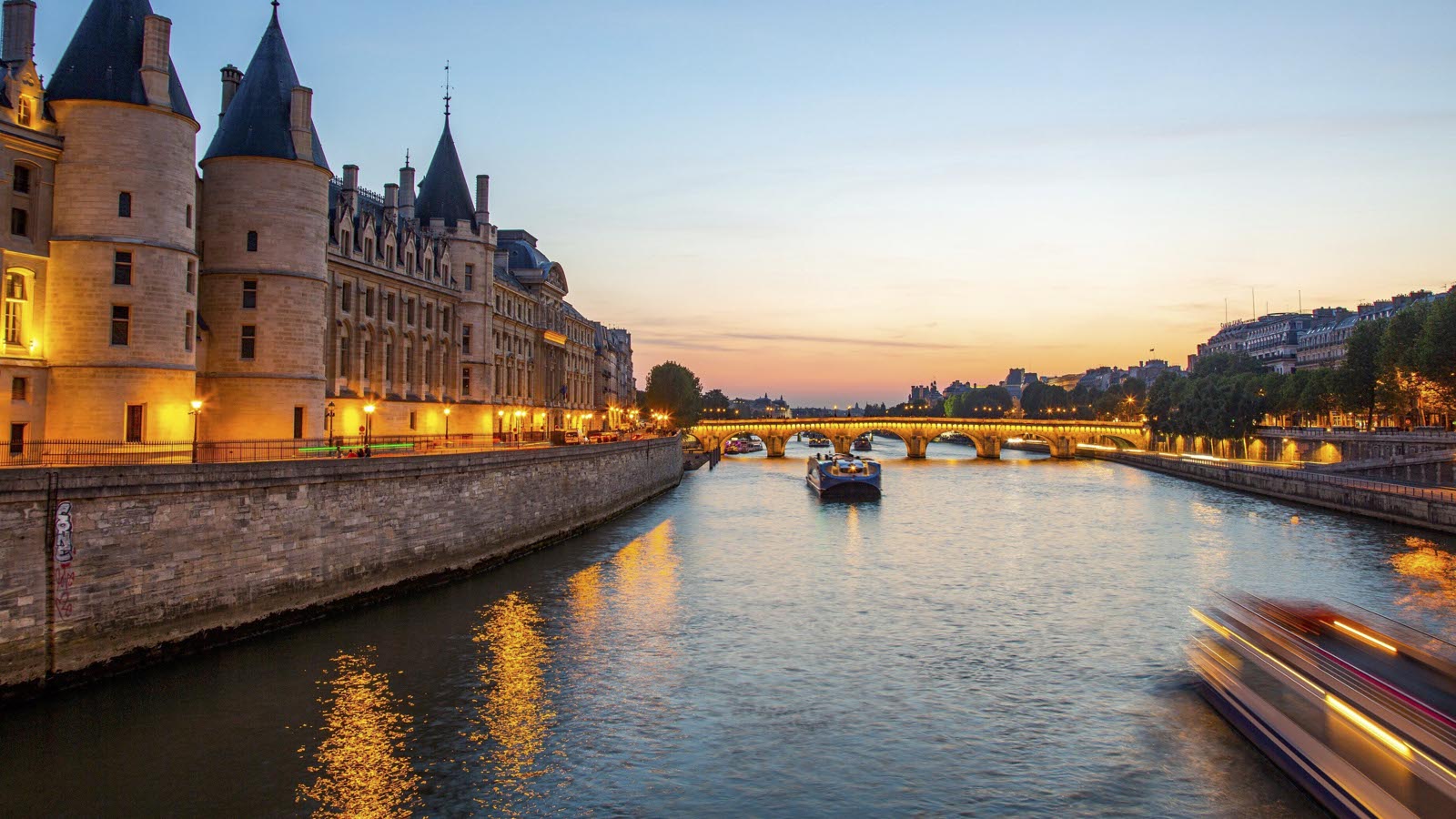
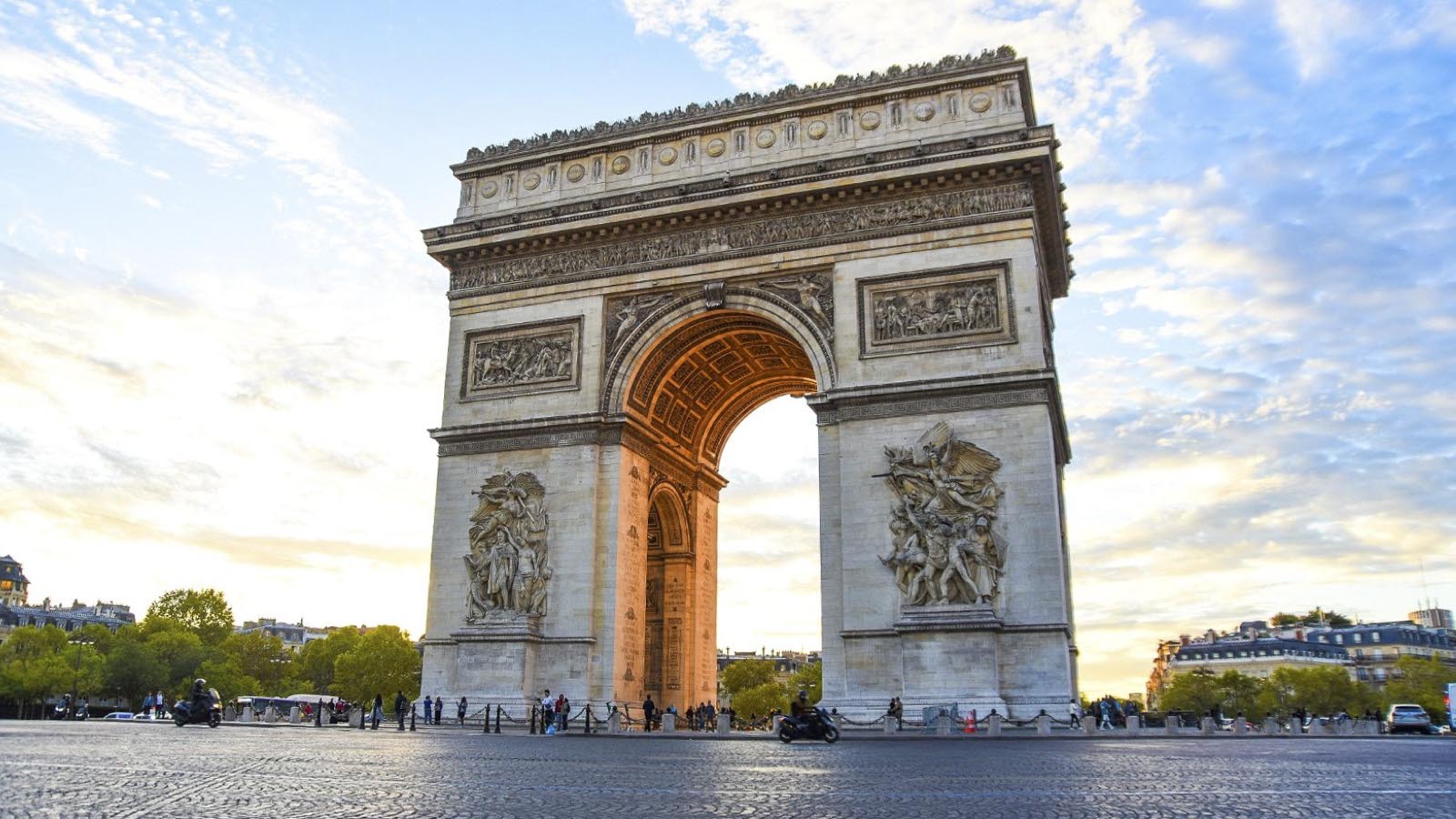
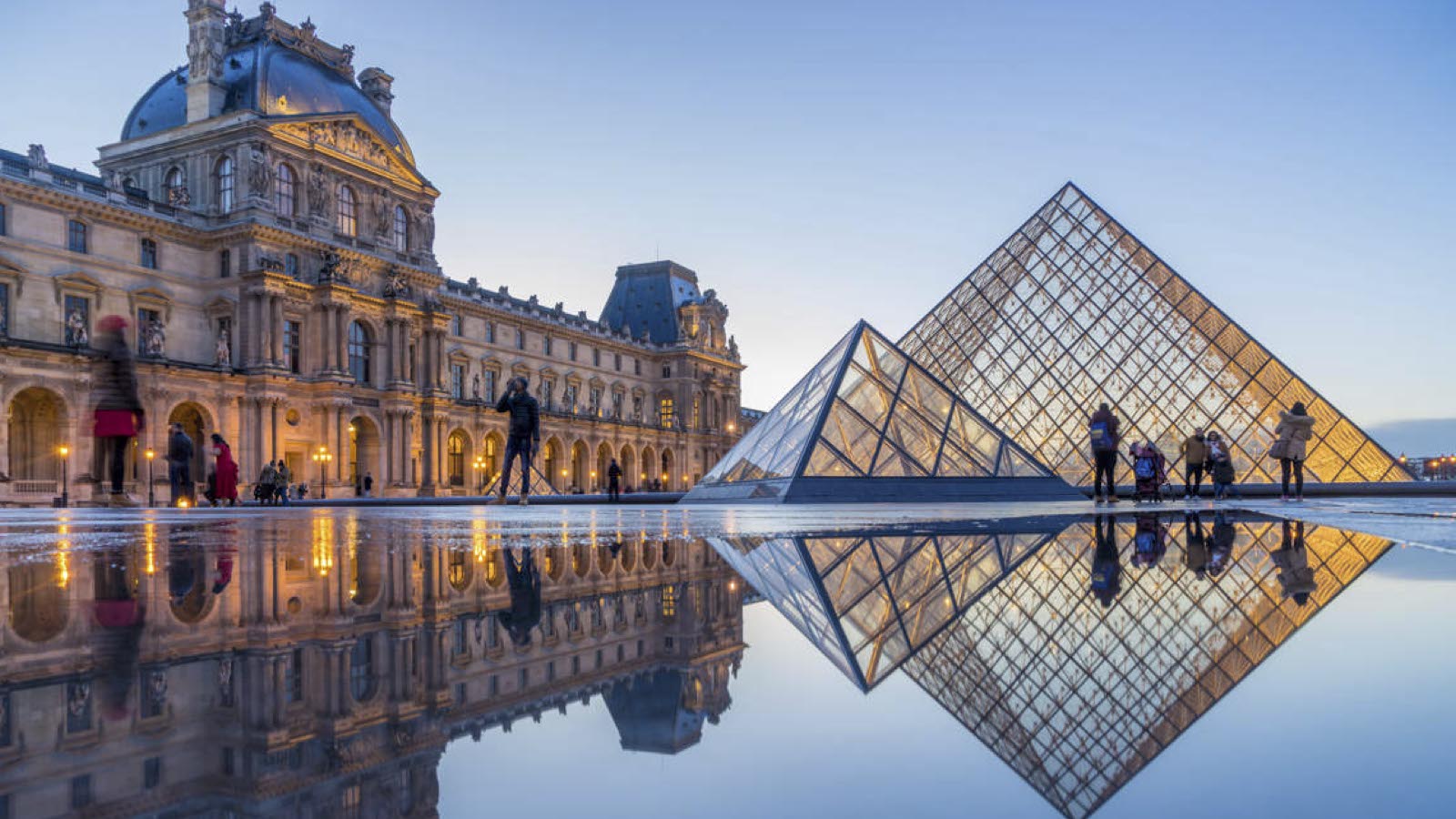
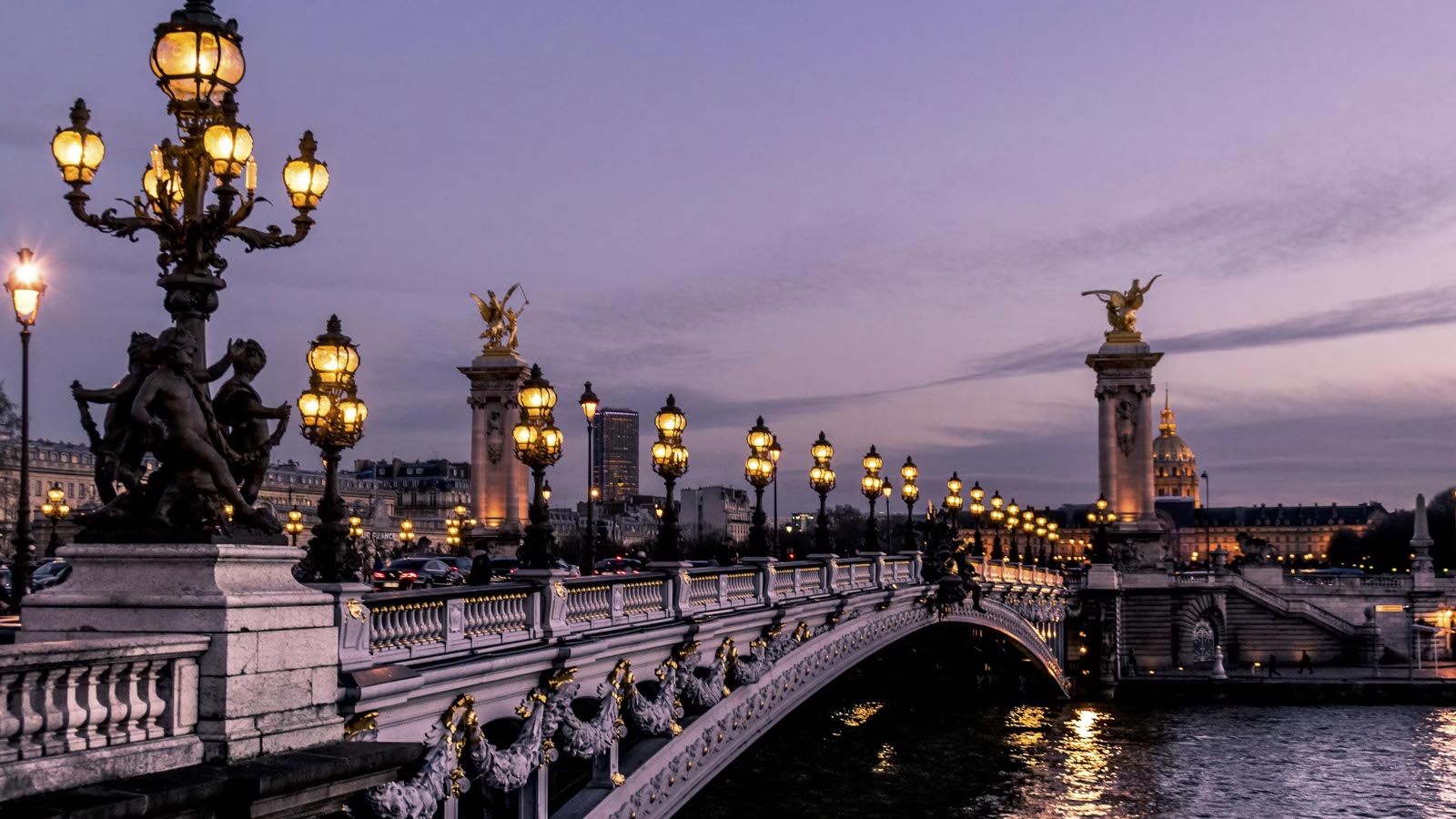
Paris brings together some of Europe’s most celebrated museums, architecture, historic neighbourhoods and cultural landmarks. Travellers can experience the city through grand avenues, intimate streets, gardens, galleries and walks along the Seine.
Beyond its famous monuments, Paris rewards slower exploration through neighbourhood cafés, markets, boutiques and residential districts that reveal different aspects of the city’s character.
The Loire Valley offers one of France’s greatest concentrations of historic architecture, with Renaissance châteaux, landscaped gardens and attractive towns extending along the Loire and its tributaries.
Travelling between estates such as Chambord, Chenonceau and Amboise combines architecture, royal history and countryside within one of the country’s most elegant touring regions.
Provence is characterised by historic villages, olive groves, vineyards, distinctive light and landscapes extending from inland hills towards the Mediterranean. Travellers can explore local markets, Roman heritage and atmospheric towns while enjoying a slower rhythm of travel.
Seasonal changes create noticeably different experiences, from lavender landscapes and lively summer villages to quieter periods when the region feels more intimate.
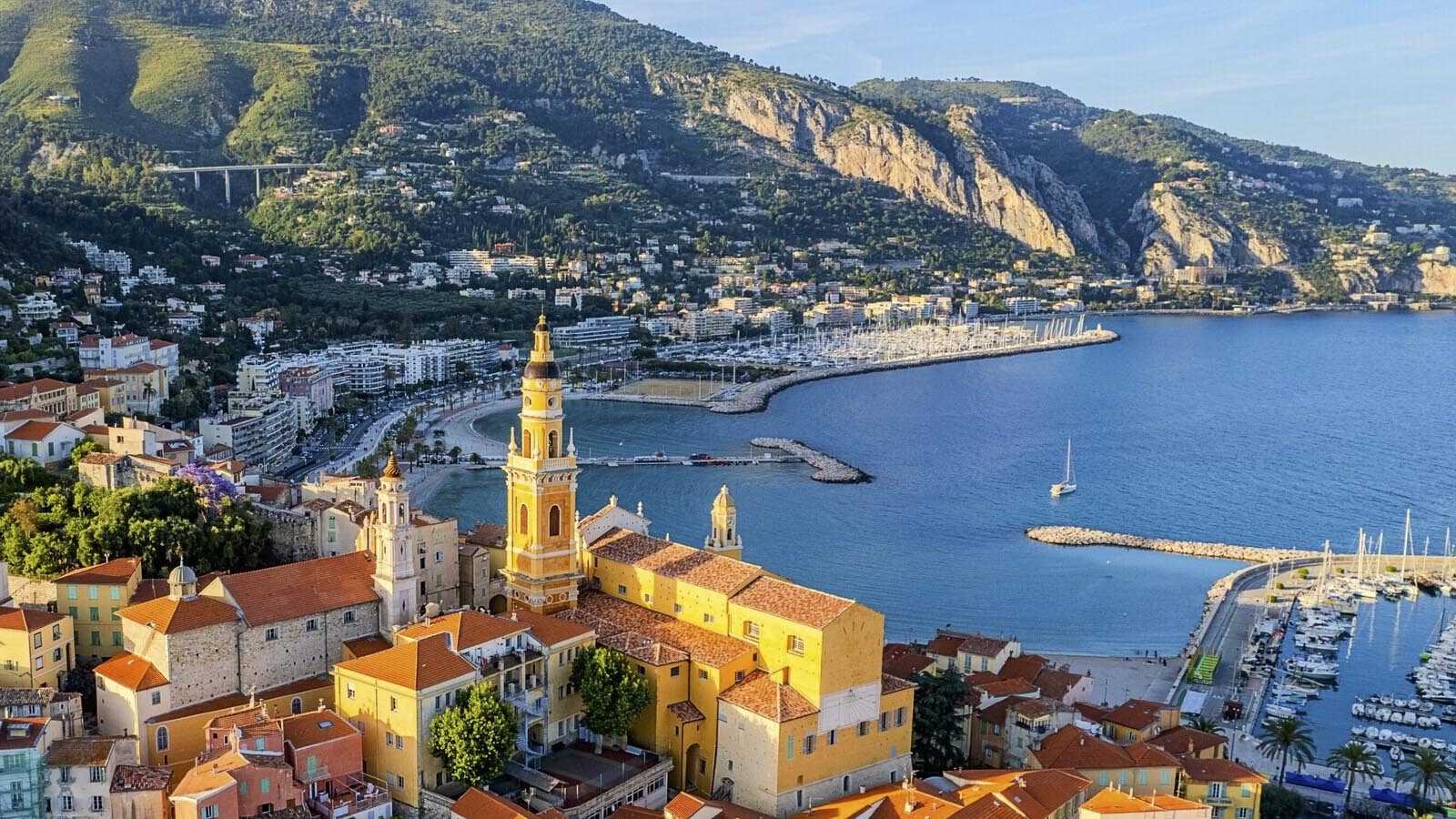
The French Riviera combines Mediterranean beaches, historic towns, glamorous resorts and dramatic coastal scenery. Nice, Cannes, Saint-Tropez and smaller communities each provide different interpretations of the region’s celebrated lifestyle.
Coastal drives, waterfront dining, swimming and visits to hilltop villages allow travellers to balance leisure with cultural exploration.
Gastronomy provides one of the most rewarding ways to understand regional France. Bordeaux, Burgundy, Champagne and the Rhône Valley are among the country’s major wine landscapes, while almost every region has distinctive ingredients, dishes and culinary traditions.
Markets, vineyard visits, local restaurants and specialist producers create experiences that connect food directly with landscape and regional identity.
Beyond major cities, France contains countless historic towns and villages shaped by medieval, Renaissance and later architectural traditions. Exploring these smaller destinations provides a slower and often more intimate perspective on French culture.
Village squares, markets, churches, local shops and surrounding countryside frequently form the heart of these experiences rather than individual major attractions.
Normandy combines coastal scenery, medieval heritage, rural landscapes and sites connected with major moments in European history. Mont-Saint-Michel, historic towns and the D-Day coastline contribute to a region of considerable cultural depth.
The area also offers distinctive cuisine, picturesque villages and countryside that make it rewarding beyond its best-known historic landmarks.
The French Alps provide year-round opportunities for outdoor travel, from skiing and snow sports in winter to hiking, cycling and mountain exploration during warmer months.
Alpine villages, dramatic peaks and lakes create a scenic contrast to France’s cities and wine regions while supporting both active and luxury-oriented travel.
Some of France’s most memorable experiences come from travelling at a slower pace through rural regions, stopping at markets, villages, vineyards and local restaurants rather than moving only between major attractions.
This approach allows regional differences in architecture, cuisine and daily life to become central to the journey and reflects one of the country’s greatest strengths as a destination.
France supports an exceptional variety of travel styles because culture, gastronomy and landscape change significantly between regions. A journey can focus entirely on art and history, food and wine, coastal relaxation or outdoor activity, while longer itineraries can combine several of these experiences naturally.
The country is particularly rewarding for travellers who appreciate atmosphere and regional identity, with accommodation, cuisine and everyday surroundings becoming important parts of the overall journey.
France has a deeply established luxury travel tradition ranging from Parisian palace hotels and Riviera resorts to château properties, vineyard estates and exclusive Alpine retreats. High-end travel frequently combines exceptional hospitality with architecture, gastronomy and privileged locations.
Because luxury experiences exist across very different environments, travellers can create sophisticated journeys without being limited to major cities or traditional resort destinations.
Paris remains one of Europe’s classic romantic destinations, but France offers equally compelling settings through Provence, the Loire Valley, Burgundy and the Mediterranean coast.
Boutique hotels, historic properties, vineyard landscapes and intimate restaurants make the country particularly suited to honeymoons, anniversaries and journeys focused on slower shared experiences.
France provides extraordinary depth for cultural travel through museums, historic architecture, churches, palaces, archaeological sites and distinctive regional traditions. Paris alone can sustain an extended cultural journey, while cities and smaller towns throughout the country add significant variety.
Travellers can connect artistic and architectural heritage with the landscapes and communities that helped shape different periods of French history.
Food and wine are among France’s defining travel experiences. Bordeaux, Burgundy, Champagne, the Rhône Valley and numerous smaller wine areas each combine distinctive landscapes with local production and culinary traditions.
Markets, bakeries, regional restaurants, vineyard visits and fine dining allow gastronomy to become a continuous part of the journey rather than an isolated activity.
France offers extensive Mediterranean and Atlantic coastlines supporting very different seaside experiences. The French Riviera provides glamour and resort culture, while Atlantic destinations can offer broader beaches, historic ports and a more relaxed coastal atmosphere.
Summer journeys can easily combine beach time with villages, food, history and countryside exploration, creating a more varied experience than a conventional resort holiday.
The Alps, Pyrenees, national parks, river valleys and extensive countryside provide numerous opportunities for hiking, cycling, skiing and nature-focused exploration.
Outdoor travel in France can range from highly active mountain adventures to gentle walking and cycling journeys between villages and vineyards.
France is exceptionally well suited to slower journeys built around local markets, countryside, regional food and smaller towns. Travelling by rail, road, bicycle or along river routes allows visitors to experience gradual changes in landscape and culture.
This style of travel is particularly rewarding for returning visitors who wish to explore beyond the country’s most famous landmarks and experience everyday regional character.
France offers strong variety for families through cities, beaches, countryside, theme parks, castles and mountain environments. Different generations can combine sightseeing with outdoor activities and relaxed dining within the same itinerary.
Good transport connections between major destinations also make it possible to create varied family journeys without excessive travel complexity.
France is particularly rewarding as a multi-region destination. Paris can be combined with Normandy or the Loire Valley, wine regions can be linked through scenic touring routes, and Provence naturally complements the French Riviera.
These combinations reveal substantial contrasts in architecture, cuisine, climate and atmosphere, allowing a single journey to feel like several distinct travel experiences.
France can be visited throughout the year, although spring and early autumn are particularly attractive for travellers combining cities, countryside and cultural sightseeing.
Summer is popular for coastal destinations and rural regions, while winter offers festive city experiences and excellent conditions for skiing and mountain holidays in the French Alps.
Visa requirements for France depend on nationality, passport type, length of stay and individual circumstances. Travellers from some countries can enter for short visits without obtaining a visa in advance, while others require a Schengen visa.
Entry regulations can change, so travellers should always confirm current passport and visa requirements through the official France-Visas service or the appropriate French diplomatic authority before travelling.
France is a major international tourism destination with well-developed visitor infrastructure throughout its principal cities and regions.
Travellers should take normal precautions with personal belongings, particularly in busy transport hubs and major sightseeing areas, and should review current official travel advice before departure.
The official currency of metropolitan France is the Euro (EUR).
Credit and debit cards are widely accepted throughout the country, while cash remains useful for smaller transactions, markets and some establishments in rural areas.
France has an extensive transport network combining high-speed and regional rail services, domestic flights, motorways and local public transport. Major cities and many regional centres can therefore be combined efficiently by train.
A hire car can be particularly useful when exploring rural areas, vineyards, villages and regions where public transport is less frequent.
A stay of around seven days can provide a rewarding experience of Paris combined with one additional region, while ten to fourteen days allows a more balanced journey incorporating several contrasting destinations.
Longer stays are particularly worthwhile for travellers wishing to explore rural regions, wine country or the Mediterranean at a slower pace.
Yes, France is particularly well suited to multi-region travel because of its extensive rail network and the considerable differences in landscape, cuisine and cultural character between regions.
Paris can easily be combined with Normandy, the Loire Valley or Burgundy, while southern itineraries can connect Provence with the French Riviera and other Mediterranean destinations.
Explore a visual glimpse of France through images that capture its cities, historic architecture, countryside, vineyards, coast and mountain landscapes.
Discover the places and atmospheres that define this exceptionally diverse European destination.