Jordan
Home Destinations Jordan

Jordan is one of the Middle East’s most captivating destinations, combining extraordinary archaeological heritage with desert wilderness, ancient cities and landscapes shaped by thousands of years of history. From the rose-coloured façades of Petra to the monumental sandstone formations of Wadi Rum, the country offers experiences that feel both timeless and remarkably diverse.
Beyond its iconic landmarks, Jordan reveals Roman ruins, biblical sites, vibrant cities, nature reserves and the waters of both the Dead Sea and Red Sea. Its relatively compact scale makes it possible to combine culture, adventure, wellness and relaxation within one carefully paced journey, creating a destination that is immersive, visually memorable and rich in human connection.
Jordan offers an unusually varied range of accommodation within relatively manageable travel distances. Travellers can move between contemporary city hotels, historic properties, desert camps, wellness resorts and smaller locally influenced stays, allowing the character of the accommodation to change naturally throughout the journey.
The country is particularly well suited to multi-centre itineraries, where urban culture, archaeology, wilderness and relaxation can each be experienced through a distinctive style of stay.
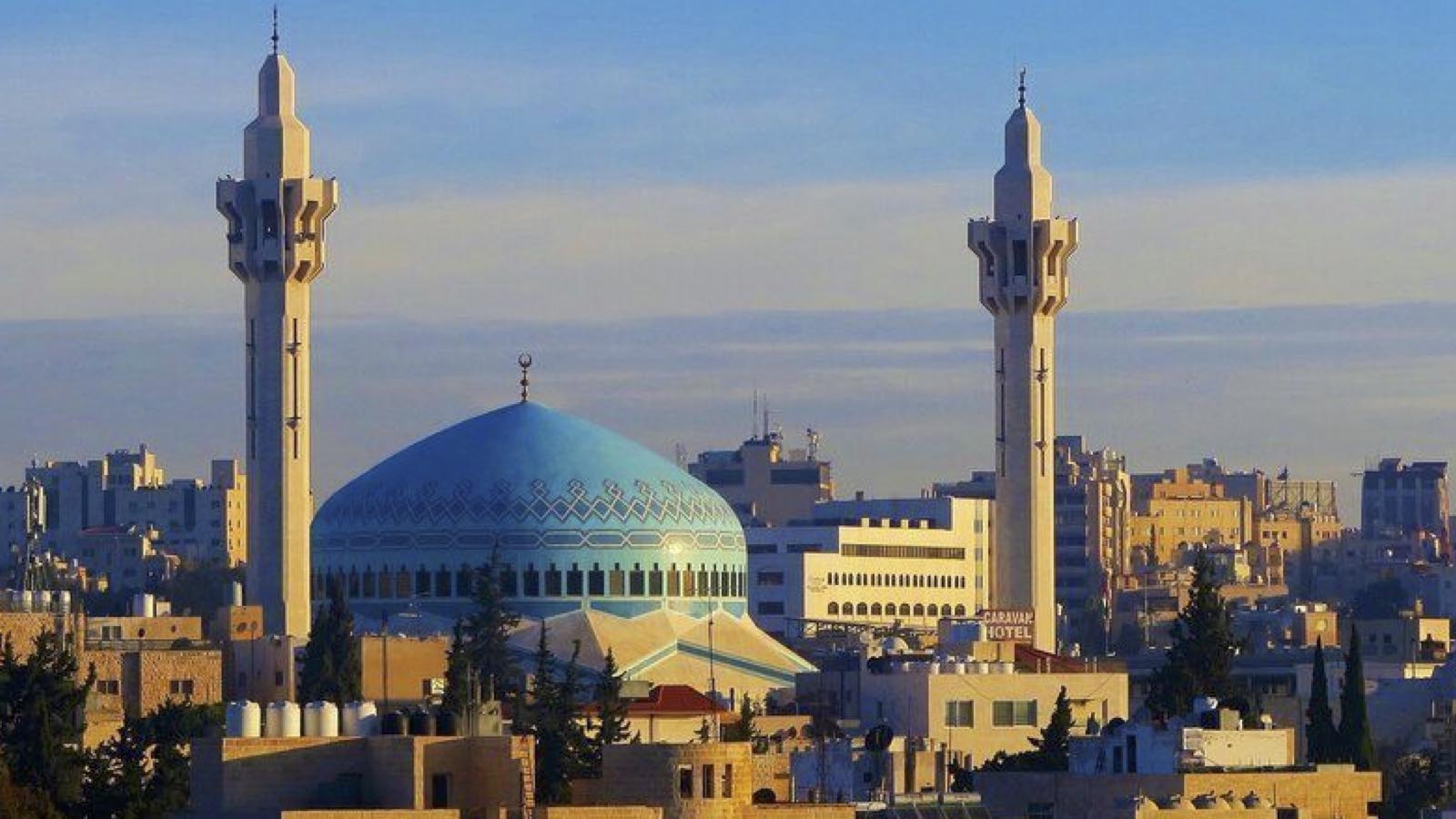
Amman is Jordan’s capital and principal international gateway, combining archaeological heritage, lively neighbourhoods, restaurants, galleries and contemporary city life. Historic areas around the Citadel and downtown contrast with modern districts where many of the city’s leading hotels, restaurants and shopping areas are located.
Accommodation ranges from established international luxury hotels and large conference properties to stylish boutique hotels and smaller locally operated stays. Amman works particularly well at the beginning or end of a touring itinerary and as a base for excursions into northern Jordan.
Wadi Musa is the principal accommodation centre for visiting Petra and provides the easiest access to the archaeological site. Staying locally allows travellers to enter Petra early, spend a full day exploring and experience the destination at a slower pace than would be possible on a long day trip.
Accommodation ranges from established hotels close to the visitor centre to luxury properties, smaller boutique stays and resorts positioned across the surrounding hills, many offering expansive views over the rugged landscape.
Taybeh offers a quieter alternative to central Wadi Musa, surrounded by elevated landscapes south of Petra. The area suits travellers who value atmosphere, space and a more tranquil setting while remaining within practical reach of the archaeological site.
Accommodation often emphasises traditional architecture, views and a stronger connection to the surrounding countryside, making Taybeh particularly attractive for slower-paced and experiential itineraries.
Wadi Rum provides one of Jordan’s most distinctive accommodation experiences. Vast sandstone mountains, red desert and immense night skies create an environment where the stay itself becomes a central part of the journey.
Accommodation includes traditional-style Bedouin camps, comfortable tented camps and higher-end desert properties incorporating private facilities and panoramic designs. Overnight stays allow travellers to experience sunset, stargazing and the changing colours of the desert beyond the shorter daytime excursions.
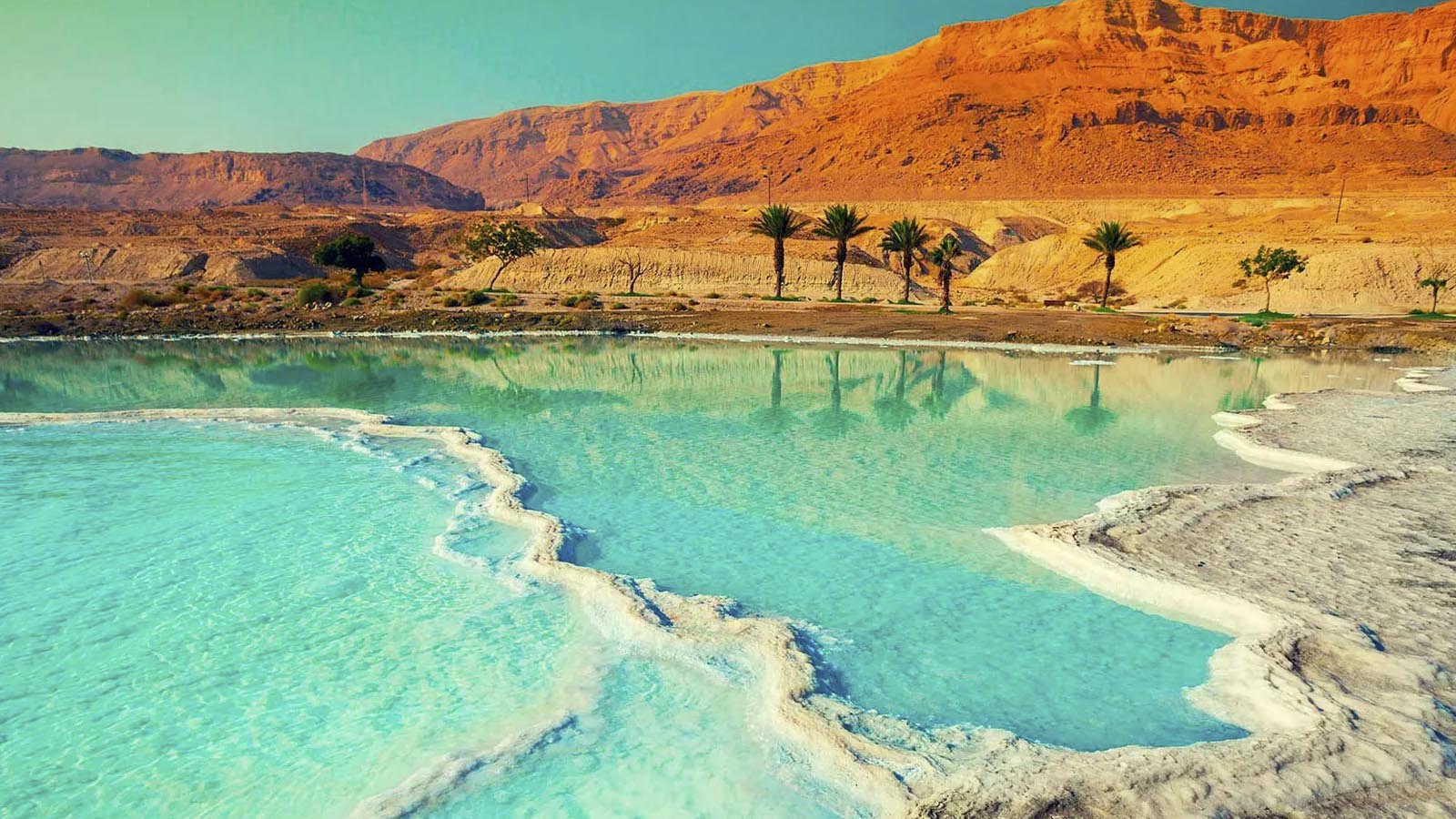
The Jordanian shore of the Dead Sea offers a resort-focused environment centred on relaxation, wellness and the extraordinary experience of floating in its highly saline waters. Its low elevation and warmer climate create a distinctive contrast with Amman and Petra.
Accommodation is dominated by larger international resorts with pools, private shoreline access, spa facilities and restaurants, making the region an ideal place to slow the pace after more active touring.
Aqaba brings a coastal dimension to Jordan through its position on the Red Sea. The destination combines beaches, marine activities and resort hospitality with a warmer, more relaxed atmosphere than the country’s archaeological and desert regions.
Accommodation includes luxury beachfront resorts, large international hotels and more casual urban properties. Aqaba is particularly appealing for travellers wishing to add diving, snorkelling or several days of leisure to a longer Jordan itinerary.
Madaba offers a smaller and more intimate urban environment south of Amman, renowned for its mosaics and proximity to Mount Nebo and other important religious and archaeological sites.
Accommodation tends to be smaller in scale, including boutique hotels and locally operated properties that work well for travellers seeking a quieter alternative to the capital or a cultural stop along the historic King’s Highway.
Dana and Feynan reveal a more nature-focused side of Jordan, characterised by dramatic valleys, desert ecology and hiking landscapes. These areas are particularly attractive to travellers interested in conservation, walking and remote environments.
Accommodation includes eco-oriented lodges and smaller experiential properties where location, landscape and responsible tourism are more important than conventional resort facilities.
Luxury travel in Jordan extends beyond conventional five-star hotels. Desert camps, boutique properties, spa resorts and countryside stays allow high-end journeys to incorporate strong local character and extraordinary natural surroundings.
The most memorable accommodation often combines comfort with a clear sense of place, allowing the transition between city, archaeology, desert and water to become an important element of the overall travel experience.
Jordan is particularly rewarding when accommodation is structured as a progressive journey. Amman can lead naturally towards Madaba and Petra before continuing into Wadi Rum, while the Dead Sea or Aqaba provide relaxing conclusions to a more active itinerary.
This approach creates significant changes in scenery and atmosphere without requiring excessively long travel distances, making Jordan especially effective as a compact touring destination.
Spring from March to May and autumn from September to November are generally the most comfortable periods for travelling through Jordan. Temperatures are well suited to exploring Petra, archaeological sites and desert landscapes, while evenings remain pleasant in most major tourism regions.
Jordan has a predominantly dry climate with considerable variation according to elevation and region. Summers are hot and dry, particularly in the desert and Jordan Valley, while winters can be cool and occasionally wet in Amman, Petra and higher areas. The Dead Sea and Aqaba generally experience warmer conditions throughout the year.
Jordan observes national and religious celebrations throughout the year. Ramadan and the Eid festivals follow the Islamic lunar calendar and can influence restaurant opening hours, business schedules and daily routines, while also offering visitors an opportunity to experience important aspects of Jordanian culture and hospitality.
The official currency is the Jordanian Dinar (JOD). Cards are widely accepted in hotels, restaurants and established tourism businesses, although carrying some local cash is useful for smaller purchases, tips and transactions in more remote areas.
Jordanian cuisine is an important part of the travel experience, with mezze, grilled meats, breads and shared dishes playing a central role in local hospitality. Traditional specialities include mansaf, maqluba and knafeh, while Amman offers everything from neighbourhood restaurants and street food to sophisticated contemporary dining.
Jordan offers an extraordinary combination of history, landscape and cultural experience within a relatively compact country. Travellers can explore cities shaped by successive civilisations, walk through vast archaeological sites, cross desert landscapes and relax beside some of the world’s most distinctive bodies of water.
The most rewarding journeys combine internationally recognised landmarks with quieter cultural experiences, allowing ancient heritage and contemporary Jordanian hospitality to become equally important parts of the trip.
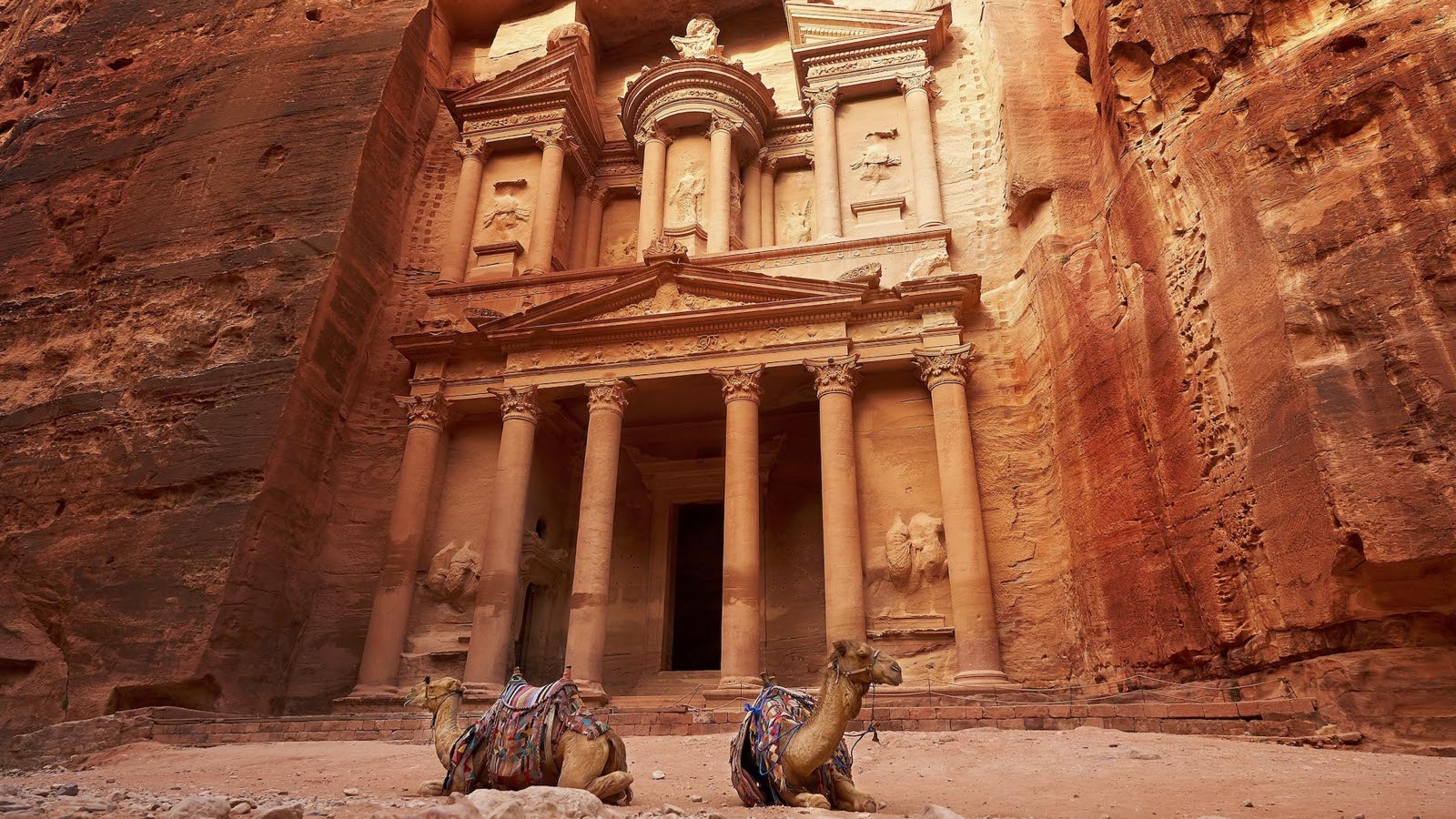
Petra is Jordan’s most celebrated archaeological site and one of the world’s great historic landscapes. Entering through the narrow Siq before reaching the Treasury creates one of travel’s most memorable arrivals, but the site extends far beyond this iconic façade.
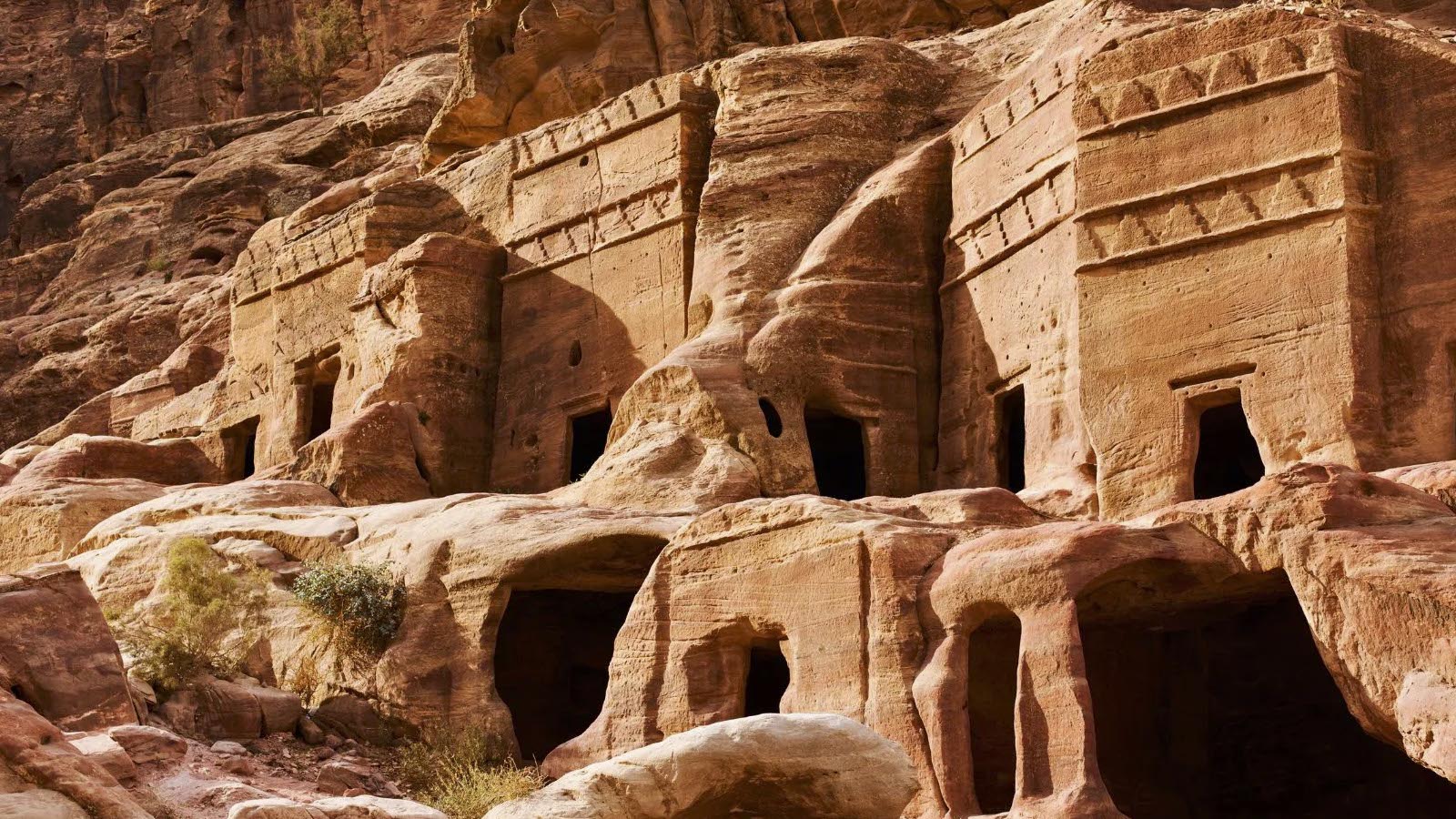
Royal Tombs, temples, theatres, pathways and the climb towards the Monastery reveal the scale and sophistication of the Nabataean city. A full day provides a meaningful introduction, while longer stays allow travellers to explore additional trails and viewpoints at a more relaxed pace.
Wadi Rum combines monumental sandstone formations, open desert and a powerful sense of space. Exploring by 4x4 with local Bedouin guides reveals natural arches, valleys, rock formations and places associated with the region’s long human history.
Staying overnight adds a completely different dimension, allowing travellers to experience sunset, traditional hospitality and exceptional night skies before the desert changes colour again at sunrise.
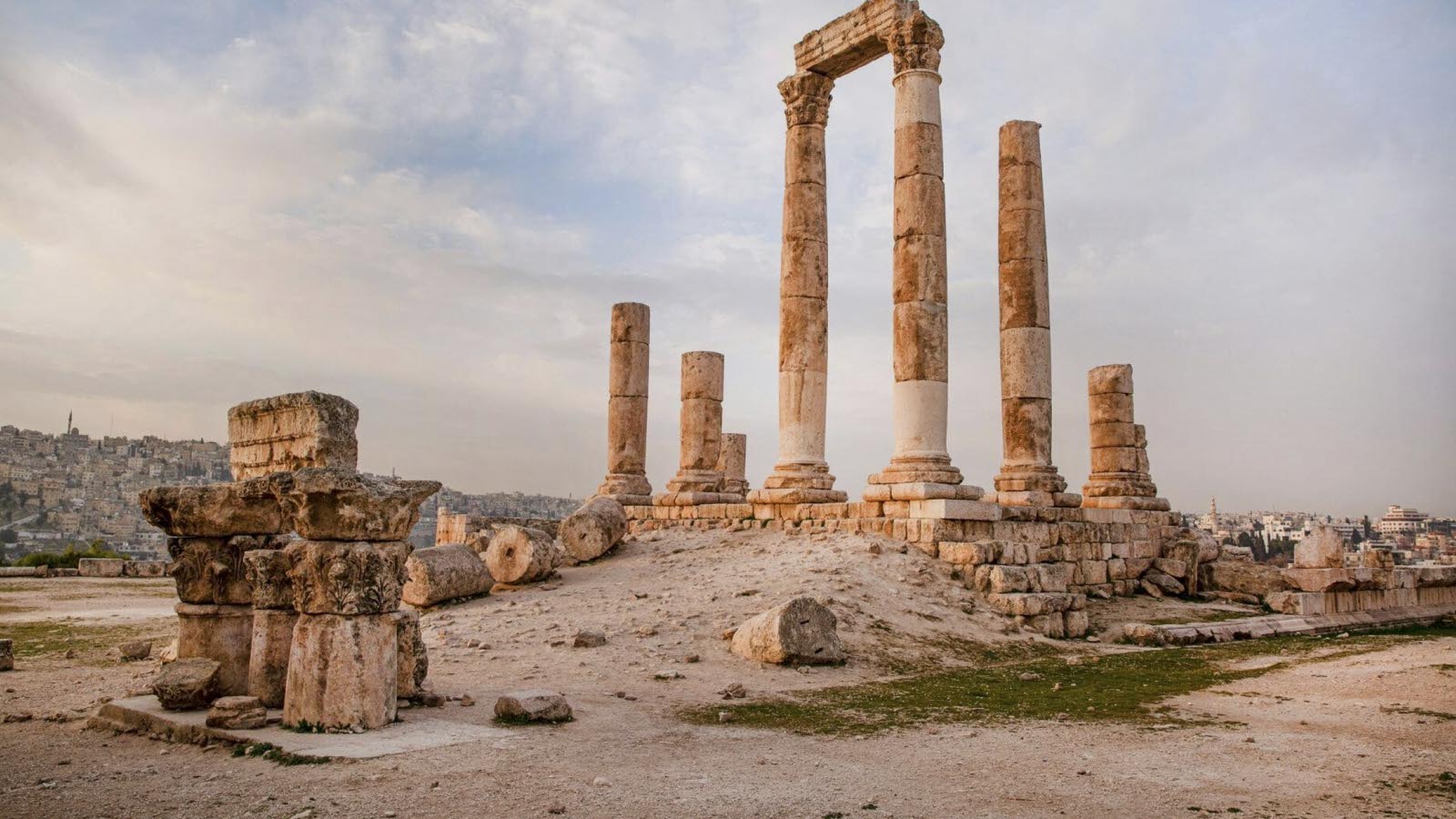
Amman combines ancient history with contemporary Middle Eastern city life. The Citadel and Roman Theatre provide connections with the city’s past, while downtown markets, cafés and neighbourhoods reveal the energy of modern Jordan.
Restaurants, galleries and local food experiences make Amman more than simply an arrival point, and spending time in the capital provides useful cultural context before exploring the rest of the country.
The Dead Sea offers one of Jordan’s most unusual natural experiences. Its exceptionally saline water allows visitors to float effortlessly, while the surrounding resorts have developed a strong wellness tradition based around mineral-rich mud, spa treatments and relaxation.
The landscape also creates a dramatic setting between arid hills and water, making the Dead Sea a natural place to slow the rhythm of a touring itinerary.
Jerash contains one of the Middle East’s most impressive collections of Roman urban architecture. Colonnaded streets, theatres, temples, gates and the distinctive Oval Plaza reveal the scale of ancient Gerasa and the importance of the city within the wider Roman world.
Its location north of Amman makes Jerash particularly suitable for a day excursion, often combined with other sites in northern Jordan.
Madaba is renowned for its Byzantine and Umayyad mosaics, including the celebrated mosaic map of Jerusalem and the Holy Land. Its compact centre and strong cultural identity make it an appealing stop between Amman and southern Jordan.
Nearby Mount Nebo combines biblical associations with panoramic views over the Jordan Valley and Dead Sea, adding both historic and spiritual depth to a broader itinerary.
Al-Maghtas, known as Bethany Beyond the Jordan, is one of Jordan’s most significant religious sites and is traditionally associated with the baptism of Jesus. Archaeological remains and the landscape of the Jordan River create an experience centred on history, faith and reflection.
The site can be incorporated naturally into journeys around the Dead Sea and provides an important dimension for travellers interested in biblical heritage.
Aqaba offers beaches, warm waters and access to the marine environments of the Red Sea. Snorkelling and diving reveal coral reefs and marine life, while beachfront resorts create opportunities for relaxation after travelling through Jordan’s inland regions.
The contrast between sea, desert and surrounding mountains gives Aqaba a distinctive atmosphere and makes it a valuable addition to longer itineraries.
Jordan offers rewarding hiking beyond its archaeological sites, particularly around Dana, Feynan, Wadi Mujib and sections of the Jordan Trail. Routes pass through canyons, highlands, desert and rural landscapes that reveal considerable environmental diversity.
Walking provides a slower and more immersive way to experience the country, particularly for travellers interested in nature, photography and local communities.
The historic King’s Highway provides one of Jordan’s most atmospheric touring routes, connecting landscapes and cultural sites between central and southern regions. Madaba, Mount Nebo, dramatic valleys, castles and traditional towns can all form part of the journey.
Travelling this route transforms the transfer towards Petra into an experience in its own right and adds historical continuity to a multi-region itinerary.
Hospitality is one of the defining aspects of travelling through Jordan. Shared meals, tea, coffee and traditional dishes provide natural opportunities to engage with local culture throughout the country.
Food experiences can range from casual falafel and mezze in Amman to traditional meals in smaller communities and dinner beneath the desert sky in Wadi Rum.
Jordan’s greatest strength is the ability to combine very different environments within one journey. Travellers can move from Roman cities and biblical landscapes to Petra, Wadi Rum and eventually the Dead Sea or Red Sea without losing a strong sense of cultural continuity.
This balance creates journeys that feel adventurous and deeply historical while still allowing space for relaxation and personal experience.
Jordan offers an unusually complete travel experience for a country of its size, combining ancient history, desert wilderness, contemporary culture, wellness and coastal environments. The relatively short distances between many major attractions allow several styles of travel to coexist naturally within one itinerary.
Whether travelling for archaeology, outdoor adventure, faith, luxury or relaxation, visitors can build journeys that retain a strong connection with Jordanian culture and landscape throughout.
Jordan is exceptional for travellers interested in history and archaeology. Petra, Jerash, Amman, Madaba and numerous smaller sites reveal layers of Nabataean, Roman, Byzantine, Islamic and earlier civilisations.
Cultural touring becomes particularly rewarding when major monuments are combined with local neighbourhoods, food and smaller historic communities, providing greater context for the country’s extraordinary heritage.
Wadi Rum provides the centrepiece of Jordan’s desert travel experience, with 4x4 exploration, hiking, climbing and overnight camps surrounded by immense sandstone landscapes.
Adventure can also extend into canyon landscapes, nature reserves and longer walking routes, allowing travellers to experience Jordan through direct interaction with its terrain rather than sightseeing alone.
Jordan offers sophisticated luxury experiences through international hotels in Amman, high-end properties around Petra, desert camps in Wadi Rum and extensive wellness resorts beside the Dead Sea.
The most compelling luxury journeys use these different styles of accommodation to reflect the changing landscape, creating an experience that combines comfort with a strong sense of destination.
The Dead Sea is Jordan’s principal wellness destination, where mineral-rich water, spa treatments and warm conditions encourage a slower pace after days of cultural exploration.
Combining wellness with Petra or Wadi Rum creates a particularly effective balance between active sightseeing and restorative travel.
Jordan contains numerous locations associated with biblical and early Christian history, including Mount Nebo, Madaba and the Baptism Site at Bethany Beyond the Jordan.
These sites attract pilgrims but also appeal to travellers interested more broadly in archaeology, history and the religious traditions that have shaped the region over centuries.
Dana, Feynan, Wadi Mujib and sections of the Jordan Trail provide opportunities for hiking through environments ranging from elevated countryside to deep canyons and desert landscapes.
Nature-focused travel reveals a side of Jordan that can easily be overlooked when concentrating only on archaeological landmarks and is particularly rewarding during the milder spring and autumn seasons.
Aqaba allows Jordan itineraries to conclude with beaches, diving, snorkelling and resort relaxation beside the Red Sea. Its warmer climate makes it especially appealing during cooler periods elsewhere in the country.
Coastal travel works best as a complement to a broader journey rather than as Jordan’s defining experience, creating a relaxed contrast after cultural and desert exploration.
Jordan offers memorable settings for couples through boutique stays, dramatic landscapes, desert sunsets and wellness resorts. Petra and Wadi Rum provide particularly atmospheric experiences that feel very different from conventional romantic resort destinations.
Combining these places with time at the Dead Sea or Aqaba creates journeys that balance exploration, privacy and relaxation.
Travelling more slowly allows visitors to move beyond Jordan’s most famous landmarks and engage more deeply with smaller towns, local food, traditional hospitality and natural landscapes.
Staying additional nights around Petra, Wadi Rum or rural regions can transform the journey from a sequence of major attractions into a more immersive experience of the country itself.
Jordan is particularly well suited to progressive touring itineraries. Amman and northern heritage sites can lead south through Madaba and the King’s Highway to Petra, before continuing into Wadi Rum and concluding at the Dead Sea or Aqaba.
This structure allows cultural history, desert adventure and relaxation to develop naturally throughout the journey and is one of the destination’s greatest advantages for touring holidays.
Spring from March to May and autumn from September to November are generally the most comfortable seasons for exploring Jordan, particularly for visiting archaeological sites, hiking and spending time in the desert.
Summer can be very hot in exposed and lower areas, while winter is cooler and can bring rain and occasional cold conditions to elevated destinations such as Amman and Petra. Aqaba and the Dead Sea generally remain warmer.
Visa requirements for Jordan depend on nationality, passport type and the circumstances of travel. Some travellers can obtain a visa on arrival or use electronic visa services, while others may need prior approval.
Entry requirements can change, so travellers should always check the latest information with the Jordanian Ministry of Interior or an appropriate Jordanian diplomatic authority before travelling.
Jordan has long-established tourism infrastructure across destinations including Amman, Petra, Wadi Rum, the Dead Sea and Aqaba, and visitors regularly travel between these areas as part of organised and independent itineraries.
Regional conditions in the Middle East can change, however, so travellers should follow local guidance and consult the latest official travel advice before departure and throughout their journey.
The official currency is the Jordanian Dinar, abbreviated as JOD.
Cards are widely accepted in larger hotels, restaurants and tourism establishments, although carrying some cash is useful for smaller businesses, tips and purchases in remote areas.
Jordan’s principal tourism destinations are connected by road, making private transfers, guided touring and hire cars practical ways to travel through the country. Distances between many major attractions are manageable within a touring itinerary.
Travellers often combine Amman, Madaba, Petra, Wadi Rum and the Dead Sea or Aqaba along a broadly north-to-south route, while organised transport can simplify journeys through more remote desert and nature regions.
Seven to ten days allows travellers to experience many of Jordan’s principal highlights, including Amman, Petra, Wadi Rum and the Dead Sea, while incorporating selected historic sites along the route.
Ten to fourteen days provides a more relaxed journey and allows additional time for Jerash, Madaba, Dana, Aqaba, hiking or longer stays around Petra and Wadi Rum.
Yes, Jordan is exceptionally well suited to multi-centre travel because major destinations offer very different experiences while remaining relatively easy to combine by road.
A journey can move naturally from the urban and historical environment of Amman towards Petra, Wadi Rum and finally the Dead Sea or Red Sea, creating a strong progression between culture, desert and relaxation.
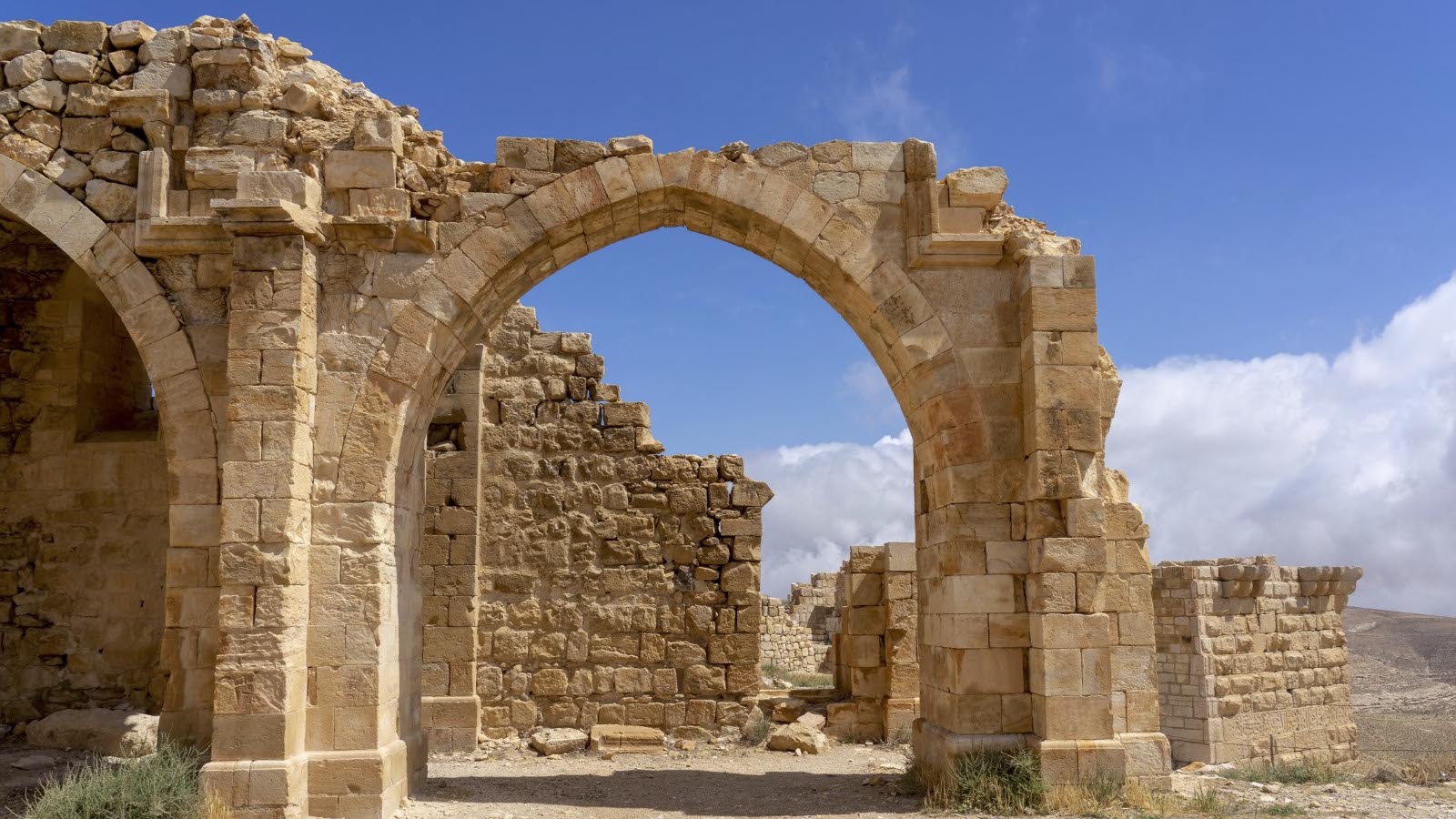
Explore a visual glimpse of Jordan through images that capture its ancient cities, desert landscapes, cultural heritage and distinctive waterside environments.
Discover the places and scenery that define this remarkable and deeply atmospheric Middle Eastern destination.