Puerto Rico
Home Destinations Puerto Rico

Puerto Rico is a vibrant Caribbean archipelago where centuries of history, tropical landscapes and a distinctive cultural identity come together within a remarkably accessible destination. Colourful historic cities, rainforest, mountains and an extensive coastline allow travellers to experience far more than a conventional Caribbean beach holiday.
From the cobbled streets and fortifications of Old San Juan to El Yunque, Vieques, Culebra and the relaxed west coast, Puerto Rico offers considerable variety within relatively compact distances. Food, music and strong local traditions add depth to journeys that can combine culture, nature, adventure and coastal relaxation.
Puerto Rico offers a broad range of accommodation across historic cities, beach communities, rainforest surroundings and smaller offshore islands. Travellers can choose between sophisticated urban hotels, large coastal resorts, intimate boutique properties and relaxed guest houses where the atmosphere is closely connected to the surrounding community.
The island is particularly well suited to combining San Juan with one or more contrasting regions, allowing culture, nature and beach time to form part of the same journey.
Old San Juan provides the most atmospheric historic stay on the island, surrounded by colourful colonial architecture, cobbled streets, fortifications, restaurants and lively public spaces. Many of Puerto Rico’s most recognisable cultural landmarks are within walking distance.
Accommodation tends towards historic and boutique properties rather than large beach resorts, making the area particularly rewarding for travellers interested in architecture, culture and evenings spent exploring on foot.
Condado combines the energy of metropolitan San Juan with a beachfront setting, restaurants, nightlife and sophisticated hospitality. The area provides easy access to Old San Juan while offering a more contemporary resort and leisure atmosphere.
Accommodation includes luxury hotels, lifestyle properties and larger beachfront resorts, making Condado particularly suitable for travellers seeking a balance between city experiences and Caribbean relaxation.
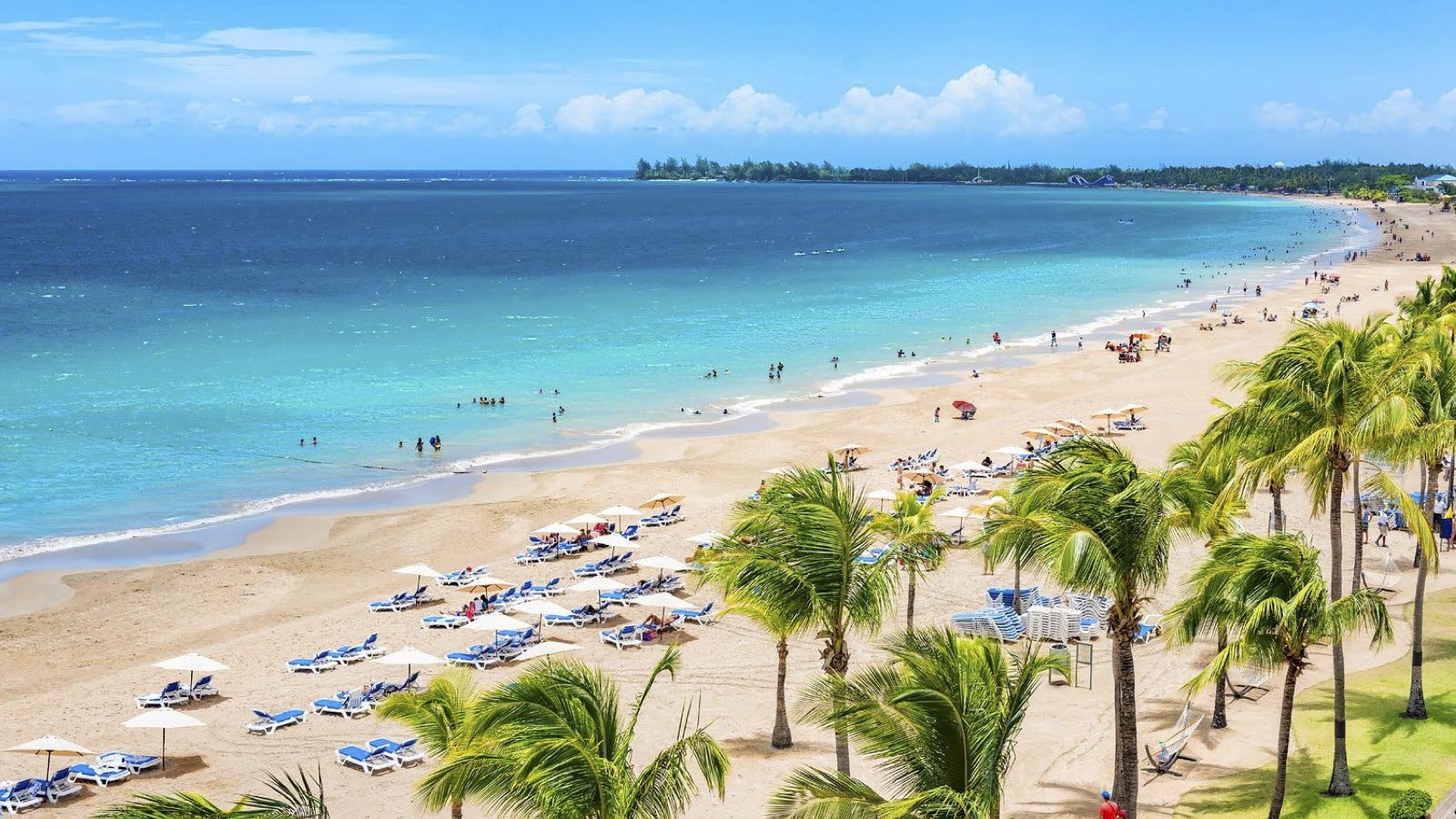
Isla Verde offers a broad sandy beach and a strong concentration of resort accommodation close to San Juan’s principal international airport. Its location makes it convenient for shorter stays and travellers prioritising straightforward access to both the beach and metropolitan attractions.
Hotels range from established full-service resorts to contemporary properties and smaller accommodation options positioned around the coastline.
Dorado offers one of Puerto Rico’s most refined resort environments, combining attractive coastline, extensive leisure facilities and high-end hospitality west of San Juan.
The area appeals particularly to luxury travellers, couples and families seeking resort-focused stays with convenient access to the capital while maintaining a quieter and more exclusive atmosphere.
Puerto Rico’s east coast combines beaches with convenient access to El Yunque National Forest and gateways towards Vieques and Culebra. Río Grande is particularly well established for resort stays, while Luquillo offers a more relaxed coastal atmosphere.
Accommodation ranges from large luxury resorts and golf properties to smaller beachfront and locally operated stays, making the region particularly suitable for travellers combining rainforest exploration with coastal relaxation.
Vieques provides a quieter island experience defined by undeveloped beaches, protected landscapes and a relaxed Caribbean rhythm. The island is particularly well known for Mosquito Bay and its remarkable bioluminescent waters.
Accommodation generally consists of boutique hotels, guest houses and smaller independent properties rather than large resorts, creating an experience centred on nature, beaches and slower-paced travel.
Culebra is even smaller and more intimate, with clear water, protected natural surroundings and beaches including the celebrated Flamenco Beach. The island appeals strongly to travellers seeking simplicity, snorkelling and peaceful coastal environments.
Accommodation is predominantly small-scale, including guest houses, villas and locally operated properties, reinforcing Culebra’s informal and independent character.
Rincón offers a distinctly relaxed west-coast atmosphere shaped by surfing, beaches and spectacular Caribbean sunsets. The region has developed a strong independent travel character while retaining a slower pace than metropolitan San Juan.
Accommodation ranges from boutique beachfront hotels and villas to smaller guest houses and lifestyle properties, making Rincón especially appealing to couples, surfers and travellers seeking a more laid-back coastal experience.
Ponce provides a different perspective on Puerto Rico through historic architecture, museums and a strong cultural identity. The southern region generally feels less resort-oriented than San Juan and the east coast and can provide a rewarding addition to a broader island itinerary.
Accommodation includes city hotels, historic properties and smaller locally operated stays, allowing travellers to explore both cultural attractions and the surrounding southern landscapes.
Puerto Rico’s mountainous interior offers small towns, coffee-growing landscapes and a noticeably cooler and greener environment than many coastal regions. The area is particularly suited to scenic touring, local gastronomy and travellers wishing to explore beyond conventional Caribbean resort areas.
Accommodation tends towards small hotels, guest houses and countryside properties where location and local atmosphere are more important than extensive resort facilities.
Puerto Rico offers both sophisticated resort luxury and highly individual boutique accommodation. San Juan, Dorado and the east coast provide the strongest concentration of high-end resort facilities, while Old San Juan, Vieques and Rincón offer more intimate and character-driven alternatives.
Combining different accommodation styles allows travellers to experience both polished Caribbean hospitality and the more locally rooted atmosphere of smaller communities.
Puerto Rico is particularly rewarding when San Juan is combined with one or two additional regions. Travellers can move east towards El Yunque and the offshore islands, west towards Rincón and Cabo Rojo or south towards Ponce and the Caribbean coastline.
These combinations create meaningful changes in atmosphere and landscape without requiring excessively complicated travel arrangements.
December to April is generally the most popular period for visiting Puerto Rico, with warm temperatures, lower humidity and comparatively drier conditions. This period is especially attractive for beaches, sightseeing and outdoor exploration, although it also corresponds with the busiest travel season.
Puerto Rico has a warm tropical climate throughout the year. Conditions vary considerably across the island, with rainforest and mountain regions receiving more rainfall while parts of the southern coast are noticeably drier. The Atlantic hurricane season runs from June through November, making weather monitoring particularly important for travel during these months.
Puerto Rico has a lively calendar of cultural, religious and seasonal celebrations influenced by both Caribbean and United States traditions. Christmas celebrations extend through an especially long festive season, while local patron-saint festivals, music events and community celebrations take place throughout the year.
The official currency is the United States Dollar (USD). Credit and debit cards are widely accepted throughout established tourism areas, although carrying some cash can be useful for smaller businesses, markets and more remote communities.
Puerto Rican cuisine is one of the destination’s major attractions, combining Spanish, African, Taíno and wider Caribbean influences. Plantains, rice, pork, seafood and local seasonings feature prominently, while San Juan offers everything from traditional neighbourhood restaurants to sophisticated contemporary dining.
Puerto Rico combines Caribbean landscapes with an unusually rich concentration of history, culture and outdoor experiences. Travellers can explore centuries-old streets in the morning and reach beaches, tropical forest or mountain landscapes within relatively short travelling distances.
The island rewards visitors who look beyond a single resort area, with each region offering a noticeably different atmosphere and connection to Puerto Rican life.
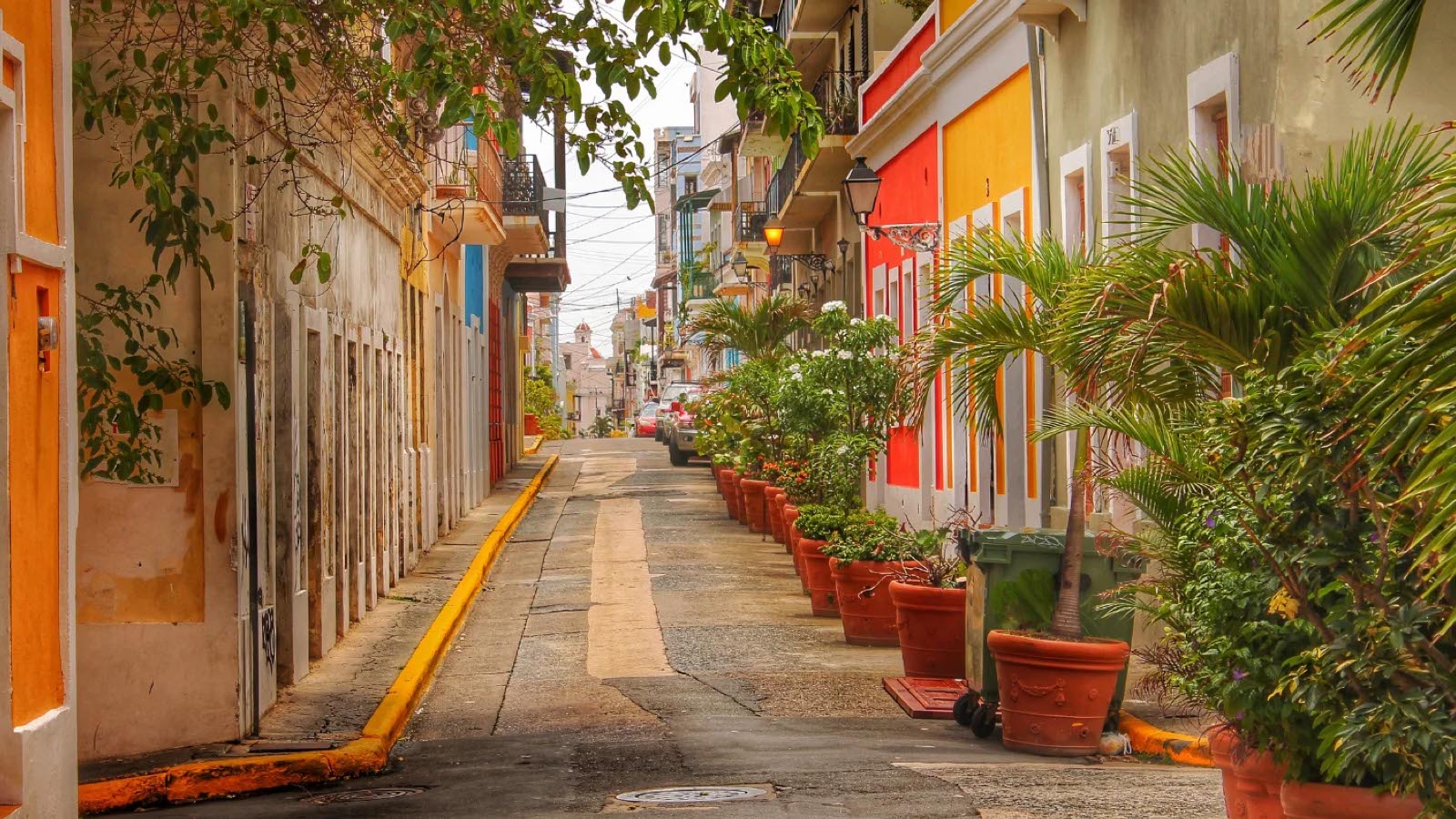
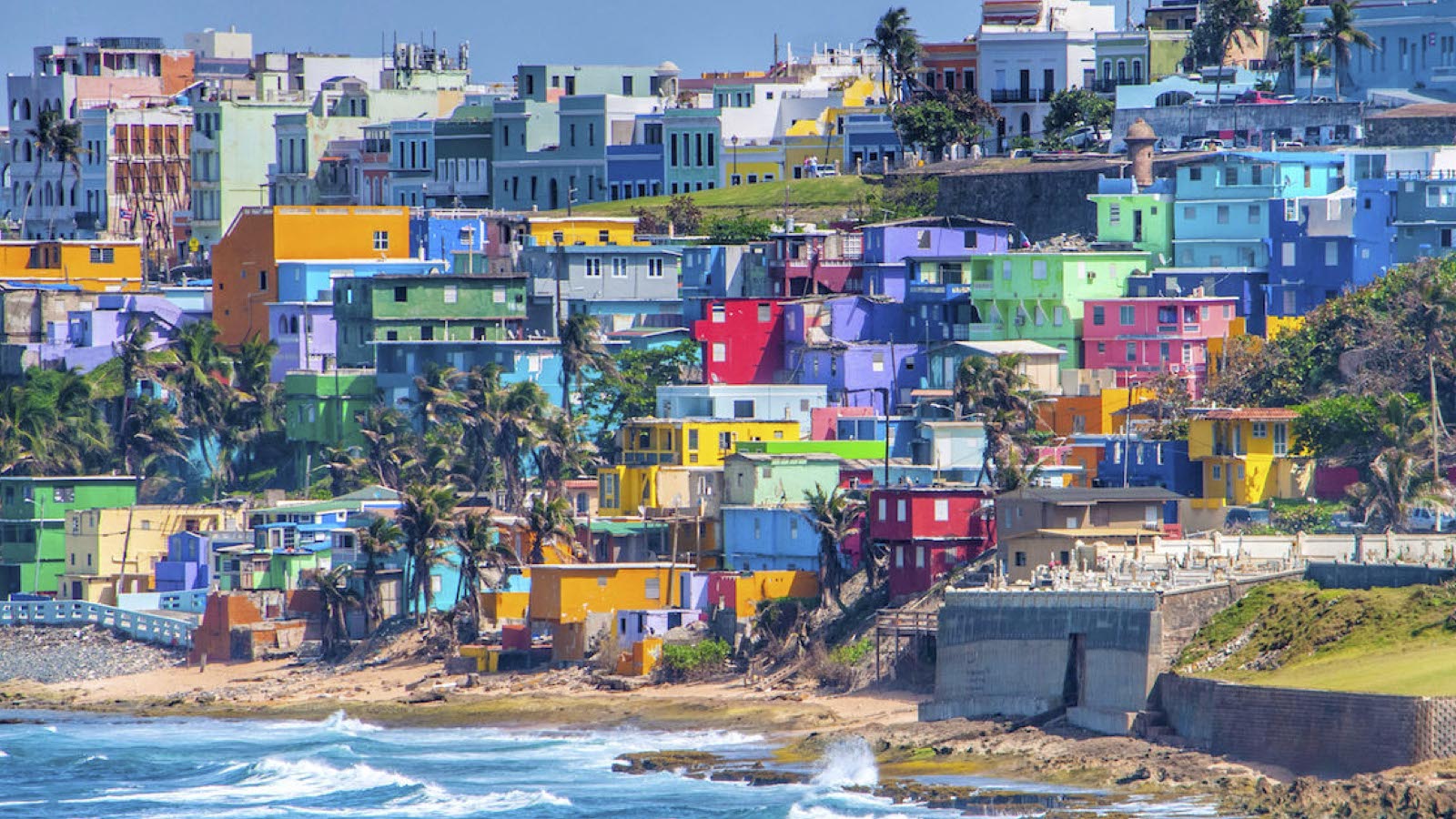
Old San Juan is one of the Caribbean’s most distinctive historic districts, characterised by colourful façades, cobbled streets, public squares and centuries of architectural heritage. Walking through the old city reveals restaurants, galleries and local shops alongside major historic landmarks.
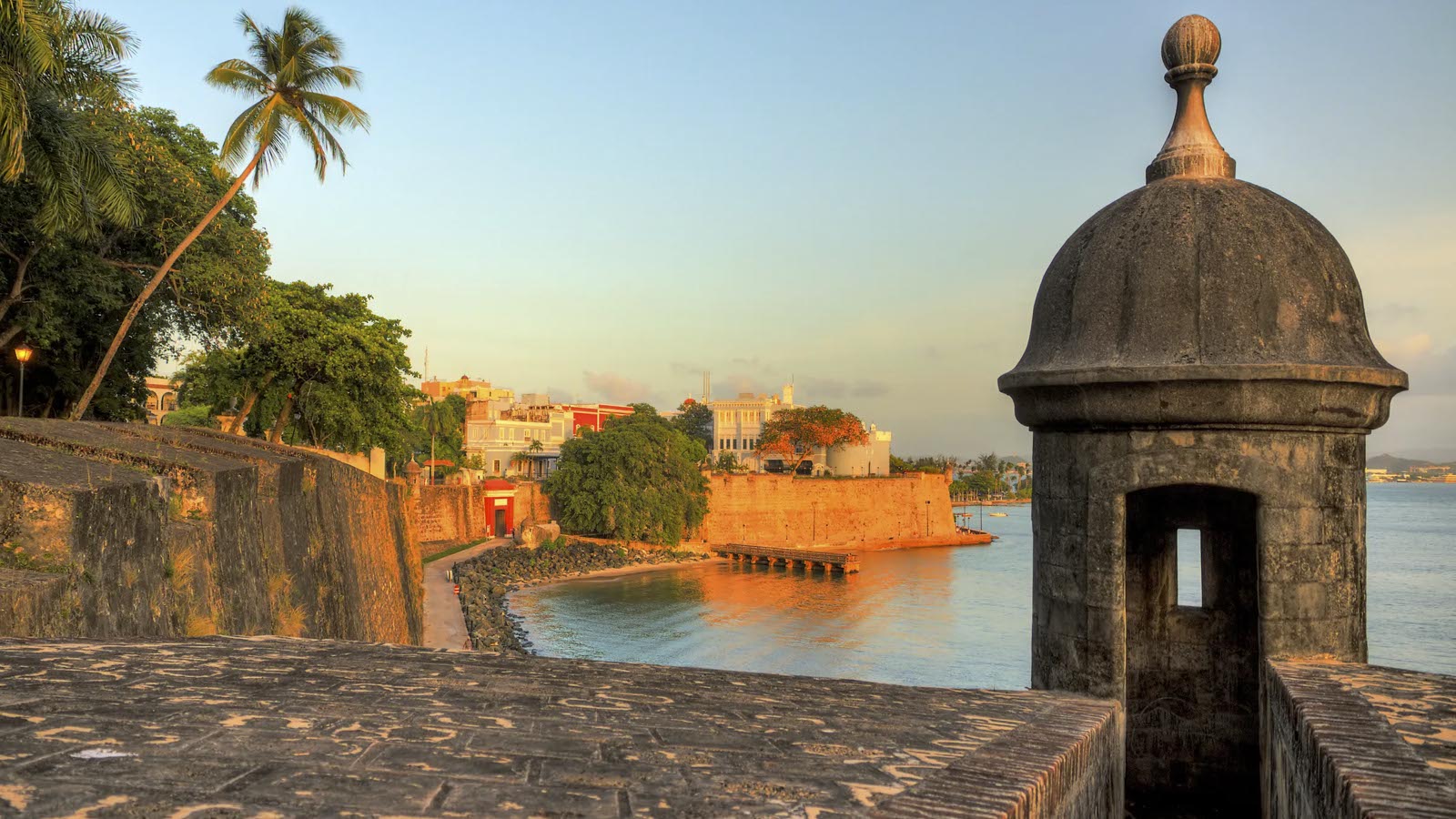
The area is particularly rewarding in the early morning and evening, when travellers can experience its streets at a slower pace and enjoy views towards San Juan Bay and the Atlantic.
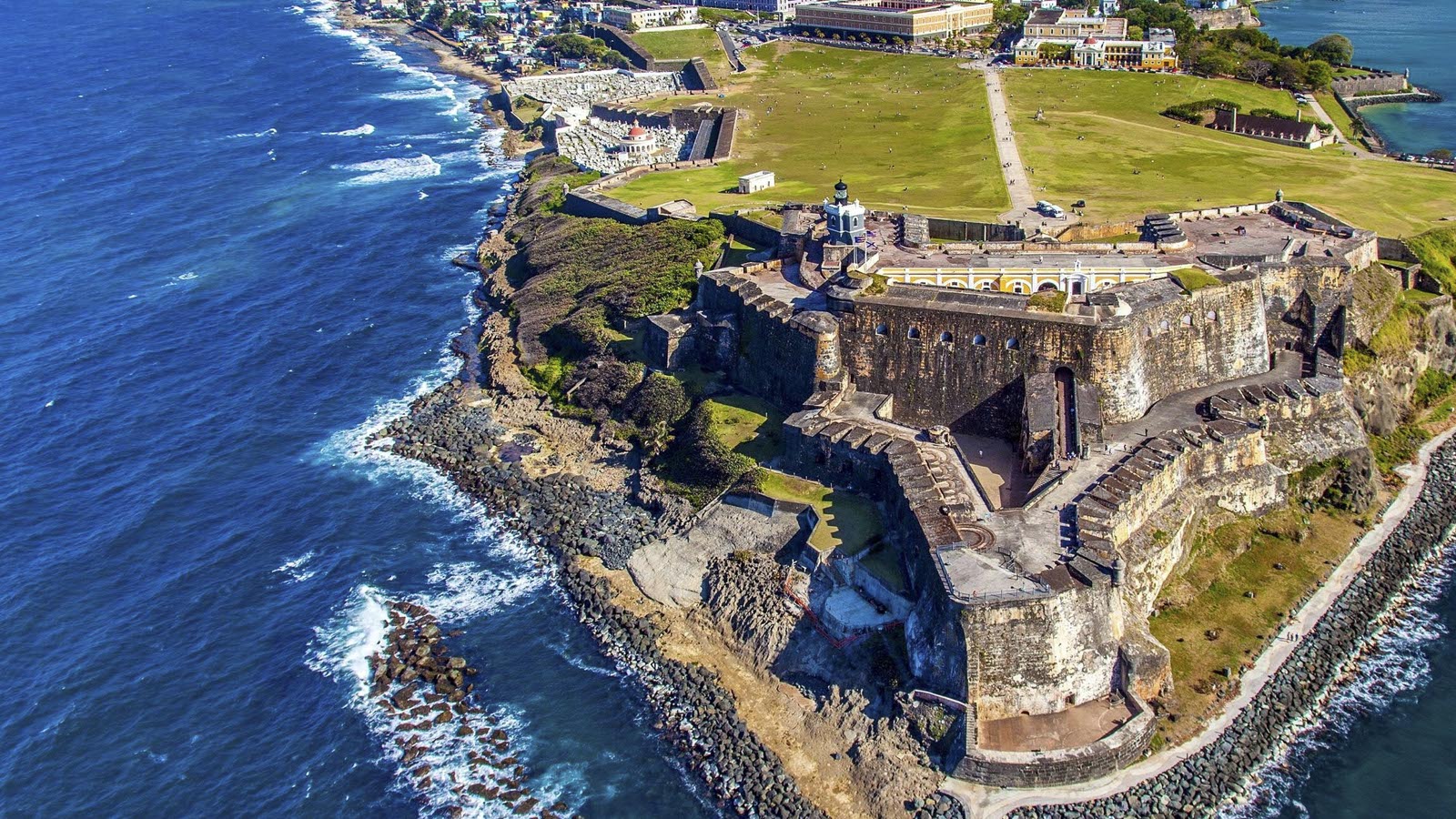
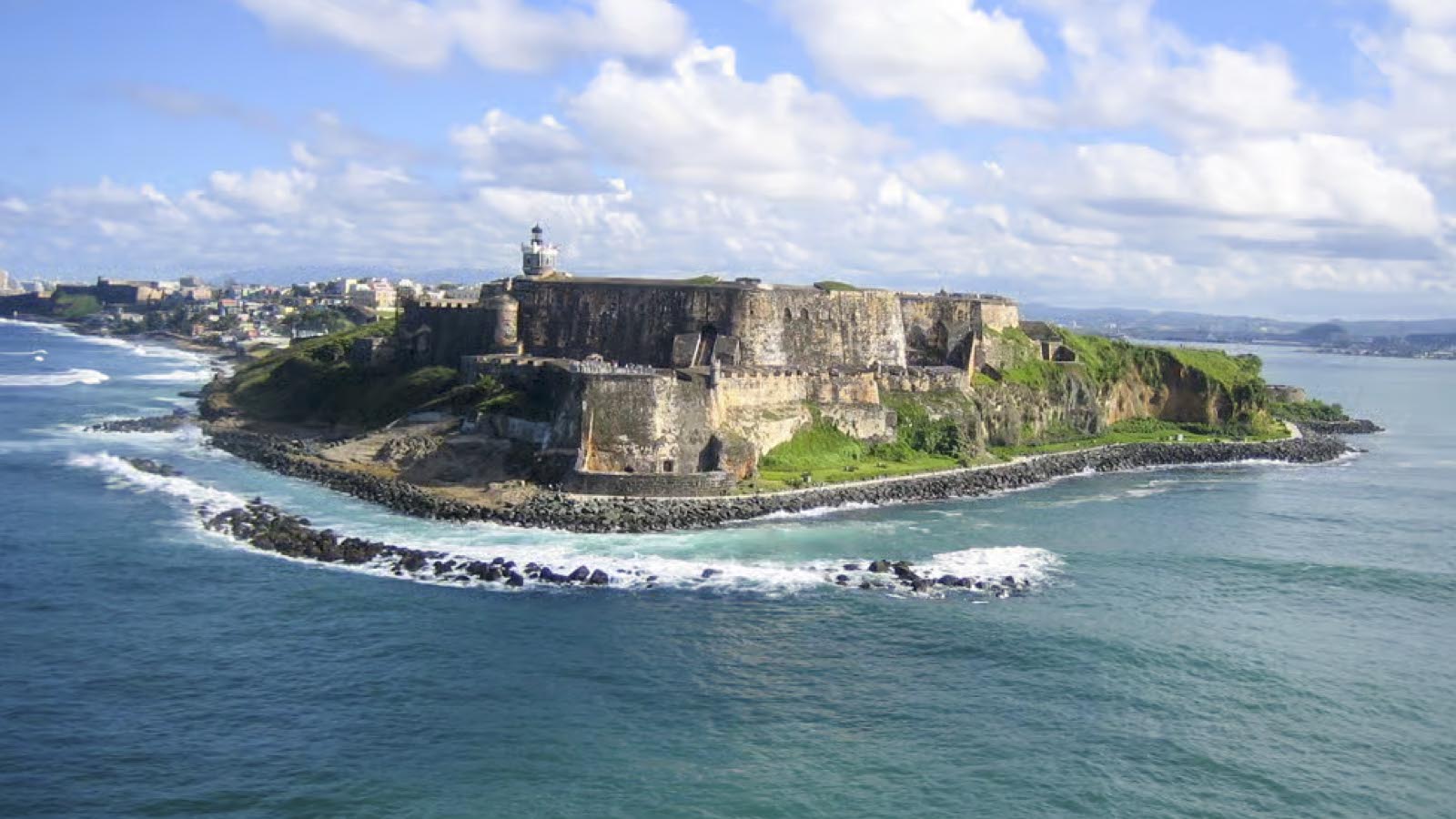
The monumental fortifications around Old San Juan reflect the strategic importance of the city during centuries of Caribbean history. El Morro and Castillo San Cristóbal dominate different parts of the historic landscape and provide dramatic views across the coast and harbour.
Exploring these sites adds considerable historical depth to a stay that can otherwise combine beach time, dining and contemporary city experiences.
El Yunque National Forest provides Puerto Rico’s defining rainforest experience, with dense tropical vegetation, waterfalls, rivers and elevated viewpoints in the mountains east of San Juan.
Walking trails and scenic routes allow travellers to experience a completely different environment from the island’s beaches, making El Yunque particularly easy to combine with stays around Río Grande, Luquillo and the east coast.
Puerto Rico offers an extensive variety of beaches, from lively urban stretches around San Juan to quieter coves, surf beaches and undeveloped stretches of coastline elsewhere on the island.
Different coasts provide very different experiences, allowing travellers to choose between swimming, snorkelling, surfing, relaxation and more secluded natural surroundings.
Vieques combines beautiful beaches and protected landscapes with one of Puerto Rico’s most distinctive natural experiences. Mosquito Bay is renowned for its intense bioluminescence, visible when microscopic organisms illuminate the water after dark.
Kayaking through the bay can become one of the highlights of a Puerto Rico journey, while spending several nights on Vieques allows travellers to experience its beaches and relaxed atmosphere beyond a brief excursion.
Culebra offers clear Caribbean waters, coral environments and quiet beaches within a much smaller and more informal island setting. Flamenco Beach is its best-known coastal landscape, but exploring beyond it reveals additional beaches and natural areas.
Snorkelling, swimming and slower island days define the experience, making Culebra particularly attractive to travellers who value simplicity and natural surroundings.
Puerto Rico’s west coast has a strong surfing identity, particularly around Rincón, where beaches and Atlantic swells have created one of the Caribbean’s best-known surf communities.
The region also rewards non-surfers through relaxed coastal towns, beaches and spectacular sunsets, making it one of the island’s strongest areas for independent and slower-paced travel.
Ponce provides an important cultural counterpoint to San Juan through its distinctive architecture, museums and historic centre. Exploring the city reveals another side of Puerto Rican history and regional identity.
The surrounding southern region can also be incorporated into road journeys through smaller communities, coastal landscapes and historic attractions.
Puerto Rico’s mountainous interior offers winding roads, forested landscapes, traditional towns and areas associated with the island’s long history of coffee cultivation.
Visiting working coffee farms and local restaurants provides an opportunity to experience rural Puerto Rico and introduces a cooler, greener environment beyond the coast.
Food is central to Puerto Rican identity and one of the most rewarding ways to experience the island. Traditional cooking incorporates plantains, rice, beans, pork, seafood and richly seasoned dishes developed through centuries of cultural exchange.
Experiences range from simple roadside food and traditional neighbourhood restaurants to sophisticated contemporary kitchens in San Juan that reinterpret local ingredients and flavours.
Music forms an essential part of Puerto Rican culture, with salsa, reggaeton and traditional styles all contributing to the island’s contemporary identity. San Juan provides the greatest concentration of nightlife, but music and community celebrations can be encountered throughout Puerto Rico.
Evening experiences can range from sophisticated bars and restaurants to informal venues where music and dancing provide a more direct connection with local culture.
Puerto Rico’s greatest advantage is the ability to combine very different experiences without travelling enormous distances. Historic San Juan, rainforest, mountain landscapes and Caribbean beaches can all form part of the same itinerary.
Adding Vieques, Culebra or the west coast creates even greater contrast and transforms Puerto Rico from a conventional beach destination into a genuinely varied touring experience.
Puerto Rico supports an unusually broad range of Caribbean travel styles because cities, beaches, rainforest and mountain environments can all be combined within one destination. Travellers can build journeys around culture, luxury, nature, food or relaxation without losing the island’s distinctive identity.
The strongest itineraries balance coastal experiences with time exploring Puerto Rican history, communities and landscapes beyond the principal resort areas.
Puerto Rico offers extensive coastal variety, from resort beaches and accessible urban shorelines to quieter natural environments around Vieques, Culebra and the west coast.
This diversity makes it possible to combine different styles of beach travel within the same holiday rather than remaining in one resort environment throughout the journey.
Old San Juan provides exceptional architectural and historic depth for a Caribbean destination, while Ponce and smaller towns reveal additional layers of Puerto Rican identity.
Museums, fortifications, music, festivals and traditional neighbourhoods allow cultural experiences to remain central even when the broader itinerary includes beaches and resorts.
Luxury hospitality is particularly well established around San Juan, Dorado and the east coast, where high-end resorts combine sophisticated accommodation with beaches, golf, wellness and fine dining.
Smaller boutique properties on Vieques and elsewhere provide an alternative form of luxury focused more strongly on privacy, individuality and atmosphere.
El Yunque, mountain landscapes, caves, marine environments and coastal reserves provide extensive opportunities for outdoor exploration beyond conventional Caribbean beach activities.
Hiking, kayaking, snorkelling and other nature experiences allow travellers to engage directly with the island’s exceptional environmental diversity.
Rincón and the west coast provide Puerto Rico’s strongest surfing identity, attracting both experienced surfers and travellers drawn to the relaxed lifestyle that has developed around the sport.
Adventure can also incorporate rainforest hiking, kayaking, ziplining and marine activities, creating active itineraries across several regions.
Puerto Rican food provides a strong connection with the island’s history and cultural identity. Traditional restaurants, local producers, coffee farms and contemporary dining all allow travellers to experience regional flavours in different settings.
Combining food with markets, music and smaller communities creates journeys that feel more immersive than resort-focused stays alone.
Puerto Rico offers couples a strong balance between sophisticated hospitality and more intimate Caribbean experiences. Old San Juan, Vieques, Dorado and Rincón each provide very different romantic settings.
Historic streets, secluded beaches, sunset dining and boutique accommodation allow romantic journeys to combine exploration with relaxation rather than focusing exclusively on resort time.
Beaches, rainforest experiences, historic sites and a broad range of accommodation make Puerto Rico suitable for families seeking variety within one destination.
San Juan and the east coast can be particularly practical bases, while older children may also enjoy outdoor adventures and journeys to Vieques or Culebra.
Vieques and Culebra are particularly rewarding for travellers seeking quieter days and a stronger connection with beaches and natural surroundings. Smaller accommodation and limited development create a noticeably different rhythm from metropolitan San Juan.
Staying several nights rather than visiting briefly allows travellers to appreciate the individuality of each island and experience the Caribbean at a more relaxed pace.
Puerto Rico works exceptionally well as a multi-region destination because the relatively compact main island contains considerable environmental and cultural variation.
San Juan can be combined with the east coast and El Yunque before continuing to Vieques or Culebra, while alternative itineraries can travel west towards Rincón or south towards Ponce and Cabo Rojo.
Puerto Rico can be visited throughout the year, although December to April generally provides comparatively drier conditions, lower humidity and particularly comfortable weather for beaches and outdoor exploration.
The period from May to November tends to be hotter and wetter, while the Atlantic hurricane season runs from June through November. Travellers visiting during this period should monitor forecasts and maintain suitable flexibility in their plans.
Puerto Rico is a United States territory, so international visitors are subject to the same United States immigration and entry requirements that apply according to their nationality and individual circumstances.
Travellers from eligible Visa Waiver Program countries may require an approved ESTA, while other visitors may require a United States visa. Requirements can change, so travellers should always check current official United States entry regulations before departure.
Puerto Rico has well-established tourism areas and receives visitors throughout the year, particularly in San Juan and the principal coastal destinations.
Travellers should use normal precautions regarding personal belongings and transport, while visitors undertaking outdoor activities should also pay attention to weather, sea conditions and local guidance, especially during periods of heavy rain or tropical weather.
The official currency is the United States Dollar, abbreviated as USD.
Credit and debit cards are widely accepted in established tourism areas, although carrying some cash can be useful for smaller restaurants, independent businesses and more remote communities.
A hire car is particularly useful for exploring regions outside metropolitan San Juan, including the west coast, Central Mountains and southern Puerto Rico. Road journeys make it possible to combine beaches, rainforest and cultural destinations relatively easily.
Vieques and Culebra are reached separately by air or ferry services, so travellers planning overnight stays on either island should arrange transport in advance, particularly during busy travel periods.
Seven to ten days provides enough time to combine San Juan with beaches, El Yunque and one additional region while maintaining a comfortable pace.
Ten to fourteen days is particularly rewarding for travellers wishing to include Vieques or Culebra alongside the west coast, southern Puerto Rico or the Central Mountains.
Yes. Vieques and Culebra provide excellent contrasts with San Juan and can be incorporated as overnight destinations rather than simply as day excursions.
Both islands can be reached by short flights or by ferry from Ceiba on Puerto Rico’s east coast. Allowing several nights provides more time to enjoy their beaches, natural surroundings and slower island atmosphere.
Explore a visual glimpse of Puerto Rico through images that capture its historic cities, tropical rainforest, beaches, islands and vibrant Caribbean culture.
Discover the landscapes and experiences that define this colourful and remarkably diverse destination.