Switzerland
Home Destinations Switzerland

Switzerland is one of Europe’s most spectacular destinations, where Alpine peaks, clear lakes and refined cities exist within remarkably close reach of one another. Dramatic mountain scenery combines with historic towns, sophisticated hospitality and an exceptional transport network to create journeys that are both scenic and effortless.
From the Matterhorn above Zermatt and the high mountains of the Jungfrau region to the lakes of Lucerne, Geneva and Lugano, Switzerland offers striking contrasts throughout the year. Panoramic rail journeys, cultural cities, winter sports and summer hiking allow travellers to experience the country in very different ways while maintaining a consistent sense of quality, scenery and place.
Switzerland offers an exceptional range of accommodation across historic cities, lakeside settings and mountain resorts. Elegant grand hotels, contemporary luxury properties, traditional Alpine hotels and intimate boutique stays allow travellers to experience very different environments within a relatively compact destination.
The country is especially well suited to multi-centre itineraries, with rail journeys allowing accommodation choices to follow the changing landscape from cities and lakes to increasingly dramatic Alpine surroundings.
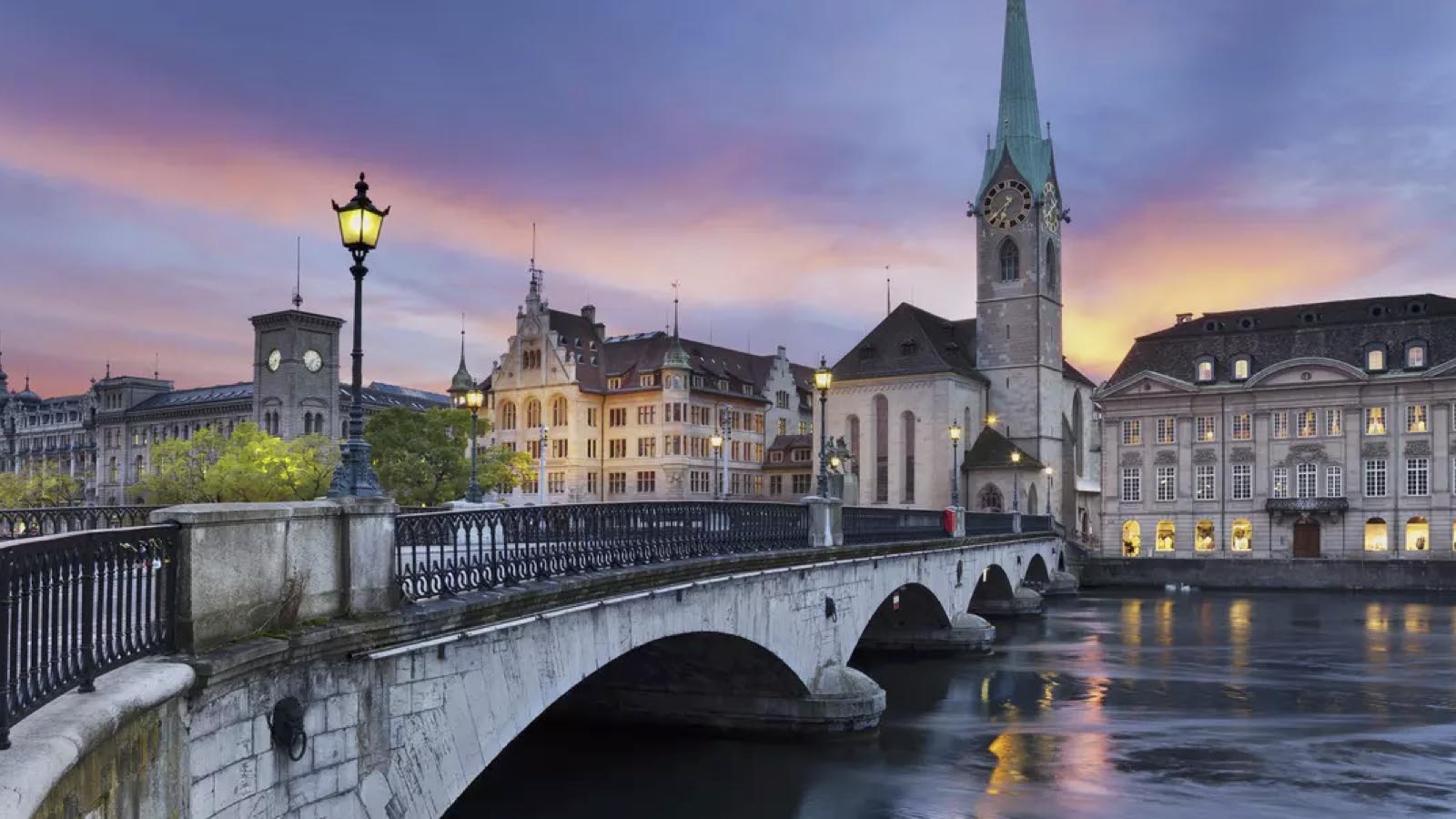
Zurich combines historic architecture, contemporary culture, shopping and dining with the natural setting of Lake Zurich. Its compact old town and sophisticated urban atmosphere make it both an important gateway and a rewarding destination in its own right.
Accommodation ranges from landmark luxury hotels and historic properties to contemporary boutique and lifestyle hotels, with excellent transport connections for onward journeys across Switzerland.
Lucerne is one of Switzerland’s most atmospheric cities, positioned beside Lake Lucerne and surrounded by mountain scenery. Its historic centre, waterfront and famous Chapel Bridge create a particularly picturesque urban environment.
Accommodation includes grand lakeside hotels, boutique properties and mountain retreats in the surrounding region, making Lucerne ideal for travellers wishing to combine city exploration with excursions to nearby peaks and the lake.
Interlaken lies between Lakes Thun and Brienz and provides one of the principal gateways to the Bernese Alps. The town connects naturally with Grindelwald, Lauterbrunnen, Wengen and other mountain communities in the Jungfrau region.
Accommodation ranges from established grand hotels and modern properties in Interlaken to Alpine resorts and traditional mountain hotels positioned closer to hiking, skiing and high-altitude excursions.
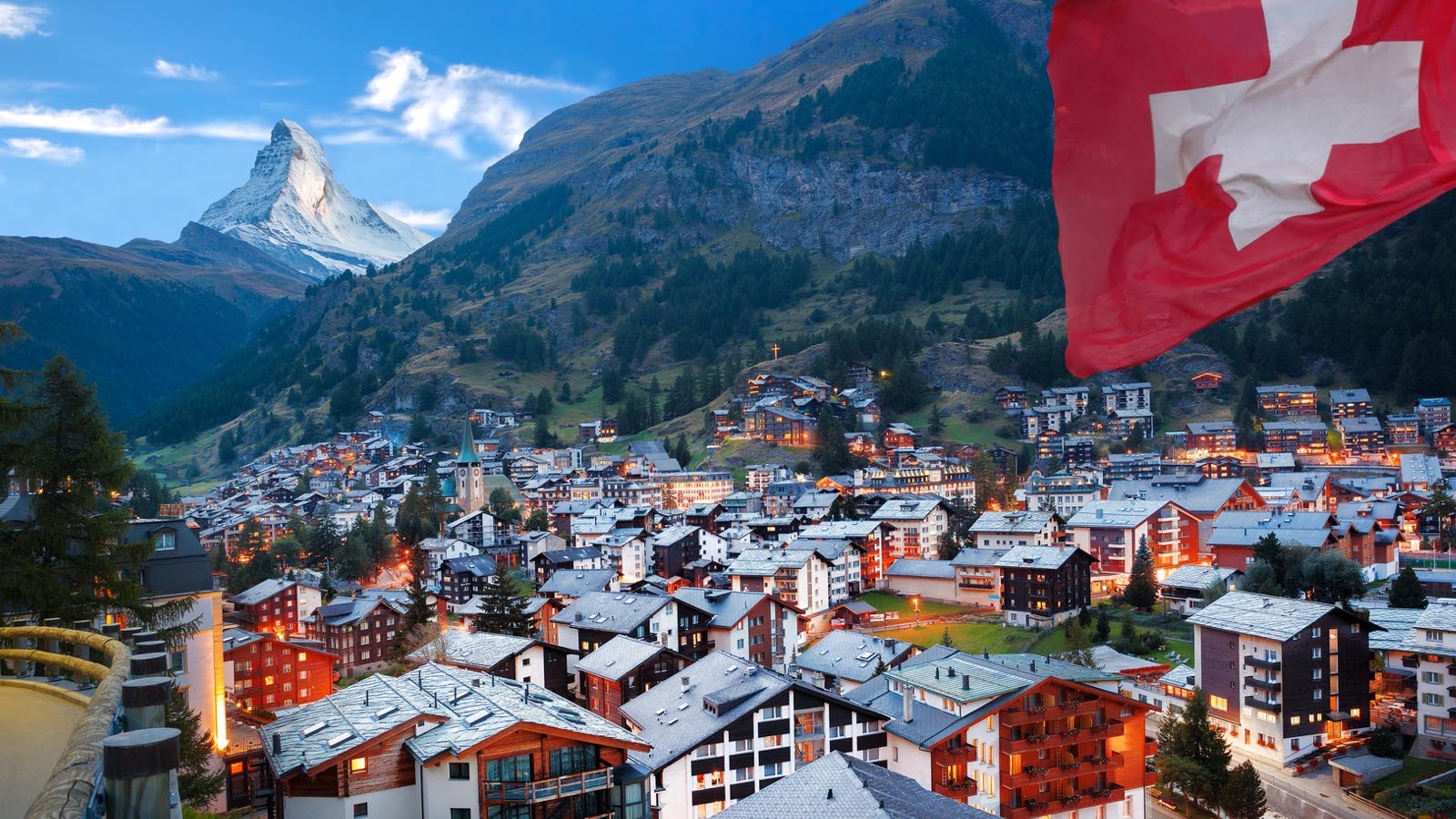
Zermatt is one of Switzerland’s most iconic mountain destinations, positioned beneath the unmistakable Matterhorn. The car-free village combines traditional Alpine atmosphere with sophisticated restaurants, excellent hotels and exceptional access to mountain scenery.
Accommodation ranges from historic luxury hotels and refined resorts to chalets and boutique Alpine properties. Zermatt is equally compelling in winter and summer, with skiing, hiking and mountain railways shaping the experience throughout the year.
Montreux occupies a beautiful setting on Lake Geneva, where vineyards, mountains and elegant Belle Époque architecture create a distinctive Riviera atmosphere. Nearby Lausanne and the Lavaux vineyard terraces add culture and scenery to the wider region.
Accommodation includes historic grand hotels, sophisticated lakeside properties and boutique stays with views across the water towards the Alps.
St. Moritz is one of Switzerland’s most celebrated Alpine resorts, surrounded by the lakes and mountains of the Engadin valley. The destination combines long-established luxury hospitality with skiing, hiking, wellness and refined mountain living.
Accommodation ranges from legendary grand hotels to contemporary Alpine resorts and smaller properties throughout the Engadin, making the region suitable for both active and highly indulgent stays.
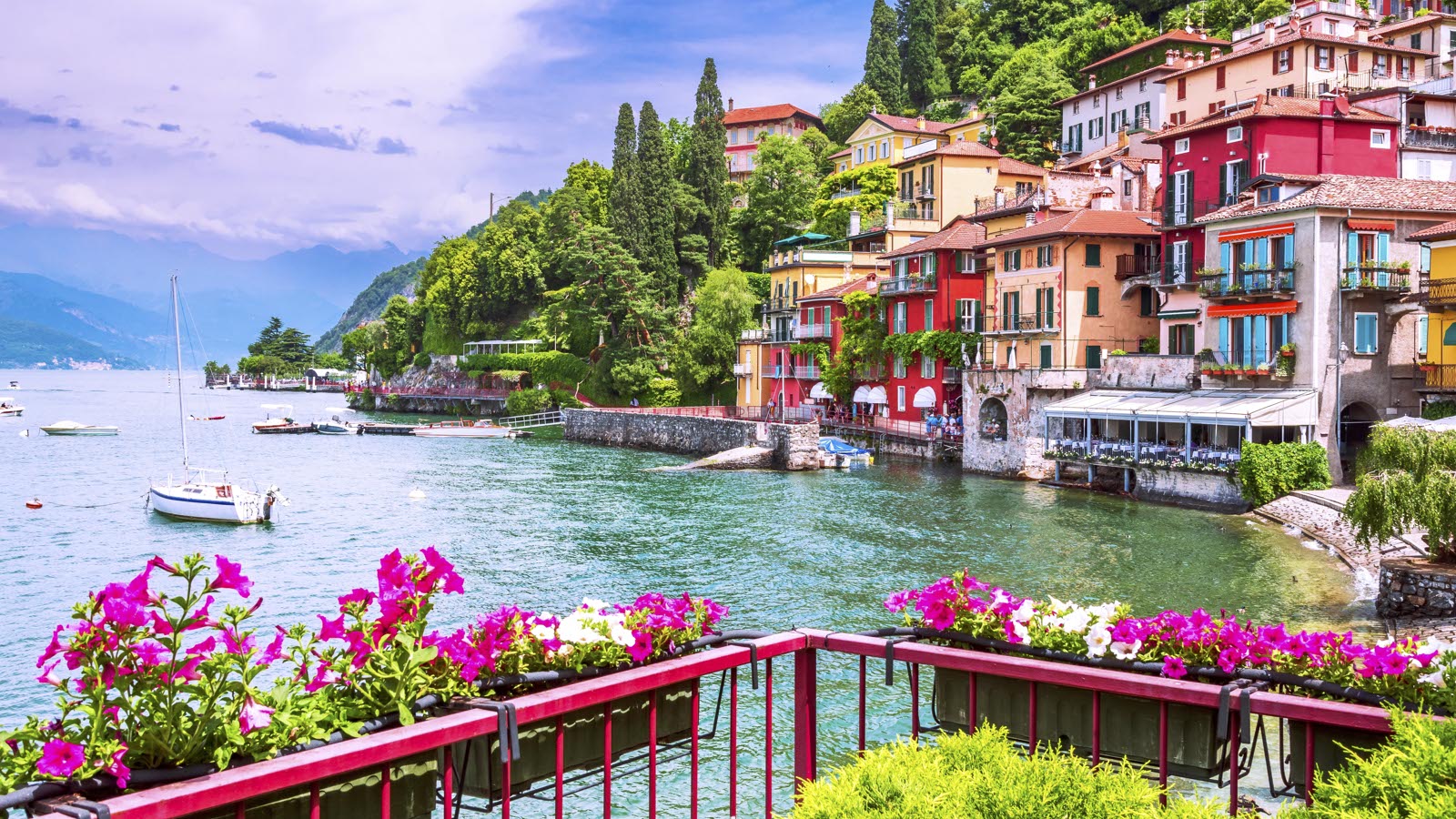
Lugano introduces a noticeably different atmosphere, combining Swiss organisation with Italian language, architecture, cuisine and lakeside lifestyle. Palm-lined promenades and surrounding mountains give Ticino an almost Mediterranean character.
Accommodation includes luxury lakeside hotels, boutique city properties and retreats in the surrounding hills, creating an attractive contrast with Switzerland’s more traditionally Alpine destinations.
Geneva, Bern and Basel each offer distinctive city experiences. Geneva combines Lake Geneva with an international atmosphere, Bern preserves an exceptionally coherent historic centre, and Basel is particularly renowned for museums, architecture and culture.
All three cities offer refined urban accommodation and can work either as standalone destinations or as cultural additions to wider rail-based journeys through the country.
Switzerland has a long-established tradition of luxury hospitality, particularly in mountain and lakeside destinations. Historic grand hotels coexist with contemporary resorts where wellness, gastronomy and panoramic scenery are central to the guest experience.
The strongest properties frequently use their location as an essential part of the stay, whether overlooking a lake, positioned beneath major Alpine peaks or providing direct access to skiing and hiking.
Switzerland is exceptionally well suited to itineraries that combine several regions by rail. Zurich or Geneva can provide an urban starting point before travellers continue towards Lucerne, Interlaken, Montreux, Zermatt, St. Moritz or Lugano.
The journey between destinations frequently becomes part of the experience itself, with lakes, valleys, glaciers and mountain passes creating a constantly changing backdrop.
Switzerland can be visited throughout the year, with the ideal period depending on the experience required. June to September is particularly rewarding for hiking, mountain excursions and lakes, while the main winter period from December to March attracts travellers seeking skiing, snow and traditional Alpine atmosphere.
Switzerland has clearly defined seasons, although conditions vary considerably according to altitude and region. Lowland cities generally experience mild to warm summers and cool winters, while high mountain areas remain significantly colder and can retain snow well beyond the winter months.
Swiss National Day is celebrated on 1 August, while regional festivals, Christmas markets, traditional Alpine events and seasonal celebrations take place throughout the year. Local traditions can differ considerably between Switzerland’s German-, French-, Italian- and Romansh-speaking regions.
The official currency is the Swiss Franc (CHF). Cards are widely accepted throughout the country, although carrying some Swiss francs remains useful for smaller purchases and establishments in more remote locations.
Swiss cuisine reflects the country’s regional diversity and neighbouring European influences. Cheese dishes such as fondue and raclette remain iconic, while regional cooking also incorporates Alpine produce, lake fish, meats, pastries and influences from French, German and Italian culinary traditions.
Switzerland offers an exceptional concentration of natural and cultural experiences, combining dramatic mountain environments with lakes, historic towns and sophisticated cities. The country’s highly developed transport network makes it possible to move easily between very different landscapes while enjoying the journey itself.
Outdoor activities form an important part of the destination, but Switzerland is equally rewarding for travellers interested in culture, gastronomy, luxury hospitality and slower scenic exploration.
The Matterhorn is Switzerland’s most recognisable mountain and forms the dramatic backdrop to Zermatt. Travellers can admire it from the village, reach elevated viewpoints by mountain railway and cable car or explore surrounding trails and ski areas.
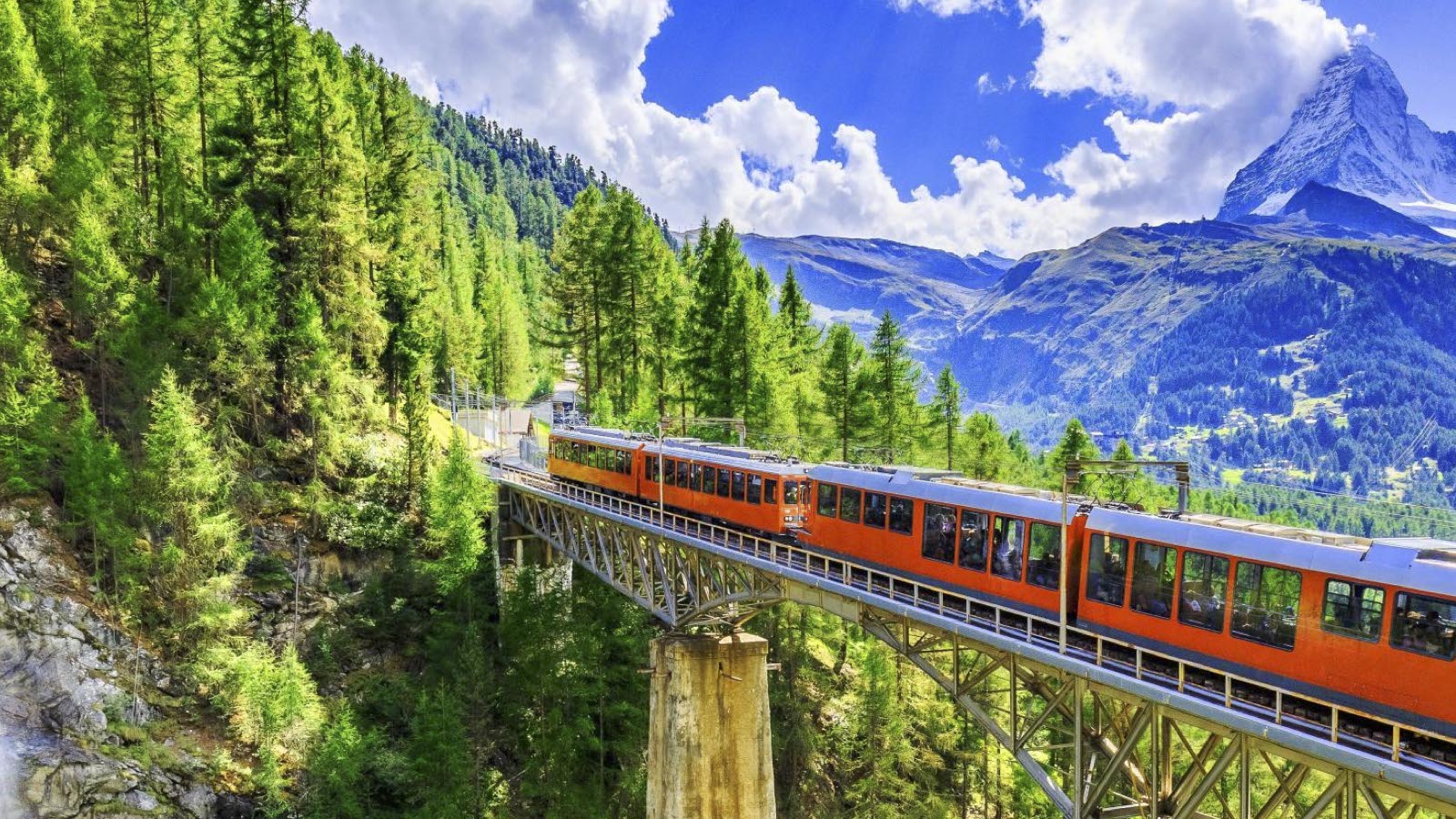
The journey to Gornergrat provides particularly impressive Alpine views, while Zermatt itself combines traditional village character with refined hospitality and a completely car-free centre.
The Jungfrau region contains some of Switzerland’s most celebrated Alpine scenery, with dramatic peaks, glaciers, waterfalls and mountain villages surrounding Interlaken, Grindelwald, Lauterbrunnen and Wengen.
Mountain railways and cable cars provide access to high-altitude viewpoints, while hiking and skiing allow travellers to experience the landscape more actively throughout different seasons.
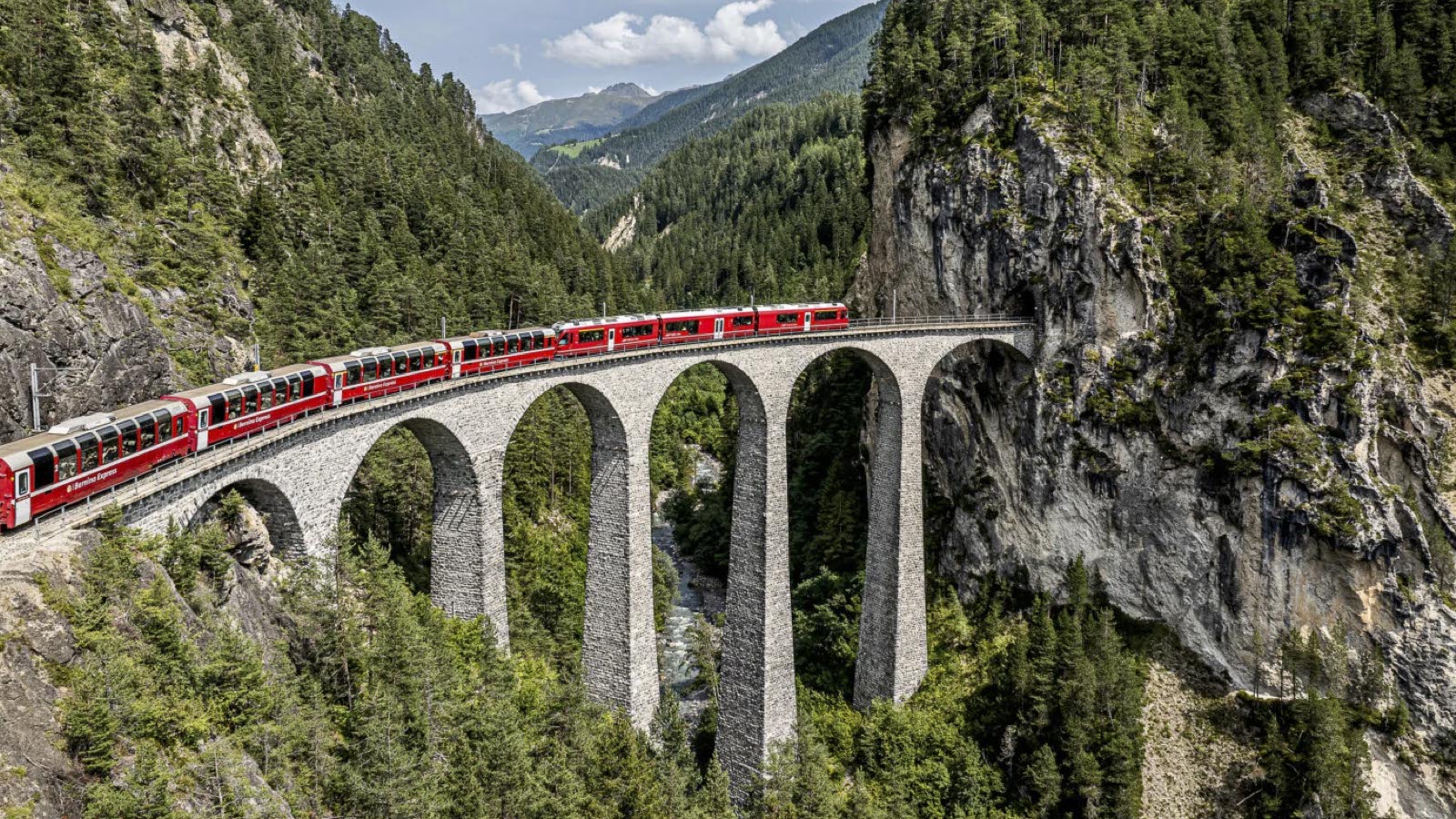
Rail travel is one of Switzerland’s defining visitor experiences. Panoramic routes cross mountain passes, deep valleys and spectacular viaducts while linking many of the country’s most important holiday destinations.
Journeys such as the Glacier Express, Bernina Express and GoldenPass routes allow the transfer between destinations to become one of the visual highlights of the itinerary.
Lucerne combines an attractive historic centre with one of Switzerland’s most beautiful lake settings. Walking across the Chapel Bridge, exploring the old town and travelling by boat provide different perspectives on the city and surrounding mountains.
Nearby peaks such as Pilatus and Rigi can be incorporated into day excursions, creating an ideal balance between urban atmosphere, lake travel and Alpine scenery.
The Lake Geneva region combines elegant lakeside towns, vineyard landscapes and cultural attractions. Montreux provides a Riviera atmosphere beneath the Alps, while Lausanne, Geneva and the Lavaux vineyards add very different experiences around the lake.
Chillon Castle, lake cruises and journeys through vineyard terraces make the region particularly attractive for travellers seeking scenery alongside culture and food.
St. Moritz has long been associated with refined Alpine travel and winter sports, but the surrounding Engadin valley is equally rewarding in summer. Lakes, mountain trails and picturesque villages create a highly scenic environment.
The region also connects naturally with the Bernina railway, making it especially suitable for itineraries built around both luxury hospitality and panoramic rail travel.
Swiss cities are compact and easily explored, combining historic centres with museums, architecture, shopping and waterfront environments. Zurich offers sophisticated urban culture, Geneva has a distinctly international character, Bern preserves an exceptionally atmospheric old town and Basel has one of the country’s strongest cultural scenes.
City stays can be combined easily with surrounding countryside and mountains, allowing cultural experiences to form part of a broader scenic itinerary.
Switzerland is one of the world’s classic winter destinations, with resorts ranging from internationally recognised centres such as Zermatt and St. Moritz to smaller Alpine villages with strong local character.
Skiing, snowboarding, winter walking, sledging and mountain dining create varied winter experiences, while historic hotels and wellness facilities add a strong leisure and luxury dimension.
Summer transforms the mountains into an extensive network of walking and hiking environments ranging from gentle lakeside trails to demanding high-altitude routes. Mountain railways and cable cars make many scenic areas accessible without requiring advanced mountaineering skills.
Walking allows travellers to experience Alpine meadows, glaciers, lakes and villages at a slower pace while creating a particularly strong connection with the landscape.
Ticino provides a distinctive southern perspective on Switzerland, where Italian language and culture combine with lakes, mountains and a warmer atmosphere. Lugano and surrounding communities offer promenades, historic centres and easy access to scenic viewpoints.
The region creates a particularly effective contrast when combined with central or high-Alpine Switzerland, revealing the country’s considerable cultural as well as geographical diversity.
Regional food provides another way to understand Switzerland’s diversity, from raclette and Alpine cheeses in Valais to Italian-influenced cooking in Ticino and French culinary traditions around Lake Geneva.
Chocolate, local wines, mountain restaurants and traditional village dining can all become part of the journey, particularly when travelling slowly between different regions.
Switzerland’s greatest strength lies in the ease with which contrasting experiences can be combined. A traveller can move from an elegant city to a lakeside town and then into dramatic high-Alpine scenery without requiring complicated logistics.
This makes the country particularly rewarding for itineraries where the changing landscape and the journeys between destinations are as important as individual attractions.
Switzerland supports a remarkable variety of travel styles because its mountains, lakes and cities can be combined so efficiently. Travellers can focus on winter sports, luxury hospitality, panoramic rail journeys or cultural exploration while still experiencing several contrasting regions.
The destination is particularly strong for travellers who value scenery, high-quality infrastructure and journeys where the route between places becomes part of the experience itself.
Switzerland has one of Europe’s longest traditions of luxury hospitality, particularly in Zermatt, St. Moritz, Geneva, Zurich, Lucerne and the Lake Geneva region. Historic grand hotels coexist with highly refined contemporary resorts and wellness retreats.
Luxury travel here is frequently defined by location as much as service, with lake views, mountain panoramas and direct access to Alpine experiences becoming essential parts of the stay.
Panoramic rail journeys are among Switzerland’s most distinctive travel styles. Routes through the Alps allow travellers to experience glaciers, mountain passes, lakes and traditional villages without needing to drive.
Combining several rail journeys with stays in destinations such as Zermatt, St. Moritz, Interlaken, Montreux and Lucerne creates a particularly elegant and immersive way to explore the country.
Switzerland is synonymous with Alpine winter holidays, offering internationally renowned skiing alongside snow-covered villages, mountain restaurants and sophisticated après-ski environments.
Winter travel can also focus on wellness, scenic railways, snowshoeing and mountain excursions, making the country attractive even to visitors who do not intend to ski.
During warmer months, hiking and mountain exploration become central to the Swiss travel experience. Trails range from gentle scenic walks to demanding Alpine routes, with extensive railways and cable cars providing access to high elevations.
Cycling, climbing, lake activities and other outdoor experiences create additional possibilities for active travellers across very different regions.
Mountain villages, historic hotels, lakeside promenades and panoramic rail journeys create naturally romantic settings throughout Switzerland. Zermatt, Lucerne, Montreux and the Engadin are particularly well suited to couples seeking atmosphere alongside scenery.
Romantic journeys can combine sophisticated dining and wellness with outdoor exploration, making Switzerland appealing for honeymoons, anniversaries and special occasions throughout the year.
Wellness has a strong connection with Switzerland’s historic resort culture, particularly in mountain and lakeside destinations. Spa hotels, thermal experiences and tranquil natural surroundings create opportunities to combine active days with restorative stays.
This style of travel works particularly well in Alpine regions, where scenery and fresh mountain environments become part of the overall sense of wellbeing.
Zurich, Geneva, Basel, Bern and Lausanne offer museums, galleries, architecture, historic centres and sophisticated dining within cities that remain relatively compact and easy to explore.
The proximity of lakes and mountains means urban stays can often incorporate nature excursions without requiring a separate long-distance journey.
Switzerland is particularly suitable for families because of its reliable transport, mountain railways and broad range of outdoor activities. Lakes, easy walking routes, winter sports and scenic train journeys can appeal across different age groups.
Multi-centre itineraries can also create variety without requiring difficult road journeys, allowing families to experience cities, mountains and lakes at a comfortable pace.
Switzerland rewards travellers who allow time for the journeys between destinations. Panoramic trains, lake boats and regional railways create a slower style of exploration where landscape is continuously visible throughout the trip.
Combining cities, Alpine villages and lakeside destinations produces a journey with considerable variety while maintaining exceptionally strong continuity and straightforward logistics.
Switzerland is a year-round destination. Summer is particularly rewarding for hiking, mountain excursions and lakes, while winter is ideal for skiing, snow activities and traditional Alpine experiences.
Spring brings green landscapes and generally quieter travel conditions, while autumn offers colourful scenery and a particularly attractive atmosphere in rural and vineyard regions.
Visa requirements depend on nationality, passport type and length of stay. Switzerland participates in the Schengen area, and some travellers can visit for short stays without obtaining a visa in advance while others require a Schengen visa.
Entry requirements can change, so travellers should always confirm current regulations through the Swiss authorities or the appropriate Swiss diplomatic representation before departure.
Switzerland has extensive tourism infrastructure and well-developed transport services throughout its principal cities and holiday regions.
Travellers should follow normal precautions with belongings and pay particular attention to weather, avalanche conditions and official guidance when hiking, skiing or undertaking activities in high mountain environments.
The official currency is the Swiss Franc, abbreviated as CHF.
Credit and debit cards are widely accepted throughout the country, although carrying some Swiss francs can be useful for smaller purchases and businesses in more remote locations.
Switzerland has an extensive and highly integrated public transport network combining trains, regional railways, buses, boats and mountain transport. Many major tourism destinations are therefore easily accessible without a car.
Panoramic rail services also allow travellers to incorporate spectacular scenic journeys into transfers between regions, making public transport an important part of the overall travel experience.
Seven to ten days allows travellers to combine several contrasting destinations such as Zurich or Lucerne, Interlaken and Zermatt while allowing sufficient time for mountain excursions.
Ten to fourteen days or longer is particularly rewarding for more extensive rail journeys incorporating destinations such as Montreux, St. Moritz, Lugano and additional Alpine or lakeside regions.
Yes. Switzerland is exceptionally well suited to rail-based multi-centre travel because cities, lakeside destinations and Alpine resorts are connected through an extensive public transport network.
Routes can combine Lucerne, Interlaken, Montreux, Zermatt, St. Moritz and Lugano while incorporating panoramic trains, allowing the journeys themselves to become an important part of the holiday.
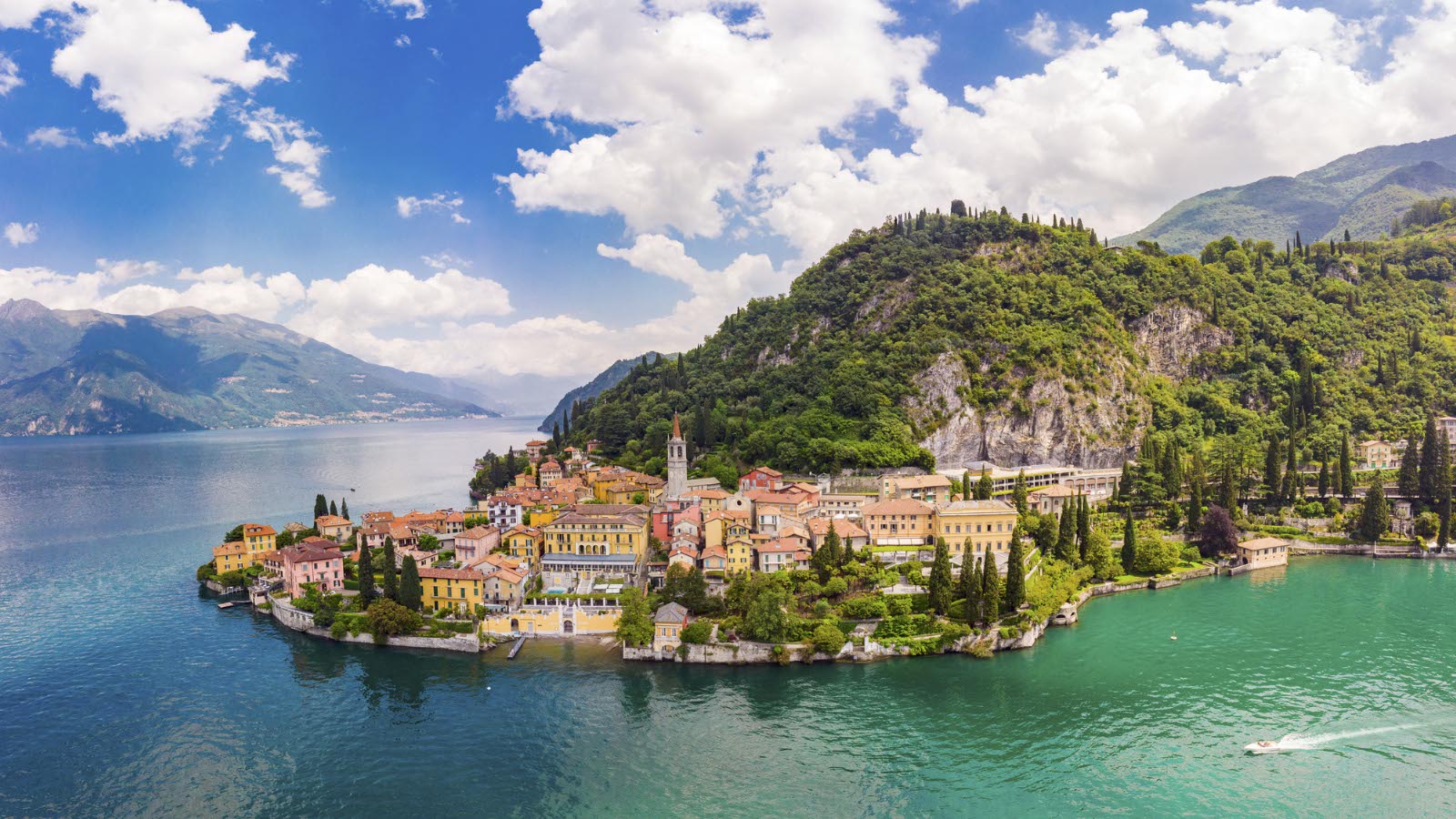
Explore a visual glimpse of Switzerland through images that capture its Alpine peaks, lakes, historic cities, mountain villages and spectacular rail journeys.
Discover the landscapes and destinations that define this exceptionally scenic and diverse European country.