United Kingdom
Home Destinations United Kingdom

The United Kingdom brings together four distinctive nations within one remarkably varied destination, combining historic cities, royal heritage, dramatic countryside and extensive coastlines. England, Scotland, Wales and Northern Ireland each contribute their own landscapes, traditions and cultural identities, allowing travellers to experience significant contrasts within a single journey.
From London’s celebrated landmarks and Edinburgh’s historic streets to the Scottish Highlands, Welsh mountains, English countryside and the Causeway Coast of Northern Ireland, the United Kingdom rewards both cultural exploration and scenic touring. Castles, country estates, museums, literature, music and regional food add further depth to a destination that can be experienced in countless different ways.
The United Kingdom offers an exceptional variety of accommodation ranging from landmark city hotels and sophisticated boutique properties to historic country houses, traditional inns, castles and remote rural retreats. The style of stay can change dramatically between regions, becoming an important part of a broader touring experience.
The country is particularly well suited to multi-centre itineraries, with major cities connected efficiently by rail while a car or private touring arrangement can provide greater freedom through rural areas, mountains and coastlines.
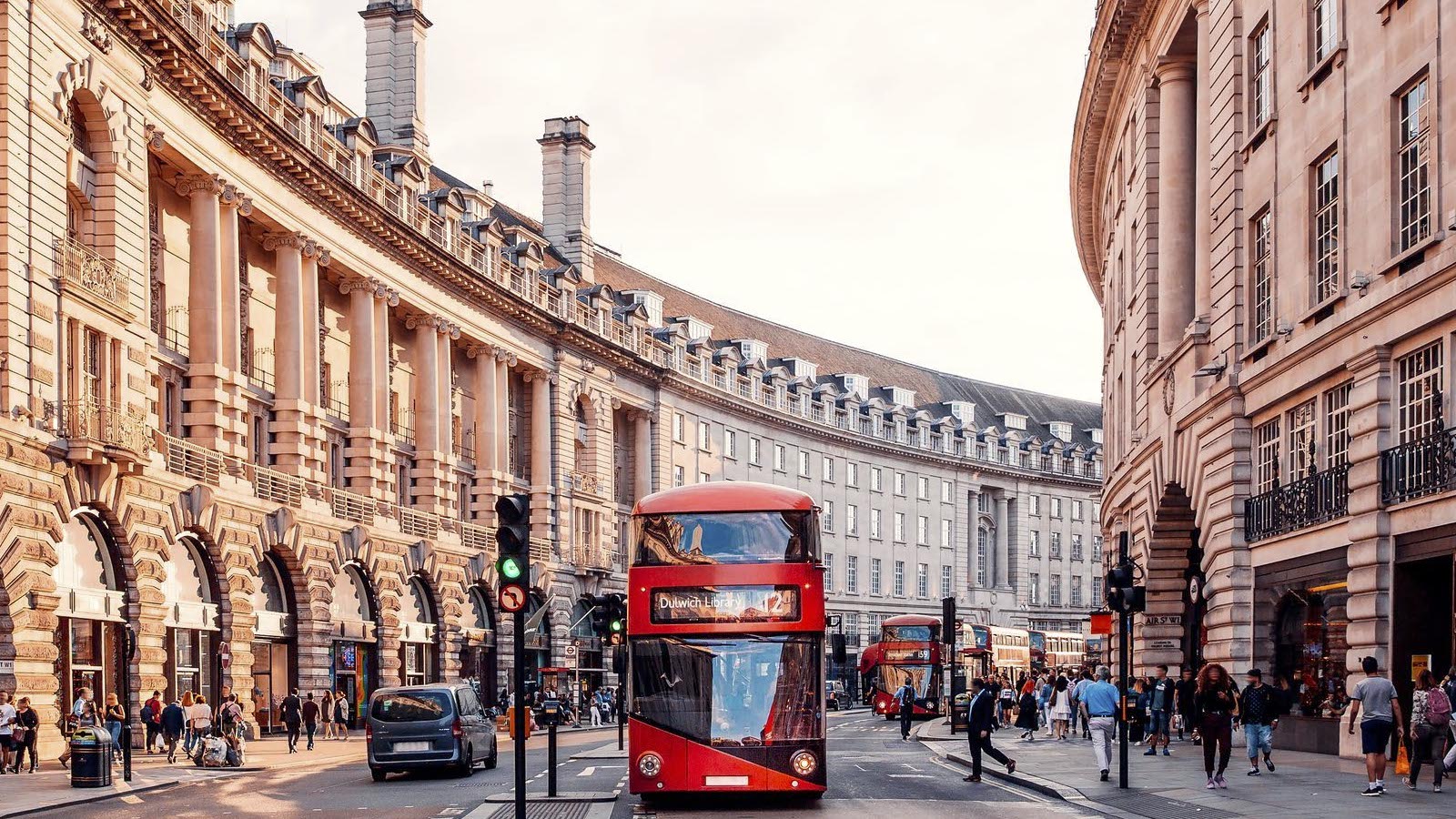
London is the United Kingdom’s principal international gateway and one of the world’s great cultural capitals. Different neighbourhoods provide noticeably different experiences, from the landmarks and grand hotels of Westminster and Mayfair to the theatres of the West End and the more residential atmosphere of areas such as Kensington and Chelsea.
Accommodation ranges from internationally celebrated luxury hotels and historic properties to contemporary lifestyle hotels and intimate boutique stays. The city can support anything from a short introduction to a longer cultural journey focused on museums, theatre, shopping, dining and local neighbourhoods.
Bath, Oxford and the Cotswolds form one of England’s most rewarding combinations of architecture, history and countryside. Bath is renowned for its Roman heritage and Georgian streets, while Oxford offers historic colleges and centuries of academic tradition.
The surrounding Cotswolds provide stone villages, rolling countryside and elegant rural accommodation. Historic inns, manor-house hotels and country estates make this region particularly suitable for romantic, luxury and slower-paced journeys.
York offers one of England’s most atmospheric historic city experiences through medieval streets, city walls and the monumental York Minster. The city also provides a convenient base for exploring surrounding countryside and travelling between London and Scotland.
Accommodation includes historic hotels, boutique properties and smaller character stays, while nearby Yorkshire landscapes provide country-house accommodation and rural retreats.
The Lake District combines mountains, lakes and historic villages within one of England’s most celebrated natural landscapes. Walking, boating and scenic drives allow travellers to experience the region at a much slower pace than the country’s major cities.
Accommodation ranges from sophisticated country-house hotels and spa properties to traditional inns and intimate rural stays overlooking lakes or surrounded by countryside.
Edinburgh is one of Europe’s most visually distinctive capitals, combining medieval streets, Georgian architecture and dramatic views from its elevated historic setting. The Royal Mile, Edinburgh Castle and extensive cultural scene make the city an essential component of many UK itineraries.
Accommodation includes grand historic hotels, contemporary luxury properties and boutique stays throughout the Old and New Towns, making Edinburgh particularly effective as both a cultural destination and gateway to wider Scotland.
The Scottish Highlands offer some of the United Kingdom’s most dramatic scenery, with mountains, glens, lochs and extensive areas of sparsely populated countryside. Inverness provides a useful regional gateway, while destinations further west and north create increasingly remote experiences.
Accommodation includes country lodges, historic estates, castle hotels, small inns and luxury rural retreats. Longer itineraries can incorporate islands such as Skye, where landscapes and coastal scenery become central to the stay.
Cardiff combines the energy of the Welsh capital with historic sites, cultural venues and convenient access to landscapes beyond the city. South Wales also offers castles, valleys and coastal environments within relatively short travelling distances.
Accommodation ranges from sophisticated city hotels to country properties and smaller regional stays, making Cardiff an effective introduction to Wales before travelling into more rural areas.
North Wales is characterised by mountains, castles, historic towns and a dramatic coastline. Eryri National Park provides outstanding scenery, while destinations such as Conwy add impressive medieval heritage.
Accommodation includes traditional inns, country hotels, boutique properties and mountain retreats, appealing particularly to travellers interested in walking, scenic touring and historic landscapes.
Belfast combines maritime heritage, Victorian and Edwardian architecture and an increasingly vibrant cultural and dining scene. The city provides both a distinctive urban experience and a convenient gateway to wider Northern Ireland.
Accommodation ranges from landmark city hotels and luxury properties to contemporary boutique stays, with the compact centre making many principal attractions easy to combine.
The Causeway Coast offers dramatic Atlantic landscapes, historic sites and coastal communities, with the Giant’s Causeway forming its best-known natural landmark. Scenic driving routes reveal cliffs, beaches and rural countryside throughout the region.
Accommodation includes coastal hotels, country houses, historic properties and smaller locally operated stays that allow travellers to experience the quieter character of Northern Ireland beyond Belfast.
Historic accommodation is one of the United Kingdom’s most distinctive hospitality experiences. Country estates, manor houses, castles and centuries-old inns can transform an overnight stay into a direct connection with the destination’s architectural and cultural heritage.
These properties are found throughout England, Scotland, Wales and Northern Ireland and can add considerable atmosphere to itineraries otherwise built around larger city hotels.
The United Kingdom works particularly well when several contrasting regions are combined. London can lead north by rail towards York and Edinburgh, while western routes can incorporate Bath, the Cotswolds or Wales. Scotland can then be extended into the Highlands, while Northern Ireland works well as a separate Belfast and Causeway Coast combination.
This approach allows cities, countryside, heritage and coastline to develop progressively throughout the journey without requiring every destination to offer the same style of experience.
Late spring and early autumn are particularly rewarding for touring, with comfortable conditions, attractive countryside and generally less pressure on major destinations than during the peak summer period. Summer provides the longest days and is especially popular for rural, coastal and outdoor travel.
The United Kingdom has a temperate but highly variable climate influenced strongly by the Atlantic. Southern and eastern areas are generally warmer and drier than western and northern regions, while upland areas of Scotland and Wales can experience noticeably cooler and wetter conditions. Travellers should be prepared for changing weather throughout the year.
Public holidays vary slightly between the four nations, while an extensive calendar of cultural festivals, sporting events and seasonal celebrations takes place throughout the year. Edinburgh’s summer festivals, Christmas markets and numerous regional events can strongly influence atmosphere and accommodation availability.
The official currency is Pound Sterling (GBP). Cards and contactless payments are extremely widely accepted, although carrying a small amount of cash can remain useful for certain markets, smaller businesses and rural locations.
The United Kingdom has a remarkably diverse dining culture, ranging from historic pubs and regional cooking to international cuisine and internationally recognised fine dining. Local specialities differ significantly between regions, with seafood, cheeses, meats, baking, whisky and other produce contributing to distinctive culinary identities.
The United Kingdom offers an extraordinary concentration of history, culture and landscape across its four nations. Travellers can move between world-famous cities, medieval towns, royal residences, castles, mountains and remote coastlines while continuously encountering different regional identities.
Its greatest strength lies in the contrast between experiences, allowing museums and theatre to be followed by countryside, historic estates or dramatic wilderness within the same journey.
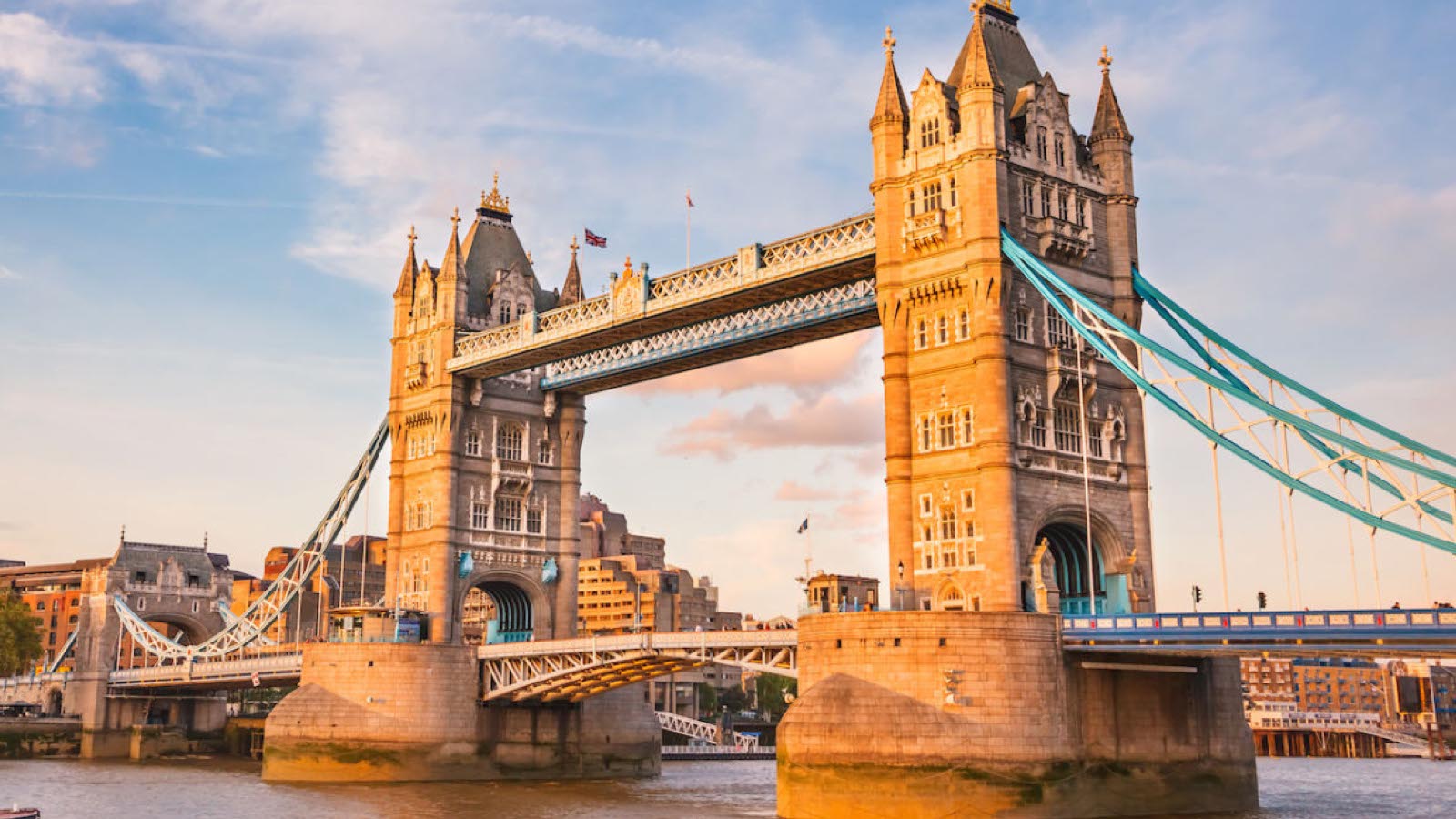
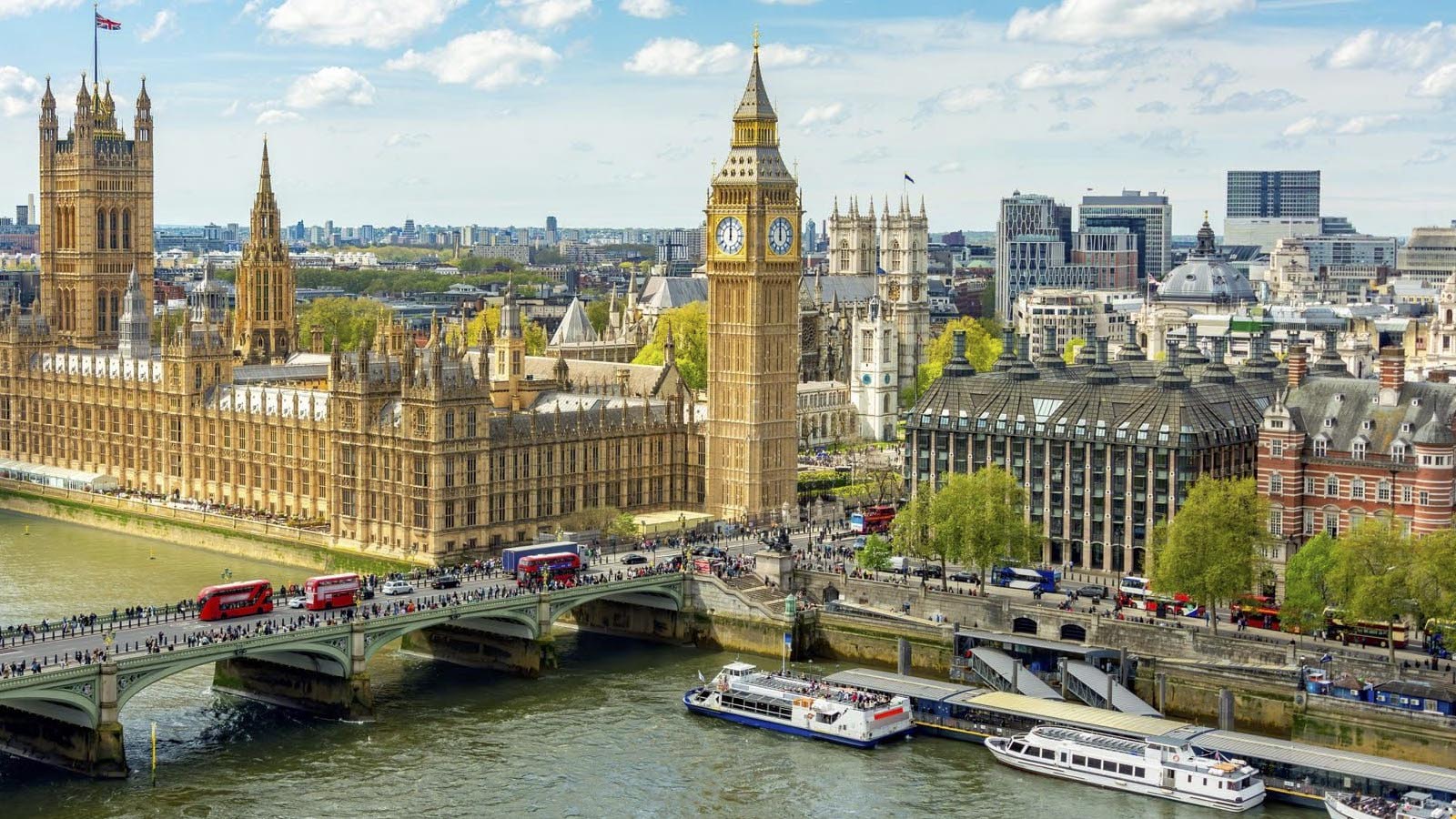
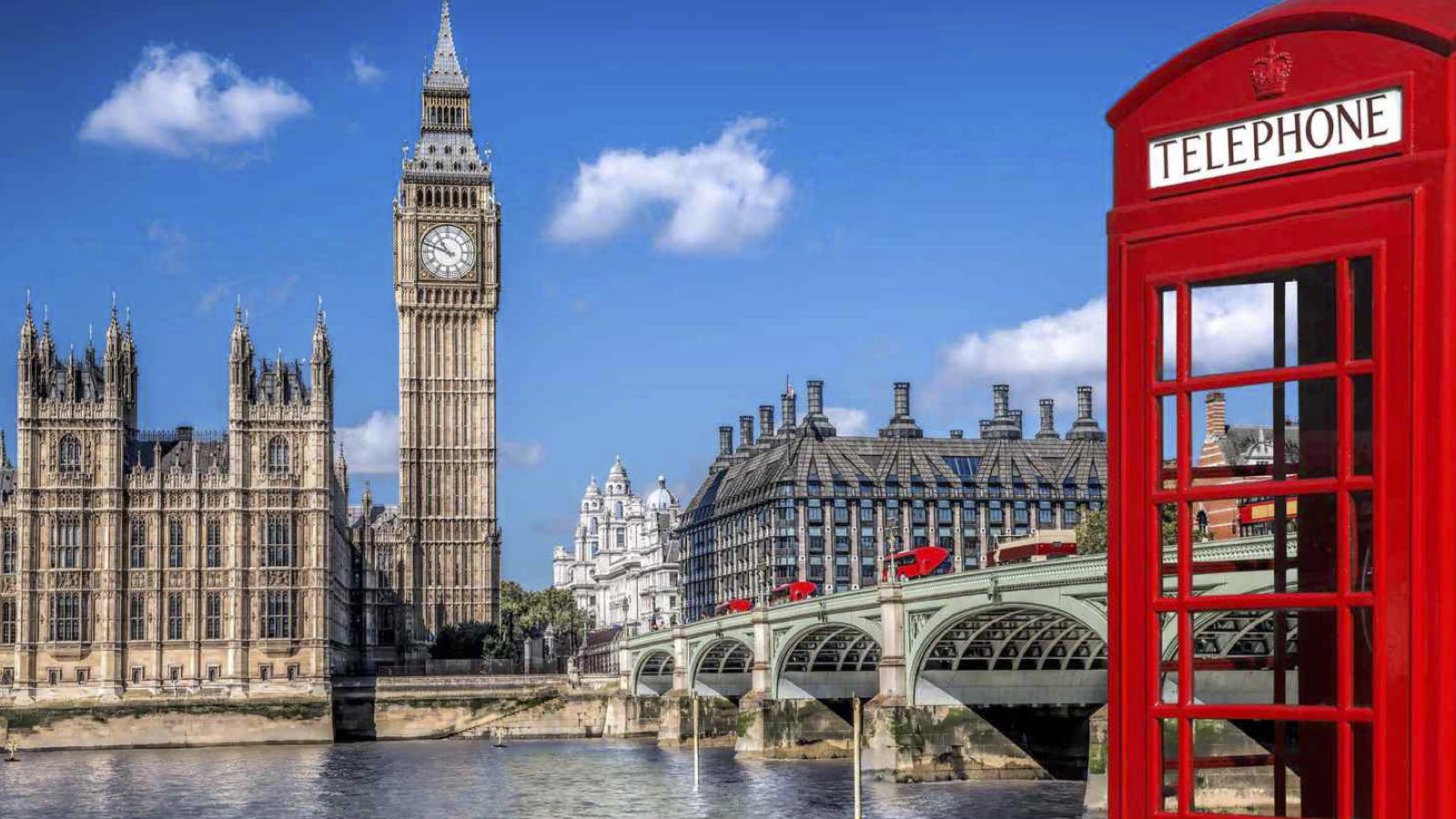
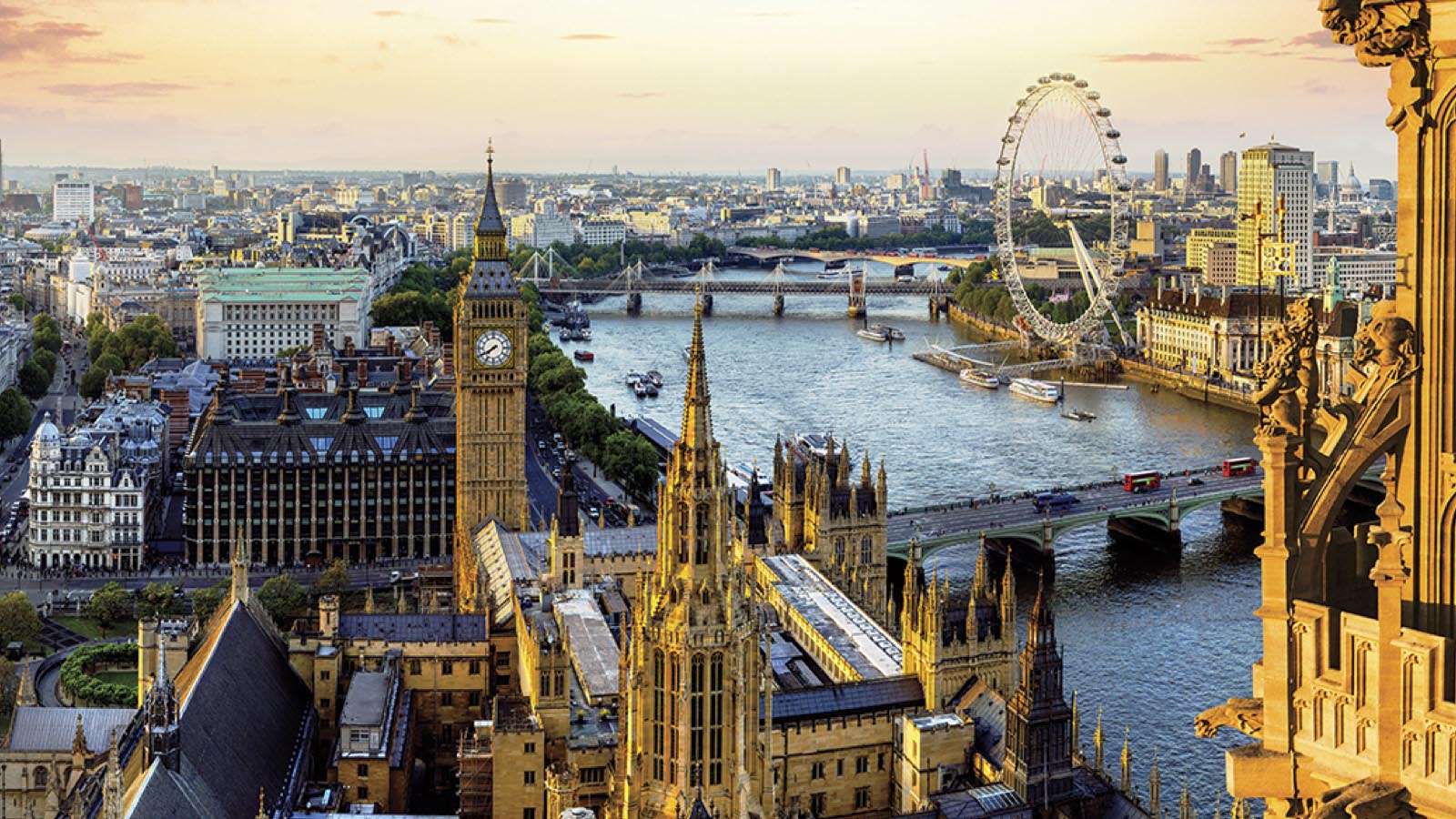
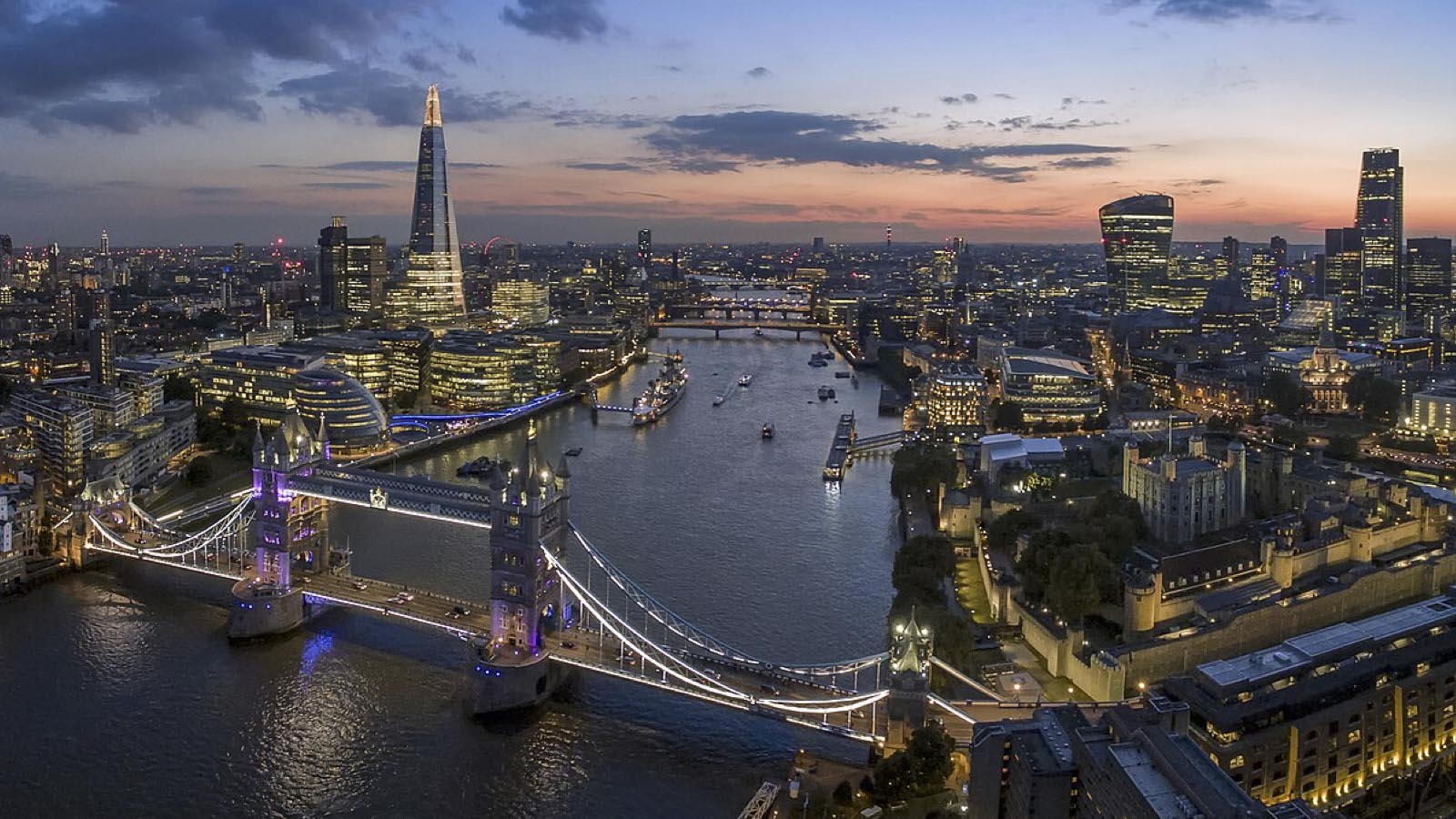
London combines royal landmarks, major museums, historic neighbourhoods and one of the world’s most dynamic cultural scenes. Westminster, the Tower of London, the River Thames and numerous galleries provide a strong introduction, while individual neighbourhoods reveal much more of the city’s contemporary character.
Theatre, dining, markets, shopping and extensive green spaces allow London to support a wide variety of interests, making several days worthwhile even within longer journeys around the United Kingdom.
England contains an extraordinary concentration of historic cities and towns. Bath combines Roman remains with Georgian architecture, Oxford and Cambridge are defined by their historic universities, while York preserves medieval streets and one of Europe’s great Gothic cathedrals.
Castles, cathedrals and country estates add further layers of history, allowing travellers to explore architecture and heritage across many different periods.
The Cotswolds, Lake District, Yorkshire Dales and other rural regions reveal landscapes of villages, hills, lakes and traditional farmland that contrast strongly with Britain’s larger cities.
Walking, scenic drives and stays in historic country properties encourage a slower style of travel where landscape, local food and village life become central to the experience.
Edinburgh offers one of the United Kingdom’s strongest combinations of history and urban atmosphere. The castle dominates the skyline above the Old Town, while Georgian streets and gardens extend through the New Town.
Museums, restaurants and internationally renowned festivals create a sophisticated cultural environment, while the compact centre makes Edinburgh particularly rewarding to explore on foot.
The Highlands provide landscapes of mountains, lochs and glens that feel dramatically removed from the country’s major cities. Scenic routes can incorporate Loch Ness, Glencoe, the west coast and destinations further north.
Walking, wildlife, historic estates and scenic rail or road journeys allow travellers to experience Scotland at a slower and more immersive pace.
Scotland’s islands provide some of the United Kingdom’s most atmospheric landscapes, combining rugged coastlines, mountains, beaches and distinctive local communities. Skye is among the best known, while numerous other islands reward longer journeys.
Island travel is particularly appealing to travellers interested in photography, nature, whisky, walking and places where landscape remains central to daily life.
Wales combines an exceptionally strong castle heritage with mountain and coastal landscapes. Cardiff provides an urban introduction, while North Wales contains impressive medieval fortifications and access to Eryri.
The country’s Welsh language and cultural traditions contribute to a strong sense of identity, ensuring that travelling through Wales feels distinct from neighbouring regions.
Eryri, Bannau Brycheiniog and Pembrokeshire provide opportunities for walking, cycling and outdoor exploration through markedly different landscapes. Mountain valleys contrast with long stretches of rugged coast and beaches.
This combination makes Wales particularly suited to travellers seeking active journeys that can still incorporate historic towns, castles and comfortable rural accommodation.
Belfast has evolved into one of the United Kingdom’s most interesting city-break destinations, with maritime heritage, historic architecture, museums and a lively restaurant and cultural scene.
The city’s industrial and political history provides depth to the visitor experience, while its location makes Belfast a practical base for exploring other parts of Northern Ireland.
The Causeway Coast combines cliffs, beaches, castles and Atlantic scenery along one of Northern Ireland’s most memorable touring routes. The Giant’s Causeway provides the best-known natural landmark, but the surrounding coastline rewards more extensive exploration.
Road journeys can incorporate small communities, historic sites and viewpoints, creating an experience where scenery and local atmosphere become equally important.
Castles and royal residences form an important part of the United Kingdom’s historic identity. They range from major ceremonial sites and medieval fortresses to remote Scottish and Welsh castles surrounded by dramatic landscapes.
Visiting these properties allows travellers to experience architecture, political history and landscaped estates while understanding how different periods shaped the four nations.
Rail travel can be one of the most enjoyable ways to experience the United Kingdom. Intercity trains connect major destinations efficiently, while regional routes cross attractive countryside, coastlines and mountain landscapes.
Journeys through Scotland and northern England can become scenic experiences in their own right, while rail provides an effective way to combine London, York and Edinburgh without requiring a car.
Food and drink provide a valuable way to understand regional identity throughout the United Kingdom. Historic pubs, farmers’ markets, seafood restaurants, afternoon tea and contemporary dining sit alongside strongly regional dishes and ingredients.
Scotland’s whisky traditions, Welsh produce, English regional cooking and Northern Irish food culture add further depth to culinary-focused journeys.
Literature, music, film and television have created another layer of travel experiences across the United Kingdom. Historic writers, celebrated musicians and recognisable filming locations connect towns, landscapes and cities with stories known around the world.
These cultural associations can provide a distinctive theme for journeys while naturally introducing travellers to destinations beyond conventional sightseeing routes.
The United Kingdom is particularly rewarding because very different environments can be combined within one itinerary. A journey can progress from London to historic towns and rural England before continuing towards Scotland, while Wales or Northern Ireland can introduce entirely different landscapes and cultural traditions.
This diversity makes the destination especially suitable for repeat travel, as individual journeys can focus on completely different regions and experiences.
The United Kingdom supports an exceptionally broad range of travel styles because its four nations combine major cities, historic architecture, countryside and coastline within a relatively compact geographical area. Different journeys can focus entirely on heritage, luxury, landscape, gastronomy or culture while still incorporating considerable variety.
Regional identity remains particularly important, with England, Scotland, Wales and Northern Ireland each contributing different traditions, scenery and travel experiences.
The United Kingdom offers exceptional depth for travellers interested in history, architecture and museums. London, Edinburgh, Bath, York, Oxford, Cambridge and numerous smaller towns contain landmarks representing centuries of political, religious and cultural development.
Castles, royal residences, country estates and archaeological sites allow cultural journeys to extend naturally from cities into the countryside.
Luxury hospitality ranges from internationally celebrated London hotels to grand Scottish properties, historic country houses, castle stays and sophisticated rural retreats.
The strongest luxury itineraries combine refined accommodation with landscape and heritage, allowing travellers to move between city hotels and character properties throughout the countryside.
The Cotswolds, Lake District, Yorkshire countryside, Scottish Highlands and rural Wales all encourage slower exploration through walking, scenic drives and stays in smaller communities.
Country inns, historic estates and local food create journeys centred on atmosphere and landscape rather than intensive sightseeing.
Road travel is particularly rewarding in regions where public transport is less frequent, including the Scottish Highlands, North Wales, Cornwall and Northern Ireland’s Causeway Coast.
Driving allows travellers to incorporate viewpoints, villages and smaller historic sites while travelling at a more flexible pace through dramatic scenery.
Britain’s railway network makes many major cities easy to combine without a car. London, Bath, York and Edinburgh can form part of a particularly effective rail itinerary, while numerous regional lines provide scenic journeys through countryside and coastal environments.
Rail travel suits visitors seeking a more relaxed and environmentally conscious style of touring, particularly when combined with longer stays in selected destinations.
The Scottish Highlands, Lake District, Eryri, Pembrokeshire and numerous national parks provide excellent environments for hiking, cycling, water activities and nature-focused exploration.
Outdoor journeys can range from gentle scenic walking to more demanding mountain adventures, allowing different levels of activity to be combined with historic towns and comfortable accommodation.
The United Kingdom’s culinary identity has become increasingly diverse while retaining strong regional traditions. Fine dining, contemporary restaurants and international cuisine coexist with pubs, markets, traditional dishes and local producers.
Whisky regions in Scotland, English vineyards, regional cheeses, seafood and numerous food festivals can all provide themes for more specialised journeys.
Country estates, castles, historic cities and dramatic landscapes make the United Kingdom particularly suited to romantic journeys. Bath, the Cotswolds, Edinburgh, the Scottish Highlands and numerous coastal regions provide especially atmospheric settings.
Historic hotels and countryside retreats can be combined with fine dining, scenic travel and slower itineraries for honeymoons, anniversaries and special occasions.
Britain’s literary, film and television heritage offers a highly distinctive style of cultural travel. Locations associated with celebrated writers, musicians and productions extend across cities, countryside and historic estates.
These journeys can connect cultural interests with broader sightseeing while introducing travellers to landscapes and communities beyond the principal tourism centres.
The United Kingdom offers extensive possibilities for families through castles, museums, historic attractions, outdoor landscapes and entertainment experiences. Major cities provide excellent cultural infrastructure while rural regions create opportunities for active exploration.
Rail connections between cities and the relatively short distances within individual regions make varied family itineraries practical when planned at a comfortable pace.
Combining more than one UK nation creates particularly rewarding journeys because cultural and landscape differences become increasingly apparent as travellers move around the country.
England and Scotland can be linked efficiently by rail, Wales combines naturally with western England, while Northern Ireland can be incorporated through Belfast and the Causeway Coast for an additional and highly distinctive dimension.
The United Kingdom can be visited throughout the year, although late spring and early autumn are particularly attractive for combining city sightseeing with countryside and scenic touring.
Summer provides long daylight hours and a busy calendar of events, while autumn offers attractive rural landscapes and winter is particularly rewarding for museums, theatre, historic cities and festive experiences.
Entry requirements depend on nationality, passport and individual circumstances. Travellers may require a visa or an Electronic Travel Authorisation, known as an ETA, before travelling to the United Kingdom.
Requirements can change, so visitors should always check the latest information through the official UK government service before booking and again before departure.
The United Kingdom has extensive tourism infrastructure and established transport services across its principal cities and visitor regions.
Travellers should follow normal precautions with personal belongings in busy areas and pay attention to local weather and outdoor safety advice when exploring mountains, coastlines and more remote landscapes.
The official currency is Pound Sterling, abbreviated as GBP and represented by the pound symbol £.
Cards and contactless payments are extremely widely accepted, although carrying a small amount of cash can still be useful in certain rural locations and independent businesses.
Major cities are connected by extensive rail and coach networks, making routes such as London, York and Edinburgh particularly straightforward without a car.
A hire car or private touring arrangement can be useful when exploring rural regions such as the Cotswolds, Scottish Highlands, North Wales and remote coastal areas where public transport may be less frequent.
Seven to ten days can combine London with one or two additional destinations, while ten to fourteen days provides greater scope for exploring several regions of England or incorporating Scotland or Wales.
Two to three weeks is more appropriate for travellers wishing to experience several nations and combine cities, countryside and more remote scenic regions at a comfortable pace.
Yes, although sufficient time should be allowed because each nation contains enough attractions and regional variety to justify several days of exploration.
England and Scotland combine particularly easily by rail, Wales can be connected with western England, while Northern Ireland is generally incorporated through flights or ferry connections and works especially well as a Belfast and Causeway Coast itinerary.
Explore a visual glimpse of the United Kingdom through images that capture its historic cities, castles, countryside, mountains and dramatic coastlines.
Discover the places and landscapes that define the distinctive character of England, Scotland, Wales and Northern Ireland.