Zimbabwe
Home All Destinations Zimbabwe

Zimbabwe is one of Southern Africa’s most rewarding destinations, combining remarkable wildlife, dramatic landscapes and important cultural heritage within a country that remains strongly connected to the traditional safari experience. From the power of Victoria Falls to vast national parks and ancient stone ruins, Zimbabwe offers journeys shaped by both nature and history.
Beyond its best-known landmarks, the country reveals remote wilderness, river landscapes, granite hills and welcoming towns that create a diverse and immersive travel experience. Whether combining safari with Victoria Falls or exploring Zimbabwe more extensively, travellers can experience a destination defined by authenticity, scenery and a strong sense of place.
Zimbabwe offers a diverse range of places to stay, from established hotels around Victoria Falls to remote safari camps surrounded by wilderness. Accommodation often forms an important part of the travel experience, particularly within national parks where lodges and camps provide direct access to wildlife and natural landscapes.
The country is particularly well suited to multi-region itineraries combining Victoria Falls with safari areas and, for longer journeys, cultural or scenic destinations further south and east.
Victoria Falls is Zimbabwe’s principal tourism hub and one of the most convenient places to begin or end a journey through the country. The town provides easy access to the waterfall, Zambezi River experiences and a broad range of adventure and leisure activities.
Accommodation ranges from internationally recognised hotels and luxury lodges to boutique properties and smaller guest houses, allowing travellers to choose between resort-style comfort and more intimate stays.
Hwange National Park is one of Zimbabwe’s leading safari destinations, characterised by extensive savannah, woodland and exceptional concentrations of wildlife. Its relative proximity to Victoria Falls makes it particularly suitable for itineraries combining natural landmarks with traditional game viewing.
Accommodation includes safari lodges, tented camps and more remote wilderness properties where wildlife viewing and the surrounding landscape become central parts of the stay.
Mana Pools offers a more remote and adventurous safari atmosphere along the Zambezi River. Its floodplains, riverine woodland and exceptional wildlife create one of Zimbabwe’s most immersive wilderness environments.
Accommodation is typically based around small safari camps and seasonal tented properties, appealing especially to experienced safari travellers and visitors seeking a stronger sense of isolation and connection with nature.
Southern Zimbabwe combines the cultural character of Bulawayo with the striking granite landscapes of Matobo. This region offers a different experience from the country’s major safari areas, balancing wildlife, history and unusual geological scenery.
Travellers can choose between city hotels, countryside lodges and properties positioned close to Matobo National Park, making the region a rewarding addition to broader Zimbabwe itineraries.
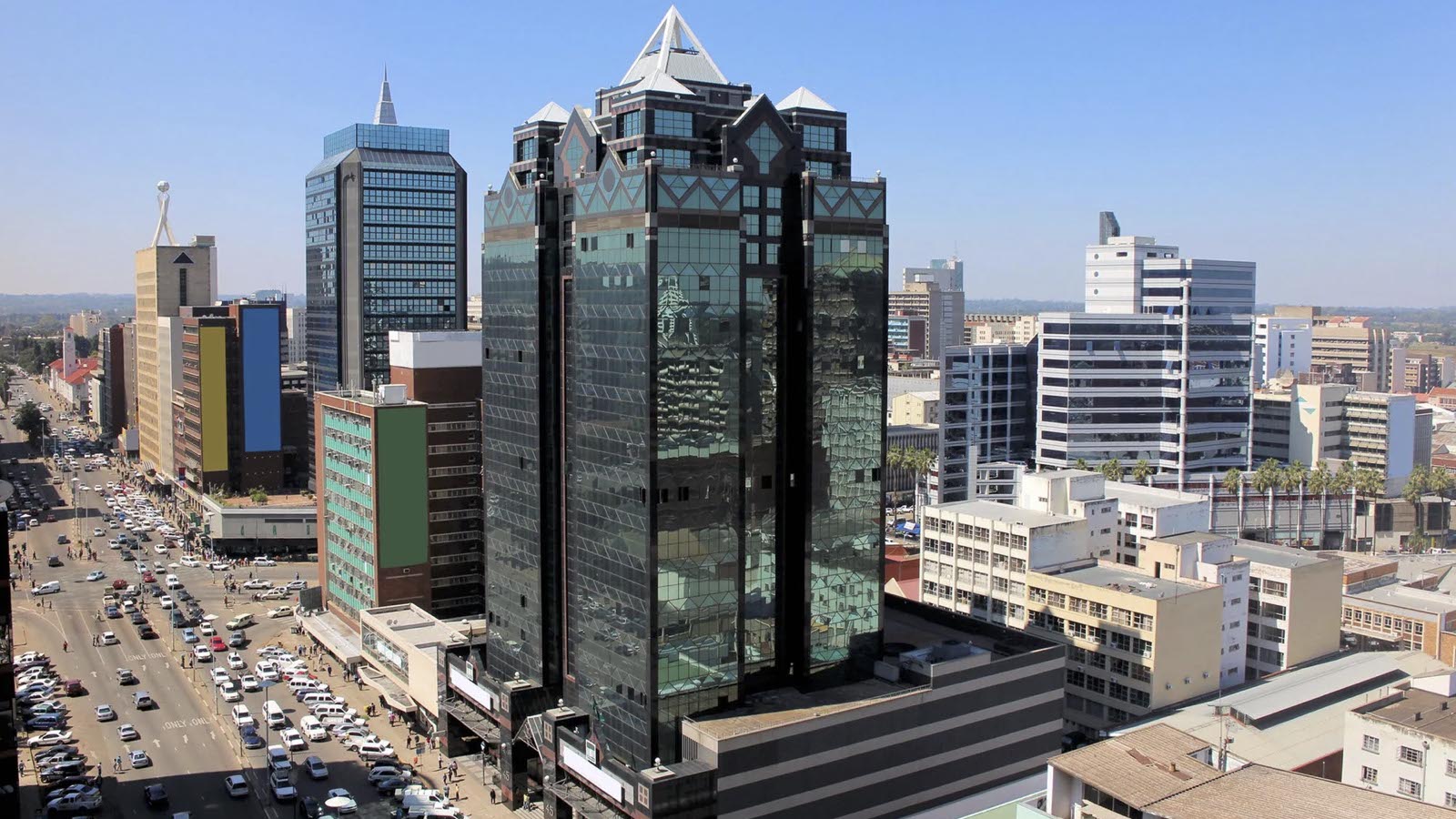
Harare is Zimbabwe’s capital and principal commercial centre, offering an urban contrast to the country’s wilderness destinations. The city can serve as an important gateway for journeys towards eastern and northern regions of the country.
Accommodation includes international-style hotels, boutique properties and smaller guest houses suited to both short transit stays and travellers wishing to experience contemporary Zimbabwean city life.
The Eastern Highlands reveal a greener and more mountainous side of Zimbabwe, with forests, waterfalls and elevated landscapes creating a noticeably different atmosphere from the country’s savannah regions.
Accommodation tends towards smaller hotels, country lodges and nature-focused retreats, making this region particularly attractive for travellers interested in scenery, walking and slower-paced exploration.
Safari accommodation is one of Zimbabwe’s defining travel experiences. Many lodges and camps are positioned in remote environments where wildlife viewing begins directly from the property and daily activities are organised around the rhythm of the wilderness.
Luxury in these areas is often expressed through privacy, guiding quality, location and personalised service rather than conventional resort infrastructure.
Zimbabwe is especially rewarding when different regions are combined within a single itinerary. Victoria Falls and Hwange form a natural pairing, while longer journeys can incorporate Mana Pools, Matobo, Great Zimbabwe or the Eastern Highlands.
This structure allows accommodation to become part of the journey itself, creating contrasts between rivers, savannah, historic landscapes and more remote wilderness environments.
The dry season from approximately May to October is generally the most popular period for safari travel, as vegetation becomes thinner and wildlife increasingly gathers around permanent water sources. Victoria Falls follows its own seasonal rhythm, with higher water levels earlier in the year and clearer views as water levels gradually fall.
Zimbabwe has distinct wet and dry seasons, with generally warm conditions throughout much of the country. The cooler dry months can bring pleasant daytime temperatures but noticeably cold mornings and evenings, particularly in elevated areas.
Zimbabwe hosts national celebrations, cultural festivals and local events throughout the year, offering opportunities to experience music, food and traditions alongside the country’s natural attractions.
Zimbabwe uses the Zimbabwe Gold, known as ZiG, while foreign currencies including US Dollars are also used for many transactions. Travellers should carry some cash and confirm accepted payment methods in advance, particularly when visiting remote areas.
Zimbabwean cuisine combines traditional dishes with regional Southern African influences and international cooking. Safari lodges commonly provide meals as part of the stay, while Victoria Falls, Harare and Bulawayo offer a broader selection of restaurants and dining styles.
Zimbabwe offers a diverse African travel experience where iconic natural landmarks, wildlife and cultural heritage can all form part of the same journey. Travellers can move from the Zambezi River and Victoria Falls into vast safari landscapes before discovering ancient ruins, granite hills and quieter highland environments.
The country is particularly rewarding for travellers who value wildlife, outdoor exploration and destinations where natural surroundings remain central to the overall travel experience.
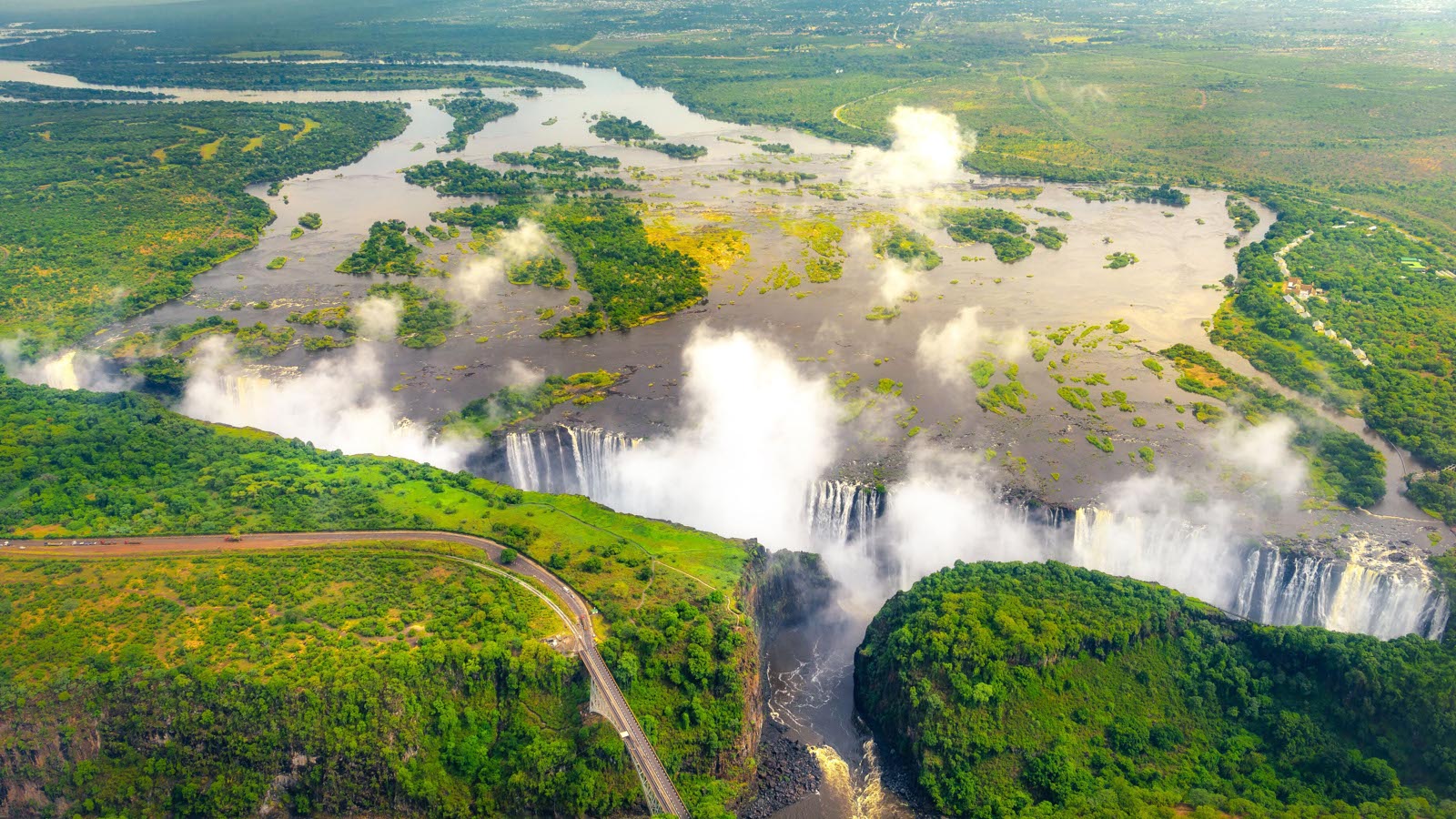
Victoria Falls is Zimbabwe’s most famous natural landmark and one of Africa’s most spectacular landscapes. The Zambezi River plunges into a dramatic series of gorges, creating powerful spray, rainforest environments and constantly changing viewpoints throughout the year.
Travellers can experience the falls from walking trails and viewpoints while also exploring the surrounding river landscape through cruises, scenic flights and a wide range of adventure activities.
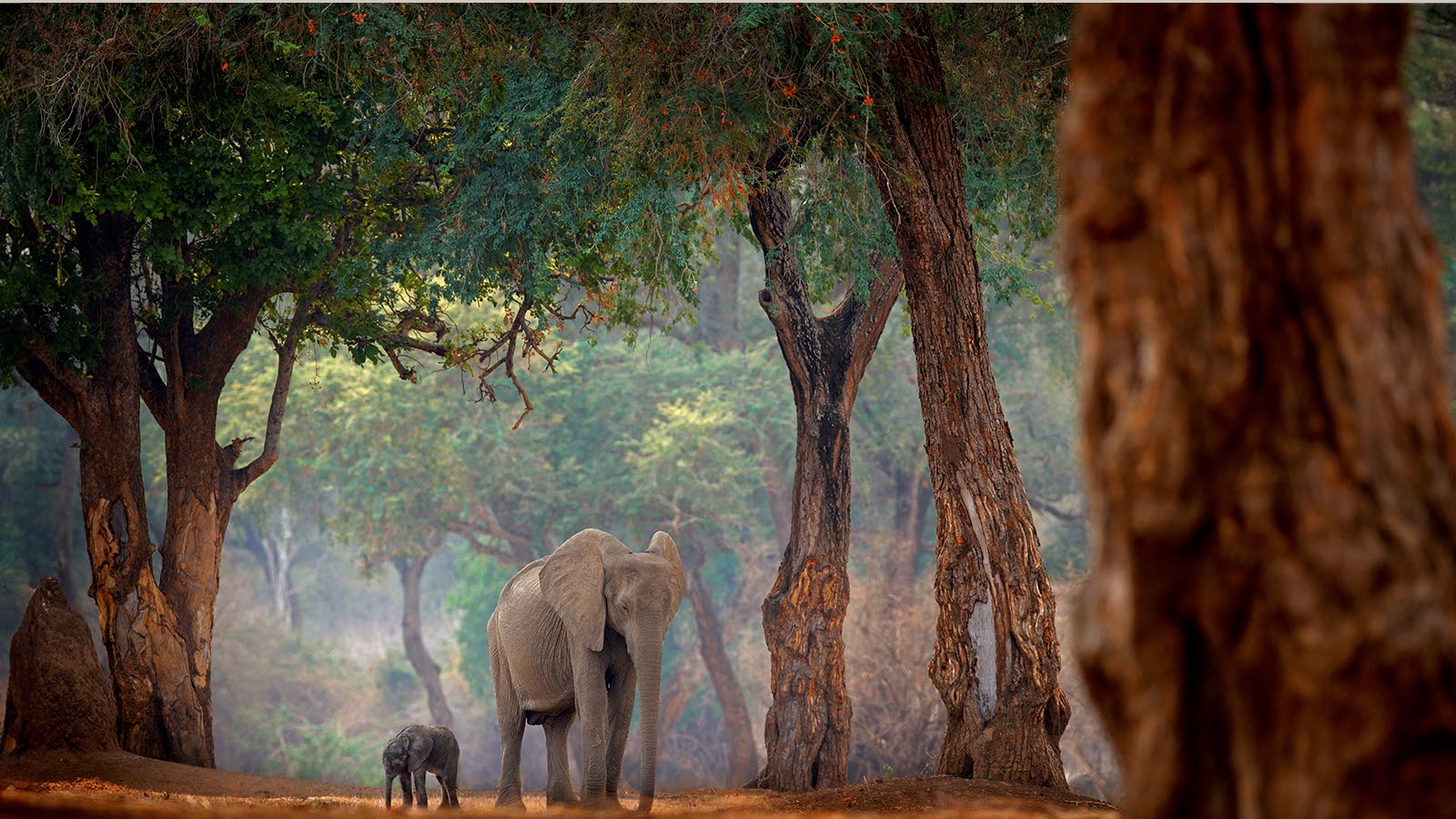
Hwange is Zimbabwe’s largest national park and one of its most important wildlife destinations. Extensive savannah and woodland support elephants, predators and a remarkable diversity of other wildlife, creating classic game-viewing experiences.
Game drives and lodge-based safari activities allow travellers to explore different habitats while experiencing the quiet and expansive atmosphere that defines Zimbabwe’s wilderness areas.
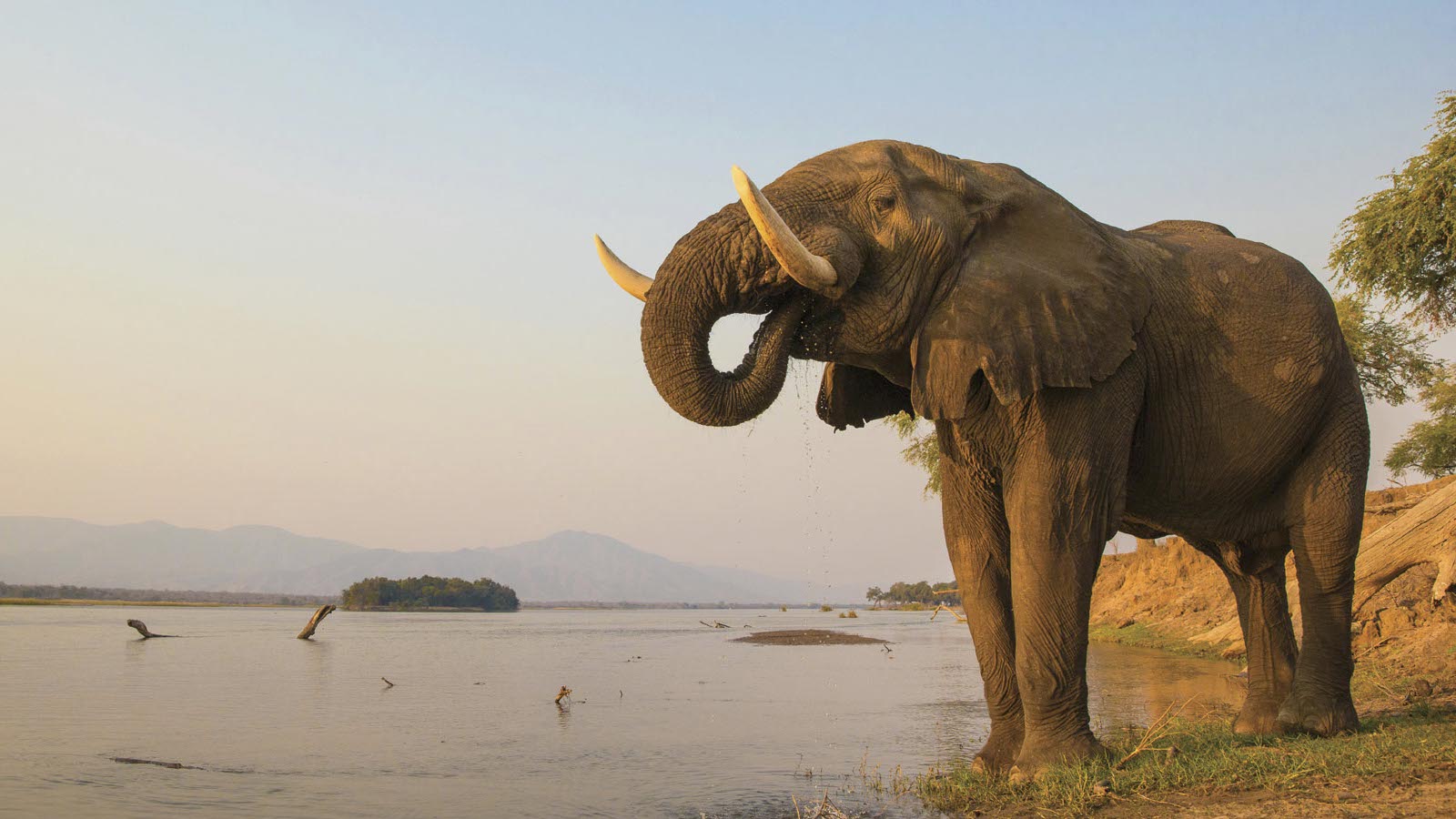
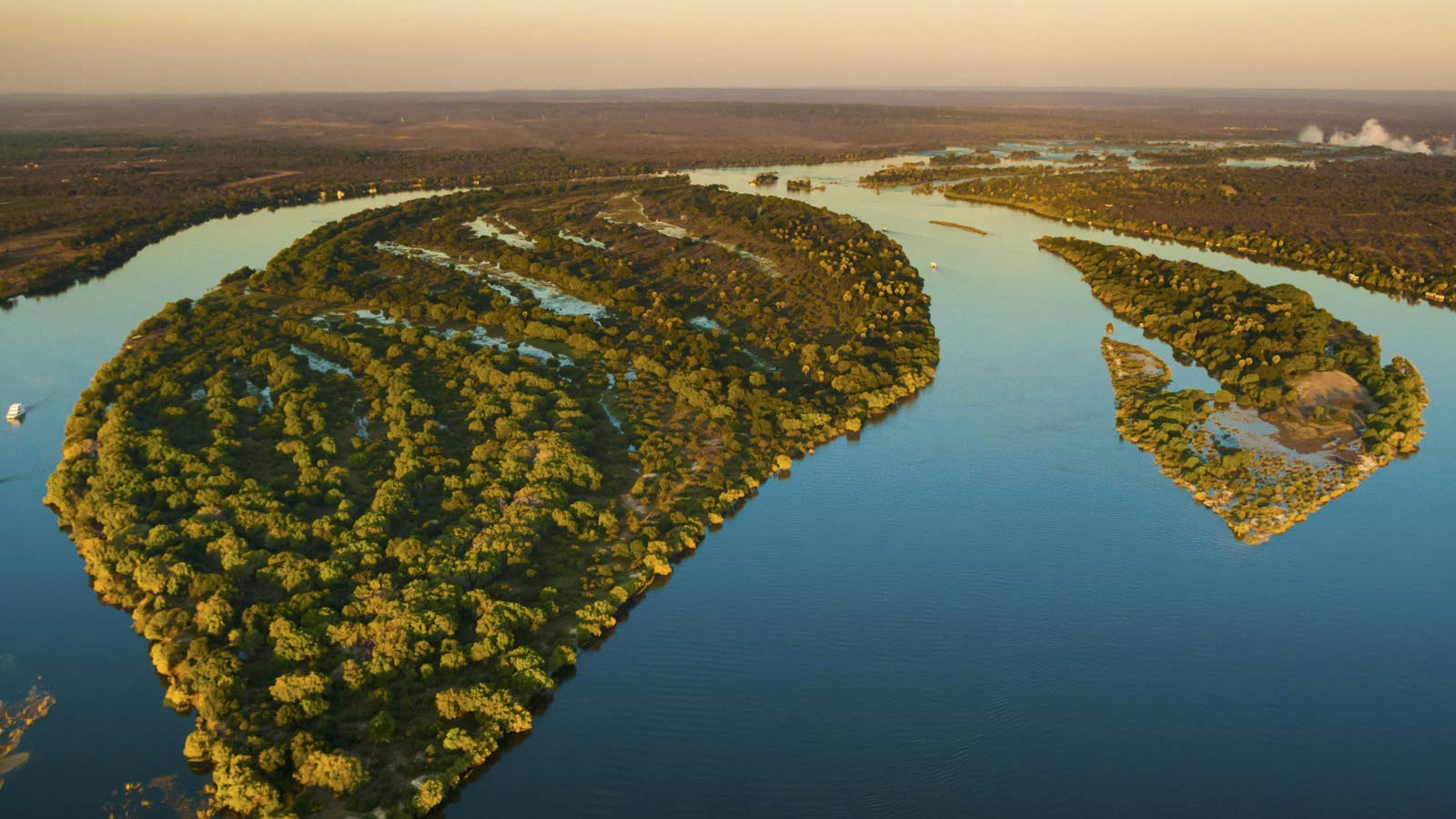
Mana Pools provides one of Zimbabwe’s most remote and immersive safari experiences. Located along the Zambezi River, the park combines floodplains, woodland and abundant wildlife within a landscape internationally recognised for its natural importance.
Walking safaris, game viewing and canoe-based experiences create a particularly close connection with the environment, making Mana Pools especially appealing to adventurous and experienced safari travellers.
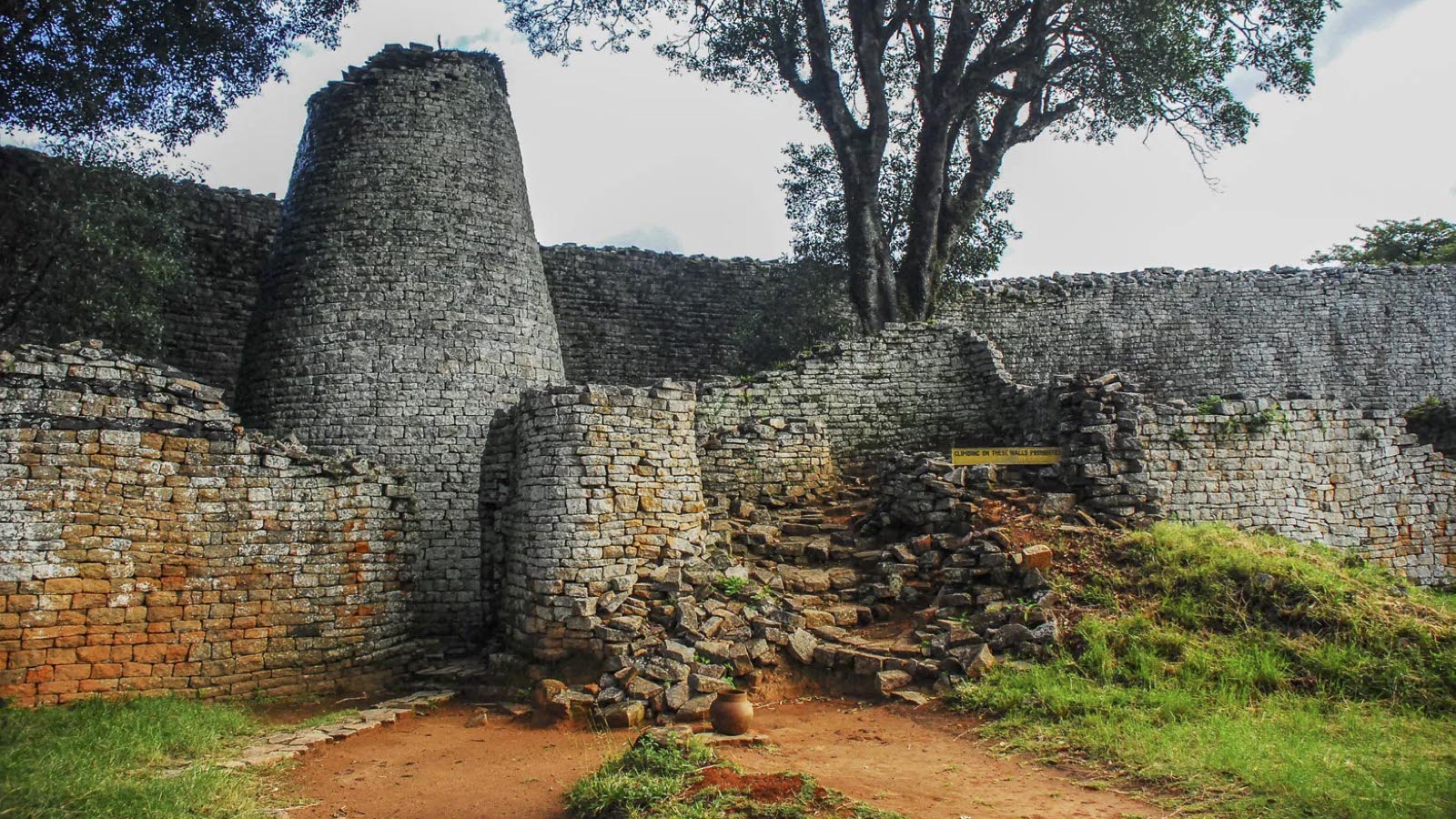
The archaeological site of Great Zimbabwe reveals an important part of the country’s history through impressive stone structures created by a sophisticated African civilisation. The ruins provide a cultural dimension that contrasts strongly with Zimbabwe’s better-known wildlife experiences.
Visiting the site allows travellers to understand more about the historical identity of the country while exploring one of Southern Africa’s most significant archaeological landscapes.
Matobo is defined by extraordinary granite formations, balancing rocks and sweeping landscapes that create one of Zimbabwe’s most visually distinctive regions. Wildlife, cultural heritage and scenic exploration can all be combined within the same area.
The region offers a quieter and more reflective travel experience, providing an appealing contrast to larger safari parks and the activity surrounding Victoria Falls.
Zimbabwe’s rivers and lakes create opportunities for boating, fishing, wildlife viewing and relaxed scenic travel. The Zambezi is particularly important to the country’s tourism identity, connecting Victoria Falls with wilderness regions further downstream.
Lake Kariba offers another distinctive environment where water, wildlife and sunsets create a slower travel rhythm and an alternative perspective on Zimbabwe’s natural landscapes.
The Eastern Highlands provide forests, mountains, waterfalls and cooler landscapes that differ significantly from Zimbabwe’s western safari regions. Scenic drives and walking experiences allow travellers to explore a greener and more elevated side of the country.
This region is particularly rewarding for visitors seeking landscape-focused travel and quieter environments beyond Zimbabwe’s major wildlife circuits.
Zimbabwe’s greatest strength is the ability to combine very different experiences within one journey. Victoria Falls, wildlife safaris, archaeological heritage and remote landscapes can all contribute to an itinerary without losing the strong natural character of the destination.
This variety creates journeys that feel adventurous, meaningful and deeply connected to the landscapes and heritage of Southern Africa.
Zimbabwe offers one of Southern Africa’s most varied travel experiences, combining major wildlife destinations, Victoria Falls, remote wilderness and important cultural heritage. The country retains a strong sense of traditional safari travel while offering enough diversity to support journeys focused on adventure, luxury, history or scenic exploration.
Travellers can experience very different environments within a single itinerary, moving between river landscapes, savannah, ancient archaeological sites and mountainous regions while maintaining a strong connection with nature throughout the journey.
Safari remains one of Zimbabwe’s defining travel styles, particularly in destinations such as Hwange and Mana Pools. Wildlife experiences often feel spacious and immersive, supported by experienced guiding and accommodation positioned directly within or alongside wilderness areas.
Zimbabwe is especially appealing to travellers seeking a traditional African safari atmosphere where wildlife, landscape and time spent in nature remain the principal focus of the journey.
Luxury travel in Zimbabwe is closely associated with exclusive safari lodges and remote camps where personalised service, expert guiding and privileged wilderness settings become more important than conventional resort facilities.
These properties frequently offer intimate experiences with relatively small numbers of guests, creating journeys centred on privacy, atmosphere and meaningful interaction with the surrounding environment.
Victoria Falls and the Zambezi provide an exceptional setting for adventure travel, with experiences ranging from rafting and scenic flights to river activities and outdoor exploration. Elsewhere, walking safaris and wilderness journeys offer a more nature-focused form of adventure.
The destination can therefore support both high-energy activities and slower forms of exploration that still provide a strong sense of discovery.
Zimbabwe’s national parks and protected wilderness areas make wildlife and conservation central to many journeys. Safari experiences provide opportunities to observe elephants, predators and diverse birdlife while learning about the ecosystems that support them.
Travellers interested in conservation often benefit from specialist guiding and longer stays that allow greater understanding of animal behaviour and the landscapes in which wildlife survives.
Great Zimbabwe, Matobo and other historic locations reveal a cultural depth that extends far beyond the country’s safari identity. Archaeological landscapes, rock art, local communities and historic cities provide a broader understanding of Zimbabwe’s heritage.
Including these experiences creates more layered journeys where wildlife and scenery are complemented by history and human culture.
Victoria Falls, the Zambezi Valley, Matobo Hills, Lake Kariba and the Eastern Highlands demonstrate the extraordinary variety of Zimbabwe’s landscapes. Travellers interested primarily in scenery can experience environments ranging from immense waterfalls and river floodplains to granite formations and mountain forests.
These contrasting regions make Zimbabwe particularly rewarding for travellers who enjoy photography, nature and journeys built around changing landscapes.
Private guides, safari vehicles and flexible lodge-based itineraries make Zimbabwe well suited to families and multi-generational groups seeking personalised travel. Activities can often be adapted to different interests and levels of activity.
Combining Victoria Falls with a safari region also provides a natural balance between wildlife, sightseeing and leisure without requiring an overly complicated itinerary.
Zimbabwe is particularly rewarding when experienced as a journey rather than a single-centre holiday. Combining Victoria Falls, Hwange and additional regions creates a progressive change in landscape and atmosphere while revealing different aspects of the country.
This style of travel allows wildlife, culture and natural landmarks to complement one another, resulting in an African journey that feels varied, authentic and highly memorable.
The best time to visit Zimbabwe depends on the experiences included in the itinerary. The dry season, generally from May to October, is particularly popular for wildlife viewing as animals gather around rivers and waterholes.
The wetter summer months bring greener landscapes, warmer temperatures and excellent birdlife, making Zimbabwe a rewarding year-round destination for different types of travel.
Visa requirements depend on nationality. Some travellers can enter without a visa, while others may obtain a visa on arrival or need to arrange one before travelling.
Entry requirements can change, so travellers should check the latest official regulations applicable to their nationality before departure.
Zimbabwe is an established tourism destination, particularly around Victoria Falls and the country’s principal safari areas. Travellers should follow normal precautions and local advice throughout their journey.
Organised transfers, guided safaris and established lodges are commonly used when travelling between major tourist destinations and wildlife areas.
Zimbabwe’s monetary system has changed considerably over time, and foreign currencies continue to play an important role in tourism. US dollars are commonly used and widely accepted in hotels, lodges and other tourism-related businesses.
Travellers should check current currency arrangements before departure and carry suitable payment options, particularly when visiting more remote areas where card facilities may be limited.
Zimbabwe’s main tourism destinations can be connected by a combination of road transfers and domestic flights. Victoria Falls is one of the country’s principal gateways and can easily form part of a wider Southern African itinerary.
For safari areas and more remote destinations, organised transfers or light-aircraft connections are often the most convenient options.
Victoria Falls can be visited throughout the year, although its appearance changes considerably with seasonal water levels. Higher water levels generally produce a more dramatic volume of water and spray, while lower levels can provide clearer views of the rock formations and gorge.
The ideal time therefore depends on whether travellers prioritise maximum water flow, clearer views or particular activities around the falls.
Yes. Zimbabwe is one of Southern Africa’s established safari destinations, with renowned wildlife areas including Hwange National Park, Mana Pools National Park and other protected reserves.
Safari experiences range from traditional game drives to walking safaris and water-based activities in selected areas, making the country suitable for both first-time and experienced safari travellers.
A stay of around seven to ten days allows travellers to combine Victoria Falls with at least one major safari destination at a comfortable pace.
Shorter stays can focus primarily on Victoria Falls, while longer itineraries can incorporate several wildlife areas or combine Zimbabwe with neighbouring destinations such as Botswana, Zambia or South Africa.
Explore a visual glimpse of Zimbabwe through images that capture Victoria Falls, wildlife, wilderness landscapes and cultural heritage.
Discover the scenes that define this diverse and memorable Southern African destination.